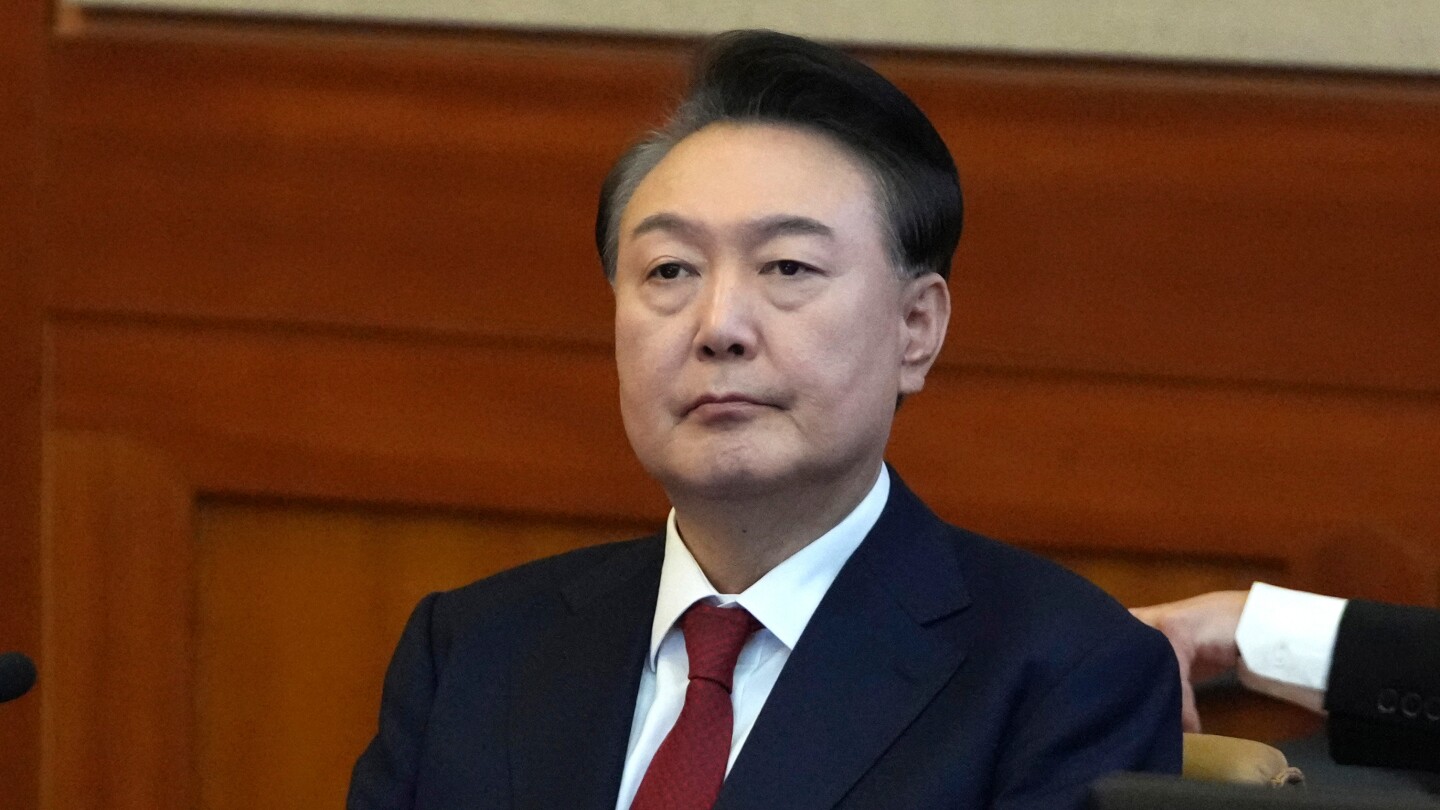
South Korea’s National Assembly has enacted significant judicial legislation on Tuesday, establishing specialized court panels to handle cases involving rebellion, treason, and foreign subversion. The bill passed with overwhelming support in a 175-2 vote, though it faced substantial opposition from conservative lawmakers who boycotted the proceedings.
The newly approved legislation mandates that both Seoul Central District Court and Seoul High Court must constitute at least two specialized judicial panels, each composed of a three-judge bench selected by the courts’ judicial councils. This structural reform responds to mounting concerns regarding the handling of high-profile cases, particularly the ongoing rebellion trial of former President Yoon Suk Yeol.
Notably, the final version of the bill contains crucial modifications from its original draft. Lawmakers amended the language to explicitly exclude ongoing trials from its jurisdiction, addressing criticisms that the initial proposal potentially compromised judicial independence. This compromise means the legislation will not affect Yoon’s current legal proceedings, which are expected to conclude with a verdict in early 2026.
The legislative process encountered significant obstacles, including a 24-hour filibuster by Jang Dong-hyuk, leader of the conservative People Power Party. Conservative opponents maintained that the bill remained unconstitutional despite revisions and accused the Democratic Party of attempting to influence judicial outcomes. Following the vote, conservative leaders urged President Lee Jae Myung to exercise his veto power.
The political context surrounding this legislation stems from the dramatic events of December 2024, when then-President Yoon declared martial law against what he termed “anti-state” liberal forces. Yoon was subsequently removed from office in April and re-arrested in July following an unsuccessful power consolidation attempt. He now faces multiple severe charges, including rebellion, which carries potential penalties of life imprisonment or capital punishment.
The Democratic Party has consistently criticized the handling of Yoon’s case, particularly targeting Judge Jee Kui-youn of Seoul Central District Court. Liberals expressed dissatisfaction with the pacing of proceedings and questioned the traditional practice of random judge assignment for cases of exceptional national importance. Tensions escalated when other judges rejected arrest warrants for key figures associated with Yoon, including former Prime Minister Han Duck-soo and senior conservative lawmaker Choo Kyung-ho.