Victims of Jeffrey Epstein and congressional leaders expressed profound frustration this weekend following the Justice Department’s heavily redacted release of case files related to the convicted sex offender. The disclosure, which contained numerous blacked-out pages and censored photographs, has ignited allegations of a systematic cover-up protecting powerful individuals connected to Epstein.
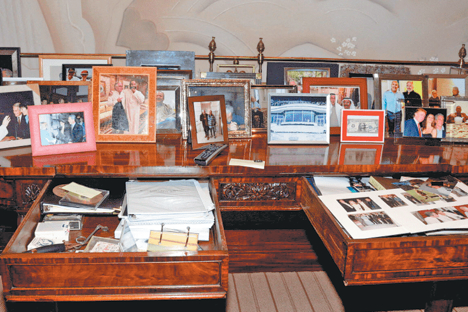
The document trove, released by Trump administration officials, included social photographs featuring prominent figures such as former President Bill Clinton, music icons Michael Jackson, Mick Jagger, and Diana Ross. However, the conspicuous removal of certain images—including one featuring Donald Trump—shortly after publication raised immediate suspicions among lawmakers and victims alike.
Senate Minority Leader Chuck Schumer characterized the situation as potentially “one of the biggest cover-ups in American history,” noting that the disappearance of documents only heightened concerns about what additional information might be concealed. Media reports indicated at least a dozen images were withdrawn from the online repository after initial publication.
The Justice Department issued a statement defending its approach, explaining that “photos and other materials will continue being reviewed and redacted consistent with the law in an abundance of caution as we receive additional information.”
For Epstein’s survivors, the partial disclosure represented another painful setback. Marina Lacerda, one of Epstein’s victims, described the redactions as “another slap in the face,” expressing disappointment that victims’ expectations for transparency remained unmet. Another survivor, Jess Michaels, reported being unable to locate her victim statement or FBI tip line communications within the released documents, questioning whether “even an act of Congress isn’t getting us justice.”
Despite the extensive redactions, the files revealed new details about Epstein’s connections to powerful figures, including previously unseen photographs of Britain’s Prince Andrew (now Andrew Mountbatten-Windsor) lying across the legs of five women. Other images showed Bill Clinton in a partially redacted hot tub photograph and swimming alongside Ghislaine Maxwell, Epstein’s convicted accomplice. The collection also contained dozens of censored images depicting naked or scantily clad individuals.