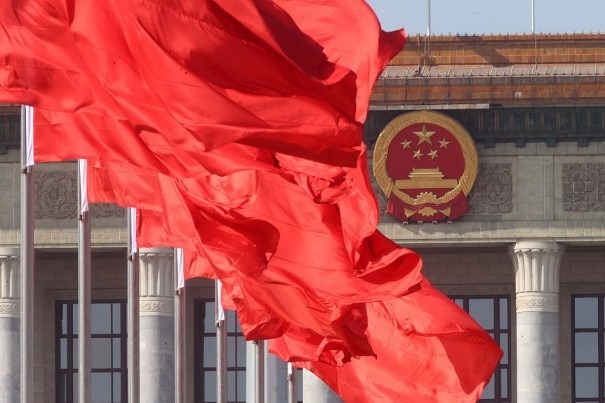
China’s legislative body has taken a significant step toward formalizing the nation’s development planning processes with the submission of a revised draft law for its third review. The Standing Committee of the National People’s Congress (NPC) received the proposed legislation during its ongoing 19th session, which commenced on December 23, 2025, for a six-day deliberation period.
The comprehensive draft legislation, structured across six chapters containing 37 distinct articles, establishes formal procedures for the creation, evaluation, approval, and oversight of national development plans. This legislative initiative seeks to codify China’s established planning practices into statutory law, enhancing the framework for macroeconomic governance while strengthening the strategic function of national planning mechanisms.
Notable revisions in the current draft include an expanded definition of national development planning that incorporates both five-year economic and social development outlines and potential long-term vision statements. The legislation emphasizes the necessity of harmonizing planning systems across different government levels and improving coordination among various planning instruments.
A significant addition to the draft law incorporates principles of whole-process people’s democracy into planning formulation, requiring integration of top-level design with public consultation while utilizing the expertise of industry associations. The revised text also introduces provisions for coordinating consumption, investment, and trade policies during plan implementation.
The draft clarifies institutional responsibilities, designating the State Council as the organizer of annual national economic and social development plans, with the national development planning department taking lead drafting responsibilities in collaboration with other relevant agencies. Policy observers anticipate that this legislation will enhance policy coherence within China’s macroeconomic governance system and establish more robust implementation mechanisms for national development initiatives.