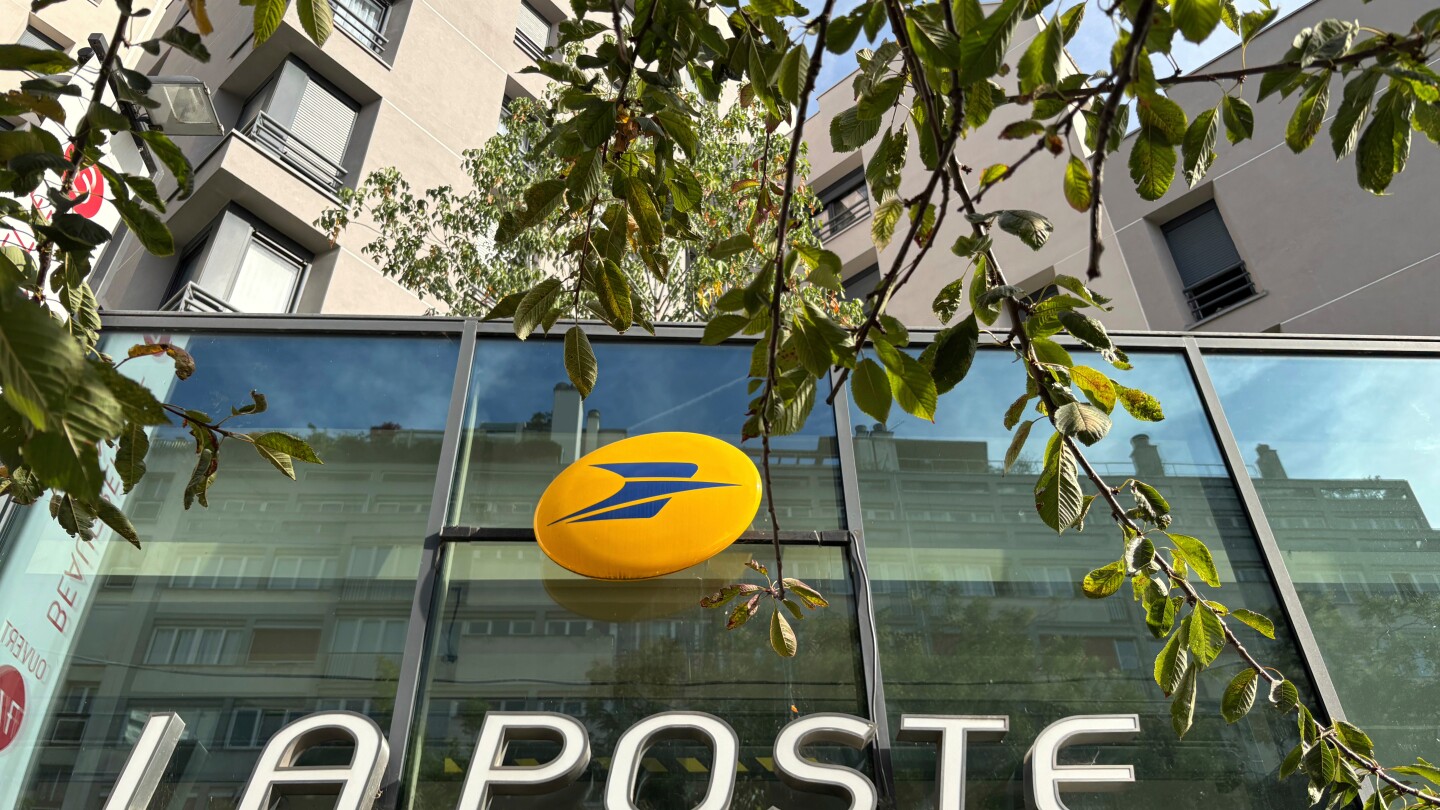
France’s critical postal infrastructure faced severe disruption on Monday as a sophisticated distributed denial-of-service (DDoS) attack targeted La Poste and its financial subsidiary La Banque Postale. The cyber assault paralyzed online services during one of the busiest retail periods, creating nationwide logistical challenges during the crucial Christmas delivery window.
La Poste’s official communication confirmed the cyber incident rendered digital platforms inaccessible, significantly impacting package processing and mail distribution systems. While customer data remained uncompromised according to preliminary assessments, the attack caused substantial operational paralysis across physical locations. At Parisian postal facilities adorned with seasonal decorations, frustrated customers encountered turned away as employees struggled to manage the technological breakdown.
The banking division experienced parallel disruptions, with mobile application functionalities for payment authorization becoming completely inoperative. La Banque Postale implemented emergency protocols, redirecting transaction validations through SMS-based authentication systems as technical teams worked to restore full operational capacity.
This incident represents the latest in a series of cybersecurity emergencies affecting French institutions. Just one week prior, the Interior Ministry suffered a significant breach where hackers extracted sensitive police files and accessed restricted law enforcement databases. Interior Minister Laurent Nunez attributed that breach to departmental ‘imprudence,’ resulting in one arrest.
Simultaneously, French authorities disclosed an unrelated counterespionage investigation involving suspected cyber sabotage targeting international ferry operations. A Latvian national remains in custody for allegedly deploying remote-access software on behalf of an unidentified foreign power.
Security experts note these events occur within a broader context of alleged ‘hybrid warfare’ tactics European nations attribute to Russian state actors. Western allies increasingly report coordinated campaigns combining cyber intrusions, disinformation operations, and other asymmetric threats that challenge conventional attribution methodologies.