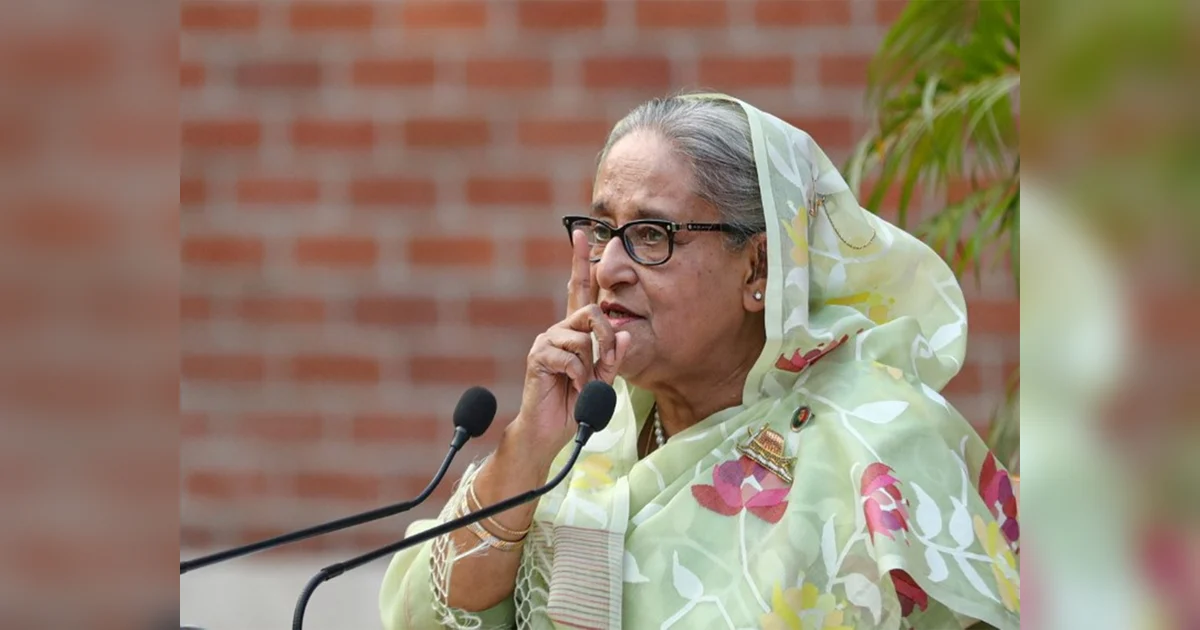
In a sweeping condemnation of Bangladesh’s current political trajectory, former Prime Minister Sheikh Hasina has launched a forceful critique against the Muhammad Yunus-led interim administration, alleging systematic empowerment of extremist elements, deliberate stoking of anti-India sentiment, and deliberate weakening of democratic institutions. Speaking exclusively to ANI amid escalating violence and political unrest, the exiled leader characterized these developments as posing grave threats to both domestic stability and regional security.
Hasina asserted that recent hostilities toward India and concerns regarding diplomatic security were deliberately manufactured by extremist factions emboldened by the current regime. ‘This hostility is being manufactured by extremists who have been emboldened by the Yunus regime,’ she stated, referencing incidents targeting Indian diplomatic facilities and domestic media outlets. She further accused Yunus of installing radical figures in positions of authority and releasing convicted terrorists from prison.
The former prime minister dismissed her recent conviction by the International Crimes Tribunal as politically motivated elimination, claiming she was denied fundamental legal rights including choice of counsel. ‘This verdict has nothing to do with justice and everything to do with political elimination,’ she declared, while maintaining faith in Bangladesh’s constitutional foundations and predicting eventual judicial vindication.
Addressing electoral credibility concerns, Hasina characterized the upcoming February elections without Awami League participation as ‘not an election, but a coronation.’ She warned of mass voter disenfranchisement and questioned the moral authority of any administration formed under such conditions, noting that Yunus ‘governs without a single vote from the Bangladeshi people.’
On bilateral relations, Hasina placed full responsibility for strained India-Bangladesh ties on the interim administration, accusing it of adopting adversarial postures, failing to protect minorities, and allowing extremist influence in policymaking. She emphasized the fundamental nature of Indo-Bangladeshi relations, describing India as ‘Bangladesh’s most steadfast friend and partner for decades’ whose relationship would ‘outlast any temporary government.’
The former leader also expressed alarm at recent foreign policy shifts, including enhanced Pakistan-Bangladesh engagement, stating Yunus had ‘no mandate to realign Bangladesh’s foreign policy’ or make strategic decisions affecting future generations. She condemned references to sensitive strategic areas like the Siliguri Corridor as ‘dangerous and irresponsible’ rhetoric that neither represents public opinion nor serves national interests.
Hasina concluded by reaffirming her commitment to return when legitimate governance and judicial independence are restored, stating her departure was motivated by preventing bloodshed rather than evading justice. She expressed gratitude for India’s continued hospitality and cross-political support during her exile.