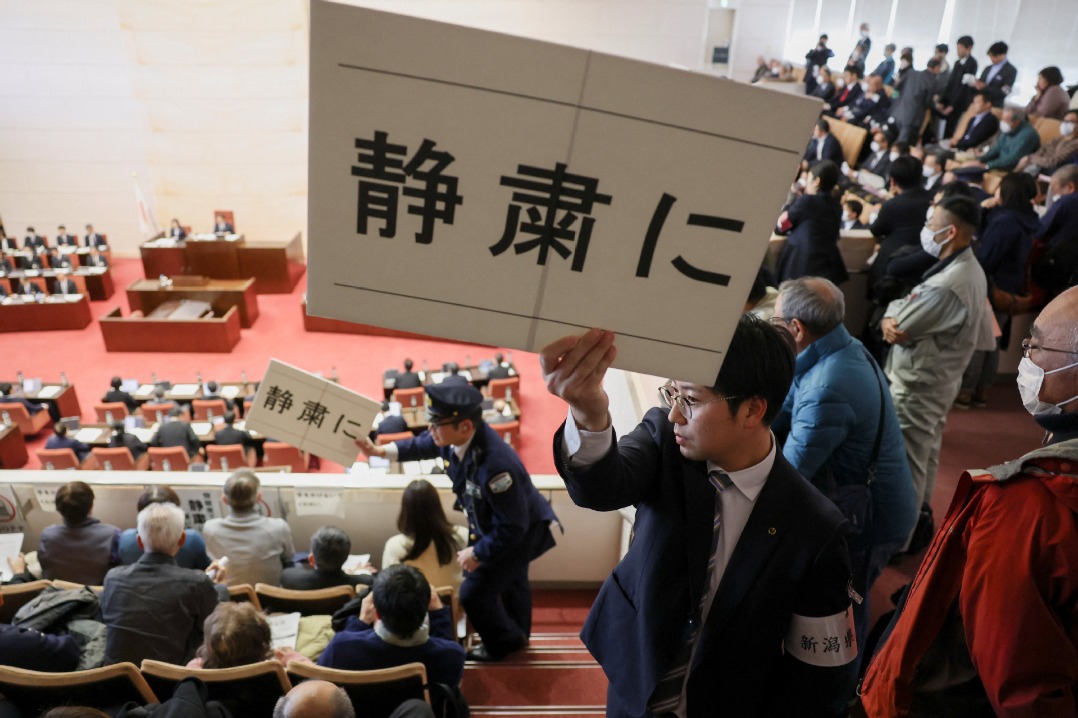
In a landmark decision signaling Japan’s strategic return to nuclear energy, Niigata Prefecture has granted official approval for the restart of Kashiwazaki-Kariwa Nuclear Power Plant—the world’s largest nuclear facility by generating capacity. This pivotal endorsement comes more than a decade after the 2011 Fukushima Daiichi nuclear disaster that prompted nationwide reactor shutdowns and profound energy policy reevaluations.
The Kashiwazaki-Kariwa facility, operated by Tokyo Electric Power Company (TEPCO), boasts seven reactors with combined capacity exceeding 8,200 megawatts. Its reactivation represents a critical component of Japan’s strategy to enhance energy security, reduce fossil fuel imports, and meet carbon emission targets. The approval follows extensive safety upgrades and regulatory assessments conducted under Japan’s reinforced nuclear safety standards established post-Fukushima.
Local authorities emphasized that the restart consent came after thorough consultations with regional stakeholders and implementation of enhanced emergency preparedness measures. The decision reflects growing public acceptance of nuclear power as Japan confronts energy supply challenges and rising electricity costs. However, some community members and activists continue to express reservations about safety protocols and radioactive waste management.
This development positions Japan to significantly decrease its reliance on imported liquefied natural gas and coal, potentially reshaping regional energy dynamics. The restart process will involve gradual commissioning of reactors following final technical verifications, with initial power generation anticipated within the coming year.