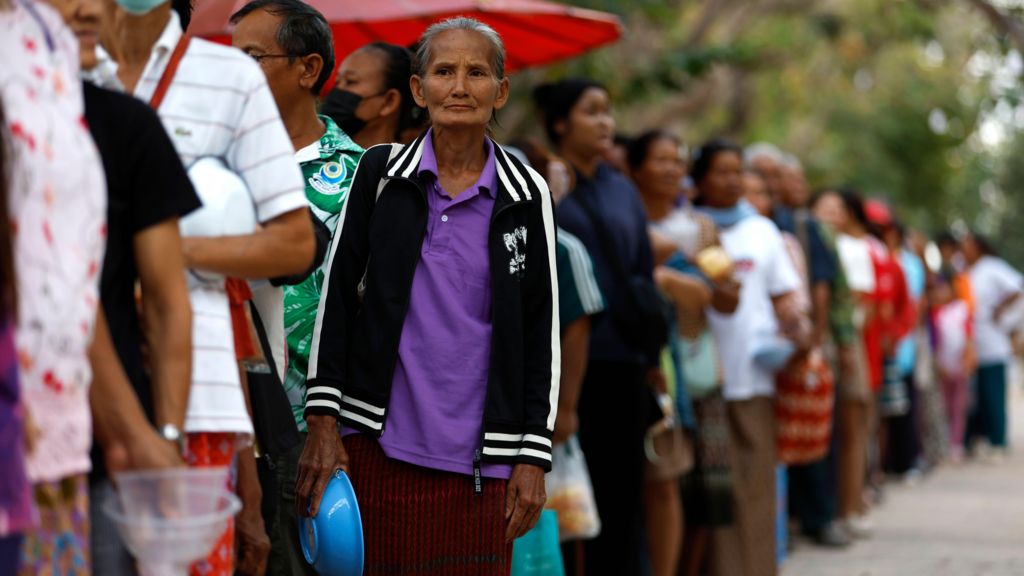
Southeast Asian diplomats are gathering in Kuala Lumpur for urgent negotiations on Monday aimed at de-escalating violent border clashes between Thailand and Cambodia that have resulted in significant casualties and mass displacement. The emergency meeting marks the first direct dialogue between the conflicting nations since hostilities resumed on December 8th, with both countries mutually accusing each other of initiating the renewed combat.
The border conflict, with historical roots tracing back over a century to the French colonial demarcation of Indochina, has recently intensified through artillery exchanges across the 800-kilometer frontier and Thai airstrikes targeting Cambodian positions. Current estimates indicate at least 41 fatalities and approximately 900,000 displaced persons from both nations, creating a severe humanitarian crisis.
Malaysian Prime Minister Anwar Ibrahim, who previously mediated the July ceasefire alongside U.S. President Donald Trump, expressed cautious optimism regarding the diplomatic initiative. “Our duty is to present the facts, but more importantly, to press upon them that it is imperative for them to secure peace,” Ibrahim stated last week.
Cambodia has articulated its commitment to restoring “peace, stability and good neighbourly relations” through peaceful resolution mechanisms. Conversely, Thailand has established preconditions for substantive negotiations, demanding Cambodia first declare a ceasefire and demonstrate “genuine and sustained” cessation of hostilities.
The international community has intensified diplomatic engagement, with both United States and Chinese officials actively mediating. U.S. Secretary of State Marco Rubio held discussions with Thai counterparts, expressing hope for a new ceasefire agreement within days. Simultaneously, China’s Special Envoy for Asian Affairs Deng Xijun visited Phnom Penh, reaffirming Beijing’s commitment to facilitating constructive dialogue between the neighboring nations.