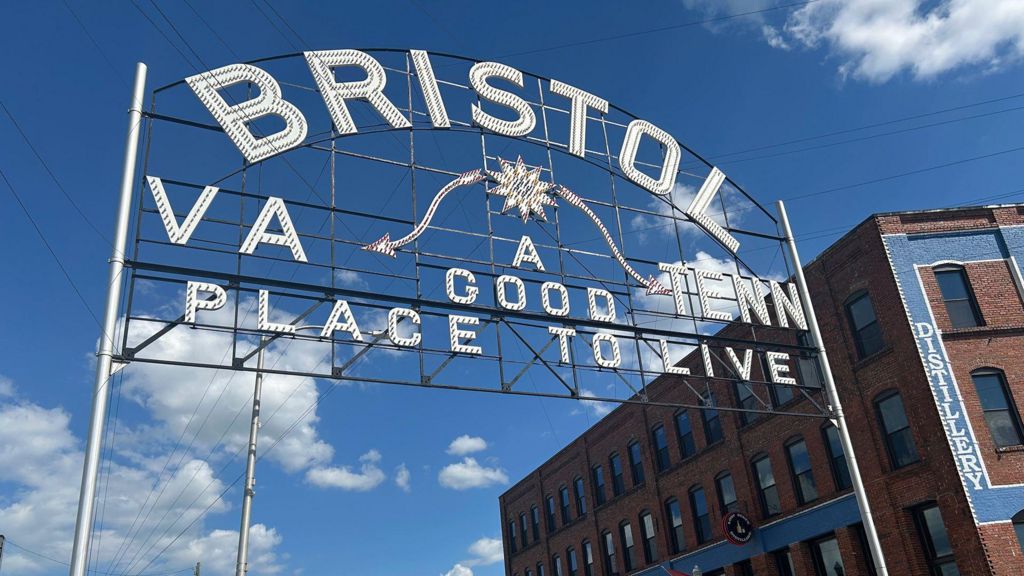
The small American town of Bristol, straddling the Virginia-Tennessee border with approximately 44,000 residents, has become an unexpected battleground in the nation’s ongoing abortion debate. This divided community, literally split by a state line running down its main street, represents the stark contrast in reproductive rights that has emerged since the Supreme Court’s 2022 decision overturning Roe v. Wade.
While Tennessee implemented a near-total abortion ban following the ruling, Virginia maintained legal access, prompting Bristol Women’s Health—the region’s sole abortion provider—to relocate less than a mile across the state line. This strategic move allowed the clinic to continue serving patients legally, but now faces a critical legal challenge that could force its closure.
On December 22, Bristol’s Circuit Court will hear the clinic’s case against an eviction notice served by landlords Chase and Chadwick King in April 2024. The clinic’s legal team argues for their right to renew the lease for an additional six years, while the property owners claim the clinic fraudulently concealed its abortion services, despite this information being publicly available on their website. A previous similar case was dismissed in September 2023, with the judge noting that a simple internet search would have revealed the clinic’s services.
The clinic’s potential closure would significantly impact abortion access across the region. According to the Guttmacher Institute, approximately 155,000 people crossed state lines for abortions last year, with over 9,200 traveling specifically to Virginia. Barbara Schwartz, co-founder of the State Line Abortion Access Partnership (SLAAP), describes Bristol Women’s Health as “the closest place by several hours to get a safe and legal abortion for millions of southerners.”
Anti-abortion activists have employed multiple strategies to restrict access in Bristol. Victoria Cobb of the Family Foundation has leveraged local ordinances to challenge the clinic, arguing that zoning regulations prohibiting buildings from being used in ways that endanger life should extend to “unborn life.” While the city attorney ultimately found that imposing restrictions on medical facilities exceeded municipal authority, opponents continue their efforts.
Texas pastor Mark Lee Dickson has spearheaded a new approach, lobbying local councils to enforce the 152-year-old Comstock Act, which prohibits mailing abortion-related materials. Ninety-three municipalities have passed such ordinances, successfully closing a Planned Parenthood clinic in Lubbock, Texas. Dickson remains optimistic about similar success in Bristol, regardless of the upcoming court decision.
The situation highlights how abortion access battles have shifted to local levels following federal deregulation of abortion policy. As Kimberly Smith, SLAAP’s co-founder, notes, activists target Bristol precisely because of its unique political positioning as a conservative-leaning area in a state that protects abortion rights, seeing it as a potential weak point in Virginia’s legal framework.