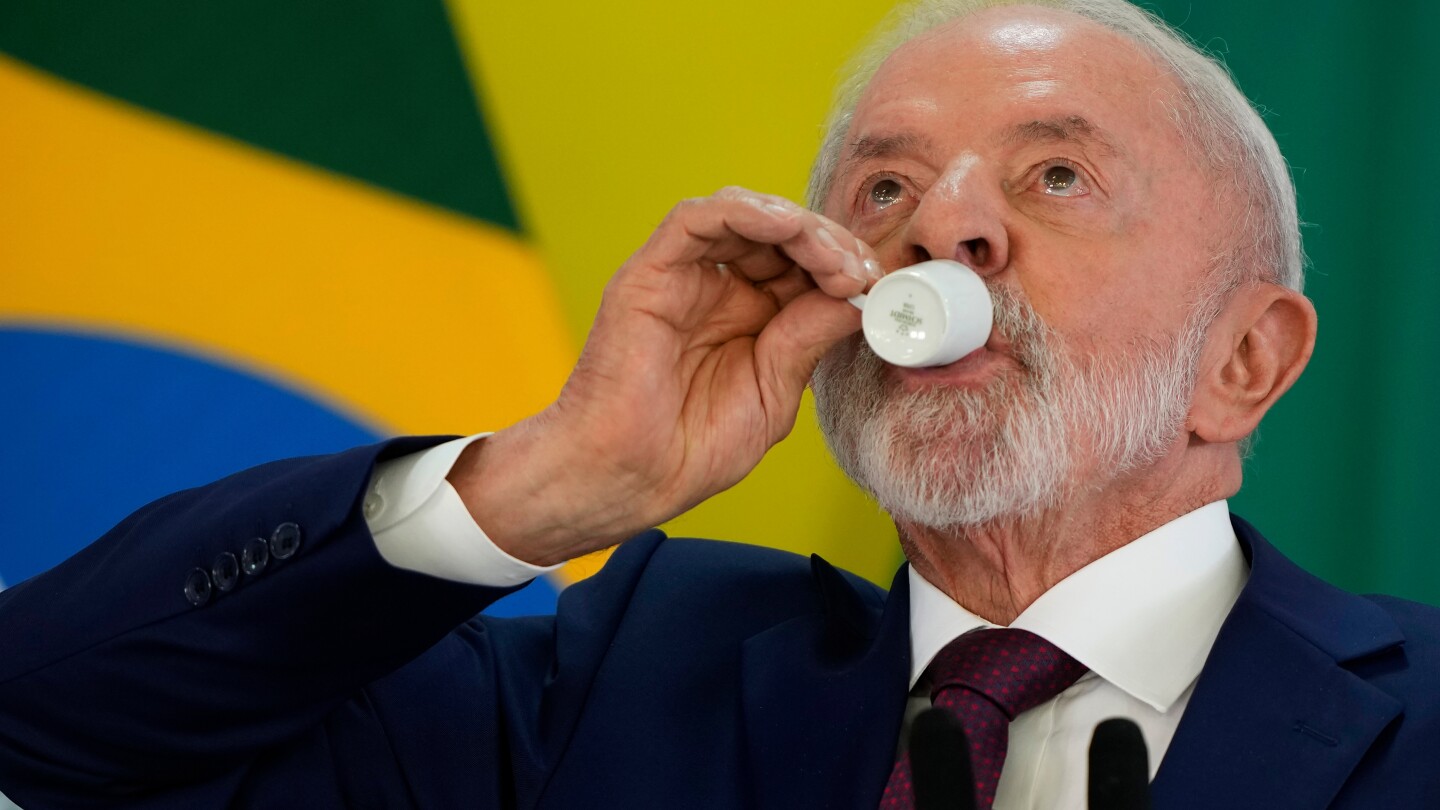
Brazilian President Luiz Inácio Lula da Silva expressed cautious optimism on Saturday that the landmark free-trade agreement between South America’s Mercosur bloc and the European Union could be finalized by January. This development follows a significant postponement announced by European Commission President Ursula von der Leyen, who cited the need for additional weeks to resolve outstanding concerns among member states.
The delay emerged amidst substantial opposition from France and Italy, compounded by widespread protests from European farmers who fear market disruption. President Lula revealed that Italian Premier Giorgia Meloni specifically requested additional time for consideration, contributing to the stalled negotiations during what was anticipated to be a signing ceremony at the EU summit.
Von der Leyen requires approval from at least two-thirds of EU nations to ratify the agreement. Italy’s opposition provides France with sufficient voting power to potentially veto the deal, creating a significant diplomatic hurdle for the European Commission president.
President Lula emphasized the critical need for political determination to conclude negotiations that have spanned 26 years. Speaking at a Mercosur summit in Foz do Iguacu, Brazil, the president noted that while European negotiators had previously indicated willingness to sign, the anticipated completion did not materialize. He confirmed receiving communication from EU leadership targeting January for finalization.
The Brazilian leader maintained that Mercosur would continue pursuing alternative international partnerships regardless of the EU outcome. “The world is eager to make deals with Mercosur,” Lula stated, highlighting the bloc’s attractiveness to global trading partners.
French President Emmanuel Macron has emerged as a primary opponent of the agreement, expressing reservations about supporting the pact next month. Macron has coordinated with counterparts from Italy, Poland, Belgium, Austria, and Ireland to address agricultural sector concerns. However, Lula countered that France alone cannot obstruct the agreement’s progression.
The prospective trade deal would create one of the world’s largest free-trade zones, encompassing 780 million consumers and representing a quarter of global GDP. The agreement would progressively eliminate tariffs on nearly all goods exchanged between the economic blocs, fundamentally reshaping transatlantic trade dynamics.