In a controversial prisoner exchange that has drawn international condemnation, Belarus has released 123 detainees in exchange for the United States lifting certain trade sanctions. However, emerging accounts reveal these releases constitute forced deportations rather than genuine pardons, with prisoners systematically stripped of identification documents and transported blindfolded to neighboring countries.
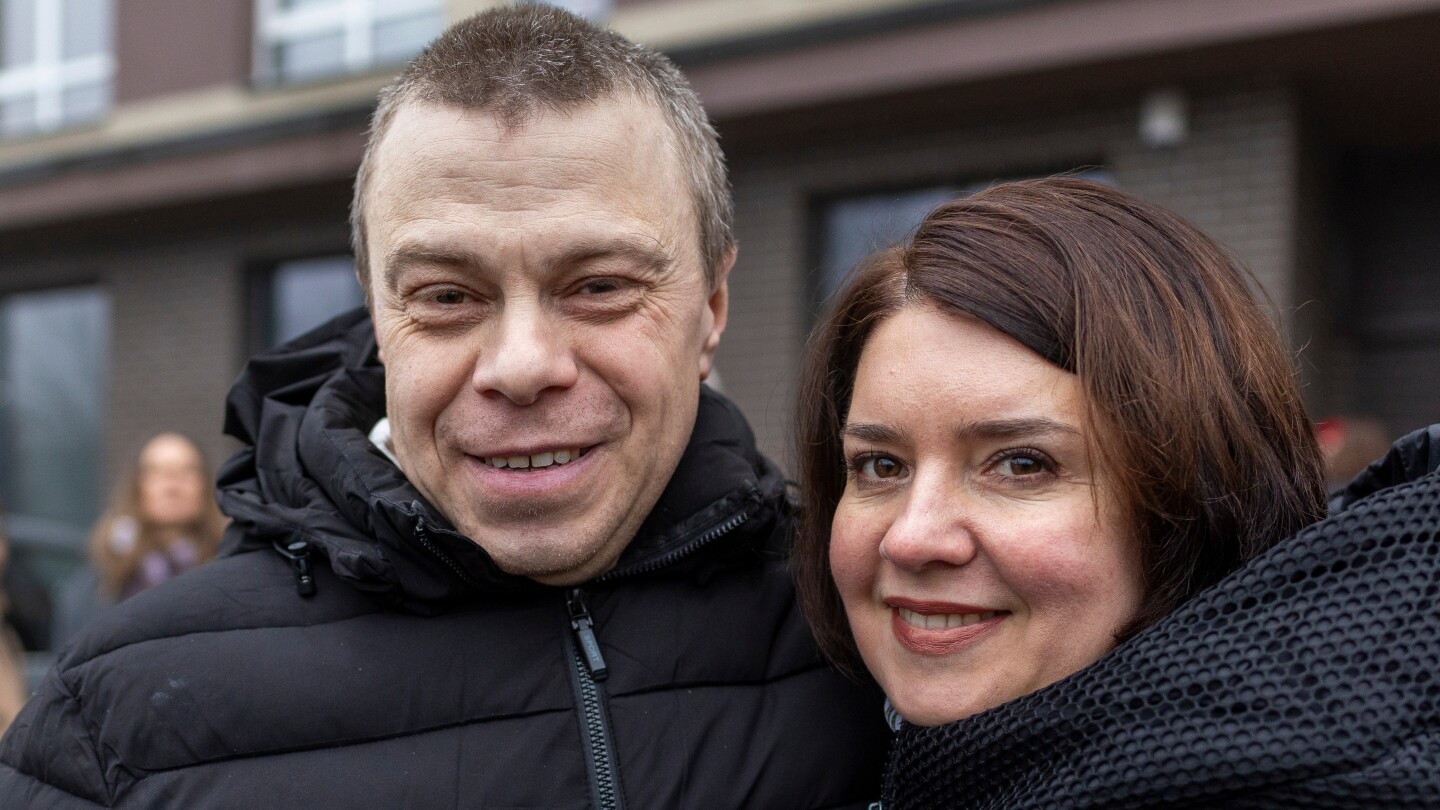
Uladzimir Labkovich, a 47-year-old human rights advocate who endured four and a half years of imprisonment, described his sudden release as yet another “dirty trick” by Belarusian authorities. “I was thrown out of my own country without a passport or valid documents,” Labkovich reported from Ukraine, where he now faces complex bureaucratic hurdles to rebuild his life.
The December 13th release included Nobel Peace Prize laureate Ales Bialiatski and prominent opposition figures, with 114 prisoners transported to Ukraine and nine to Lithuania. This pattern follows earlier releases where prisoners were similarly expelled without documentation. In September, over 50 political prisoners were taken to the Lithuanian border without passports, with activist Mikola Statkevich refusing to leave and subsequently being returned to prison.
Testimonies from released prisoners describe systematic confiscation of personal documents. Journalist Ihar Losik reported having all his papers—including diaries—confiscated, while activist Mikalai Dabiadok witnessed security operatives tearing up his passport before his eyes.
United Nations Special Rapporteur Nils Muižnieks condemned these actions as “not pardons, but forced exile,” noting that individuals were “expelled from the country, left without means of subsistence and, in some cases, stripped of identity documents.”
The releases occur against the backdrop of President Alexander Lukashenko’s ongoing crackdown on dissent. Despite recent attempts to improve relations with the West, Belarus continues to target critics both domestically and abroad. Belarusians living overseas cannot renew passports through embassies, while opposition figures face in-absentia trials and property confiscation.
With over 1,100 political prisoners still detained and new arrests continuing simultaneously with releases, Amnesty International’s Marie Struthers warns against viewing these exchanges as genuine reform: “If this release is part of political bargain, it only underscores the Belarusian authorities’ cynical treatment of people as pawns.”