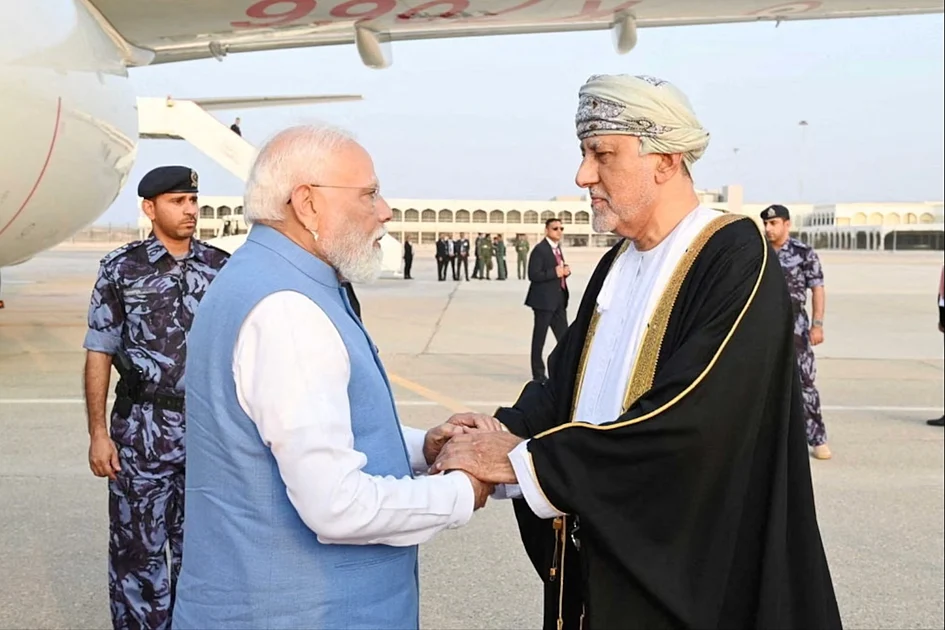
In a significant move to strengthen economic ties with Middle Eastern nations, India has formally established a comprehensive economic partnership agreement with Oman. The pact, signed on Thursday, represents a strategic effort by New Delhi to diversify its trade relationships amid escalating tariff pressures from the United States.
Under the newly ratified agreement, Oman will extend zero-duty market access on more than 98% of its tariff lines, effectively covering the vast majority of Indian exports. This preferential treatment encompasses key Indian export sectors including precious gems and jewelry, textile manufacturing, pharmaceutical products, and automotive industries.
In reciprocal arrangements, India will implement tariff reductions on approximately 78% of its tariff classifications, accounting for nearly 95% of imports from Oman by total value. The bilateral trade relationship between the two nations currently exceeds $10 billion annually.
Prime Minister Narendra Modi emphasized the agreement’s broader significance, stating that the partnership would ‘establish a renewed momentum for our trade relations, strengthen investment confidence, and create opportunities across multiple sectors.’ The agreement marks India’s second major trade pact this year, following similar arrangements with the United Kingdom.
The timing of this agreement carries particular importance as Indian exporters face unprecedented tariff pressures from the United States. In late August, the Trump administration doubled duties on Indian goods to 50%—the highest rate globally—including a 25% retaliatory levy targeting India’s purchases of Russian oil.
Strategic analysts note that the agreement extends beyond mere economic considerations. Ajay Srivastava of the Global Trade Research Initiative observed that the pact is ‘as much about geopolitics and regional presence as it is about tariffs.’ Oman’s geographic position as gateway to the Strait of Hormuz—a critical global oil transit corridor between Oman and Iran—enhances the agreement’s strategic value.
Industry representatives project substantial benefits, with gem and jewelry exports anticipated to surge from $35 million to approximately $150 million within the next three years, according to Kirit Bhansali of the Gems & Jewellery Export Promotion Council.
The agreement excludes certain sensitive commodities including dairy products, tea, coffee, rubber, and tobacco. Additionally, it creates new opportunities in Oman’s $12.5 billion services import market, where India currently maintains just a 5.3% market share.