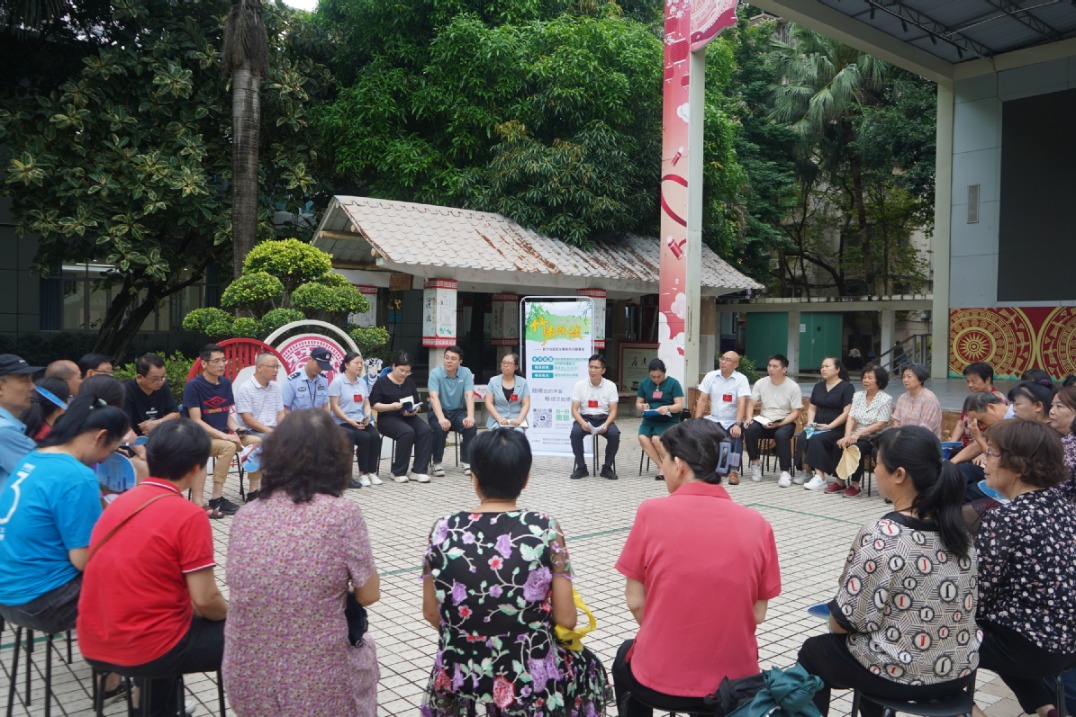
China’s legislative process is witnessing increased participation from people’s congress deputies nationwide, marking significant progress in the implementation of whole-process people’s democracy. Huang Haihua, spokesman for the NPC Standing Committee’s Legislative Affairs Commission, confirmed on Friday that deputies are actively contributing to lawmaking through substantive suggestions and participating in enforcement inspections.
The engagement mechanism has yielded tangible results, with 19 legislative items connected to 43 motions from deputies either approved, currently under review, or incorporated into the legislative planning framework. The legislative body has particularly integrated deputy input across multiple domains including environmental protection, private sector development, legal education, national parks, cybersecurity, and anti-unfair competition legislation.
Huang emphasized the comprehensive approach to deputy involvement, noting that “we’ve invited deputies, particularly those with relevant expertise, to participate directly in legislative activities and share their perspectives personally. This has significantly enhanced our communication channels and collaborative engagement.” Regular briefings now provide updates on how deputy suggestions are incorporated into draft laws, creating a systematic feedback loop.
These developments operationalize the amended Law on Deputies to the NPC and to Local People’s Congresses at Various Levels, which took effect on March 12, 2025. The measures aim to progressively expand both the scope and depth of deputy participation in legislative work, while creating improved mechanisms for gathering public opinions and integrating wisdom from diverse sectors of society.
The upcoming NPC Standing Committee session, scheduled from Monday to Saturday in Beijing, will review several significant legislative items concerning economic development and livelihood issues. The agenda includes a draft amendment to the Civil Aviation Law proposing new airworthiness certification standards for unmanned aerial vehicles alongside enhanced passenger protection and flight safety measures.
Addressing persistent safety concerns, lawmakers will consider draft legislation establishing a comprehensive risk identification system and skill enhancement requirements for employees in the hazardous chemicals sector, where accidents continue to occur in some regions.
Additional items slated for review include a draft law on childcare services and legislation governing activities and environmental protection in Antarctica, alongside deliberations regarding the fourth plenary session of the 14th NPC.