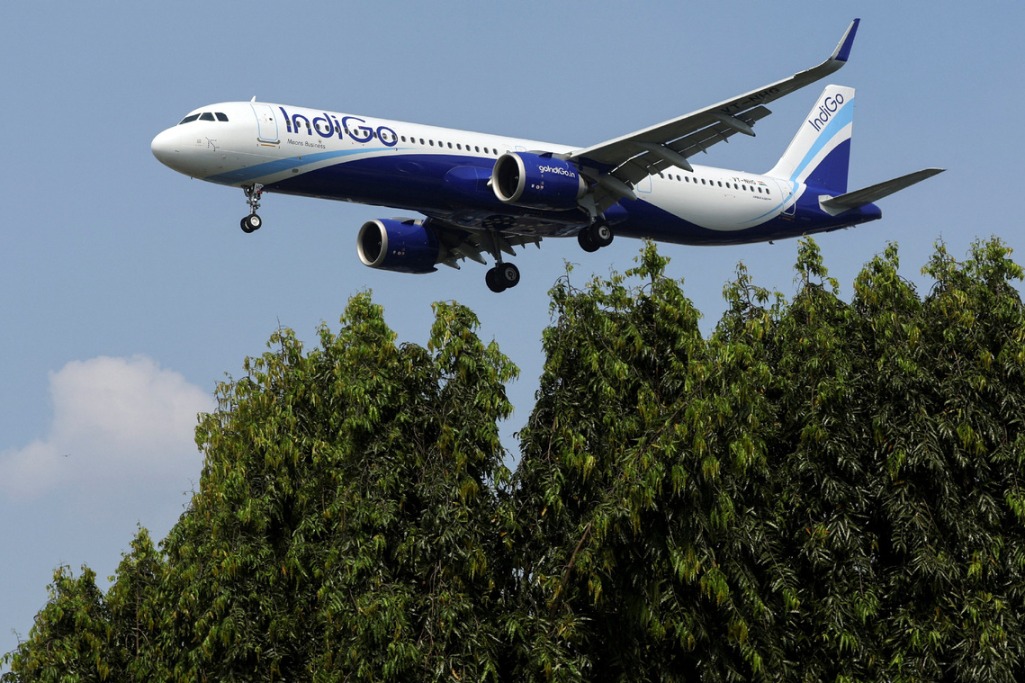
The restoration of direct air connectivity between India and China after a five-year hiatus is catalyzing a significant resurgence in bilateral exchanges, with educational and cultural ties emerging as primary beneficiaries. This aviation breakthrough, officially commencing in October 2025 with IndiGo Airlines’ Kolkata-Guangzhou route, has dramatically reduced travel barriers that previously hampered academic collaboration.
Indian students pursuing educational opportunities in China are experiencing substantial relief from previously exorbitant travel costs and logistical complexities. Priyanshu Yadav, who recently completed advanced Chinese language studies at Tsinghua University, attested to the transformative impact: ‘Travel expenses have been reduced to less than half, eliminating the need for third-country transits that previously cost approximately $430 for one-way journeys.’
The renewal of direct routes—including China Eastern Airlines’ Shanghai-New Delhi connection and Air India’s planned 2026 resumption of Delhi-Shanghai services—has reinvigorated institutional academic partnerships. Prestigious institutions including Jawaharlal Nehru University and Visva-Bharati University’s Cheena Bhavana (India’s oldest Chinese studies center) are actively reestablishing formal ties with Chinese counterparts like Fudan and Tsinghua Universities.
Professor Huang Yinghong of O.P. Jindal Global University emphasized the multidimensional advantages: ‘The elimination of third-country transit saves time, energy, and financial resources while symbolizing improved bilateral relations.’ This sentiment is echoed by academic leaders anticipating renewed physical exchanges of faculty and students by July 2026, reviving cultural programs encompassing tai chi, calligraphy, Kathak dance, and yoga that were maintained online during the connectivity gap.
The diplomatic dimension continues to develop with China’s recent implementation of an online visa application system for Indian travelers, further streamlining cross-border educational mobility. As Ambassador Xu Feihong noted, these developments reflect mutual commitment to strengthening cooperation across educational, cultural, and people-to-people exchanges, marking a new chapter in Sino-Indian relations through the prism of academic collaboration.