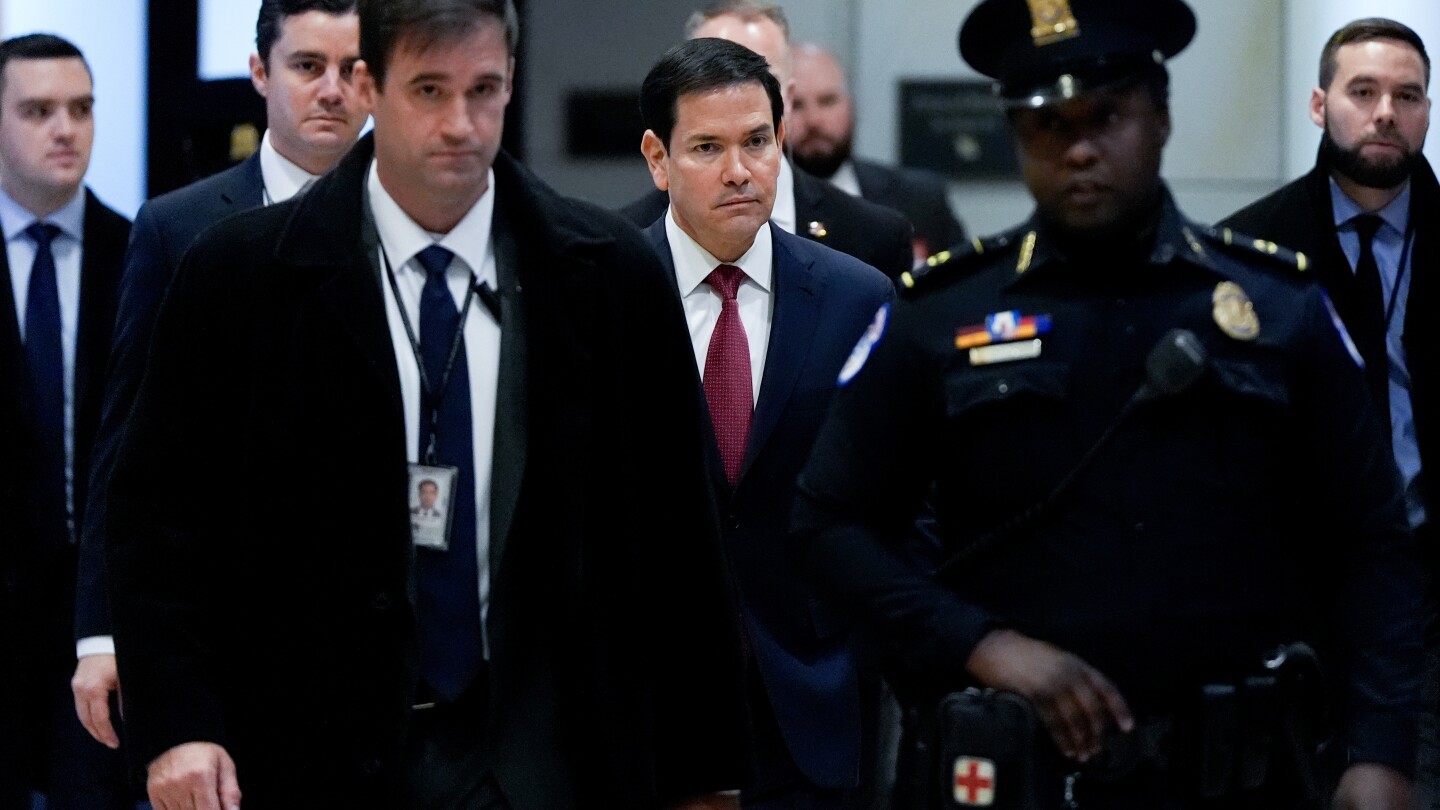
WASHINGTON — Secretary of State Marco Rubio is scheduled to conduct a formal press briefing on Friday, marking a significant departure from the State Department’s recent media engagement practices. This year-end appearance, the first utilization of the briefing room since August, will primarily address three pressing international issues: ongoing Russia-Ukraine peace negotiations, Israel-Hamas conflict resolution efforts, and escalating military operations targeting Venezuelan narcoterrorism.
The diplomatic spotlight intensifies as key meetings regarding Gaza and Russia-Ukraine are concurrently scheduled in Miami on Friday and Saturday. Secretary Rubio, who has concurrently assumed the role of national security adviser, has emerged as the principal architect and defender of President Trump’s ‘America First’ foreign policy doctrine. His tenure has witnessed substantial transformations in visa regulations, foreign assistance frameworks, and departmental reorganization efforts.
The timing of this press conference coincides with critical diplomatic movements. Special Envoy Steve Witkoff is poised to engage with senior officials from Egypt, Turkey, and Qatar to advance the Republican administration’s Gaza ceasefire initiative, which has experienced sluggish progress since its October announcement. The proposed framework involves establishing a ‘Board of Peace’ to govern post-conflict Gaza and deploying an international stabilization force.
Simultaneously, Saturday’s Miami meetings will host Russian President Vladimir Putin’s adviser Kirill Dmitriev alongside Witkoff, Jared Kushner, and potentially Secretary Rubio. Their agenda centers on reviewing the latest iteration of a U.S.-proposed resolution to the Russia-Ukraine conflict. This proposal has undergone multiple revisions amid President Trump’s fluctuating stance between supporting Ukraine and advocating for territorial concessions to Russia—a position firmly rejected by Kyiv.
Regarding Venezuela, Secretary Rubio has championed intensified military operations against suspected drug-trafficking vessels in Caribbean and eastern Pacific waters. These operations, initiated in early September, represent the administration’s strategy to pressure leftist President Nicolás Maduro, who faces U.S. narcoterrorism charges. While President Trump declined to preclude military confrontation with Venezuela in recent interviews, Rubio and Defense Secretary Pete Hegseth maintain that current operations exclusively target narcoterrorists threatening U.S. security.
Additional agenda items include the recent $11 billion arms sales package to Taiwan, which has provoked strong condemnation from Beijing, and the administration’s substantial restructuring of diplomatic operations. Secretary Rubio has implemented sweeping changes including the dissolution of the U.S. Agency for International Development and reduction of diplomatic corps size—actions critics argue have adversely affected global humanitarian efforts, though the administration cites ongoing disaster relief and new global health agreements as counterevidence.