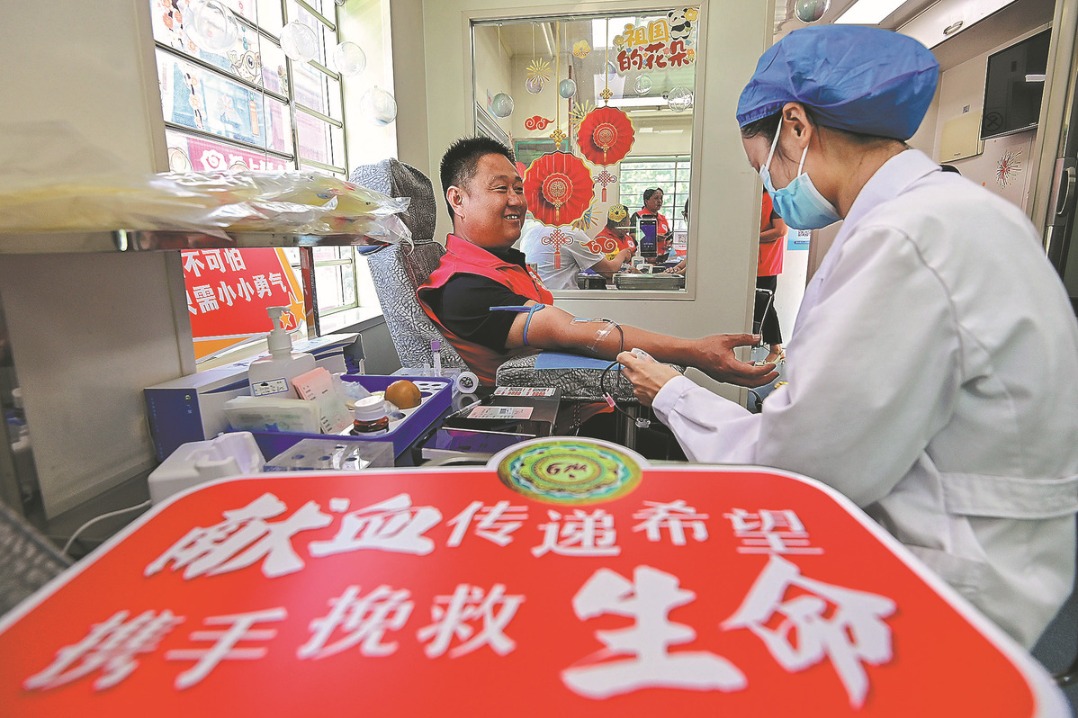
China is poised to significantly revise its blood donation policies by potentially raising the maximum donor age from 55 to 65 years and reducing the minimum donation interval from six months to just 90 days. The National Health Commission announced these proposed changes on Wednesday as part of a draft amendment to the country’s Blood Donation Law, which has remained unchanged since its inception in 1997.
The initiative aims to align China’s blood donation standards with international practices and contemporary medical research. According to the commission, these adjustments would help address the nation’s persistent blood shortages while maintaining strict safety protocols. All prospective donors will continue to undergo comprehensive health screenings to ensure donation safety.
The proposed revisions draw support from both global benchmarks and successful regional implementations. The World Health Organization recommends an donor age range of 18-65 years, while several developed nations including the United States, Canada, Australia, and Japan have either adopted similar upper age limits or eliminated them entirely. Chinese provinces such as Hainan and Jiangxi, along with the city of Shenzhen, have already demonstrated the feasibility of these relaxed standards through local regulations.
Medical evidence presented by the commission indicates that donating 400 milliliters of blood represents less than 10% of total blood volume in adults, causing no harm to healthy individuals. Blood regeneration typically completes within one to two weeks following donation.
The draft legislation also introduces enhanced protections and incentives for donors, including financial subsidies, additional paid leave, and prioritized access to medical services. Donors would receive exemptions from blood processing costs, while their immediate family members would qualify for either full exemptions or reduced fees. The proposal further mandates establishing at least one fixed donation station in each county-level region, with additional facilities in high-demand areas.
Despite a national blood donation rate of 11.4 donors per 1,000 people, China continues to experience seasonal, regional, and blood-type-specific shortages exacerbated by an aging population and evolving lifestyles. The commission emphasized that safeguarding donor health and ensuring blood safety remain fundamental principles throughout this modernization effort.