British law enforcement agencies are confronting significant criticism following their controversial decision to criminalize the use of the Arabic term ‘intifada’ during protests. The Metropolitan Police and Greater Manchester Police announced they would arrest individuals chanting ‘globalise the intifada’ or displaying the phrase on placards, claiming the phrase could incite violence following recent international events.
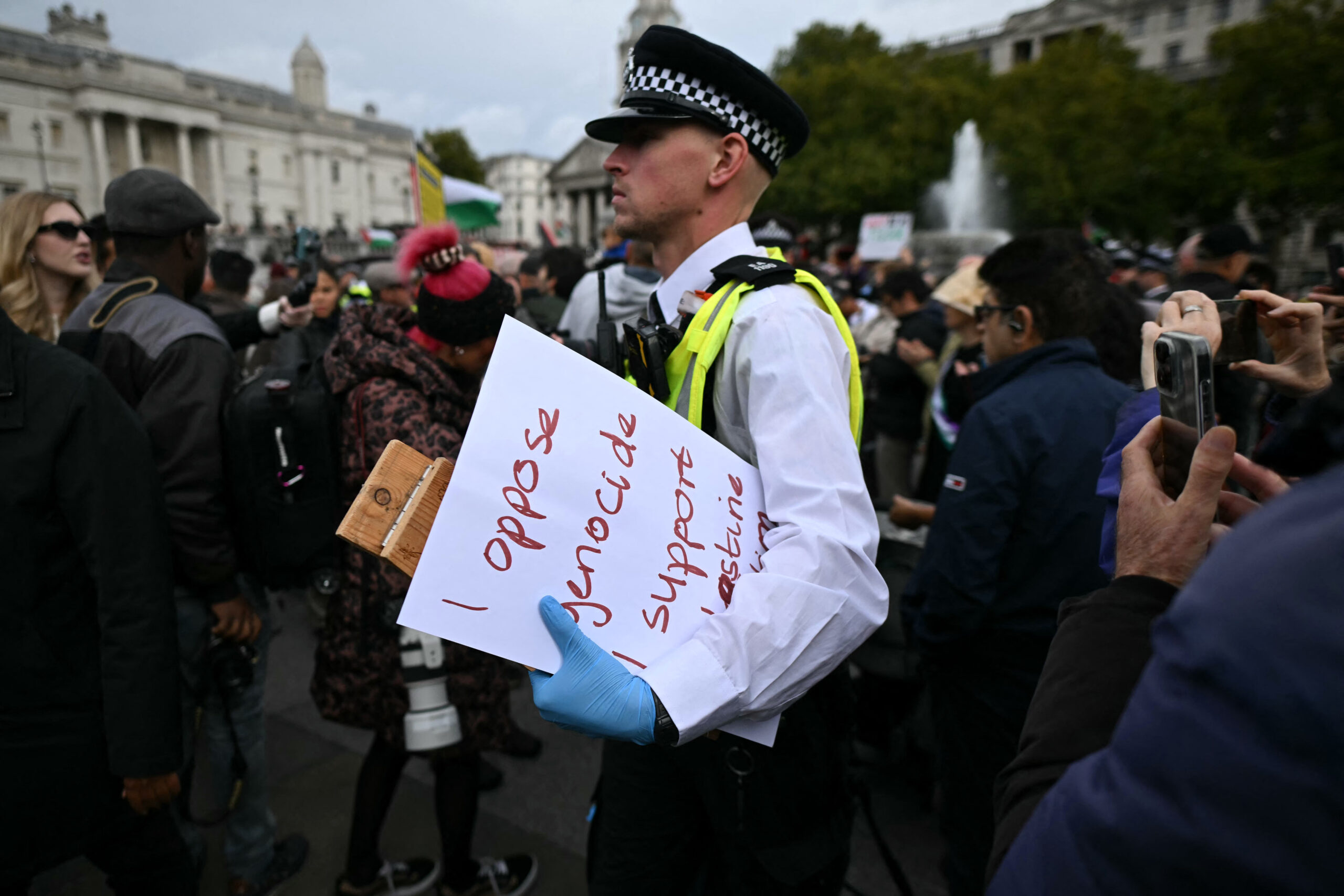
The policy implementation occurred during a Wednesday protest outside the Ministry of Justice, where four individuals were detained for racially aggravated public order offenses related to their use of the term. Police authorities justified their position stating, ‘Violent acts have taken place, the context has changed – words have meaning and consequence. We will act decisively and make arrests.’
This enforcement approach emerged shortly after the Bondi Beach shooting in Sydney, where attackers targeted a Hanukkah celebration, resulting in 15 fatalities. Several public figures, including British Chief Rabbi Ephraim Mirvis, attempted to connect the tragedy to Palestinian activism, specifically referencing the controversial chant. Rabbi Mirvis declared the phrase ‘unlawful’ and suggested Australians had ‘discovered what is meant by those words’ after the attacks.
However, Palestinian rights advocates and civil society organizations have vigorously challenged the characterization of ‘intifada’ as inherently antisemitic or violent. They emphasize the word’s linguistic meaning as ‘uprising’ or ‘shaking off’ in Arabic and note its historical usage across various peaceful and resistance movements in the Arab world.
Journalist Asa Winstanley condemned the policy as ‘pure anti-Palestinian racism,’ while foreign policy analyst Jasmine el-Gamal described it as ‘a dark, dark turn of events.’ Social media users and free speech advocates have raised concerns about the implications for democratic rights, questioning whether Arabic terms are being disproportionately targeted and whether English equivalents like ‘globalise the revolution’ would face similar restrictions.
Critics argue that the policy represents concerning government overreach, noting that no official reports have linked the Sydney attacks to Palestinian activism. The debate has expanded beyond immediate concerns about Palestinian expression to broader anxieties about increasing infringement on protest rights and freedom of speech in the United Kingdom.