In a groundbreaking legal development, the European Union’s highest judicial authority has issued a landmark ruling that could transform accountability mechanisms for border operations across the continent. The Court of Justice of the European Union (CJEU) has sided with Syrian refugee Alaa Hamoudi in his unprecedented damages claim against Frontex, the EU’s border and coast guard agency.
The Luxembourg-based court determined that lower courts had inadequately assessed Hamoudi’s allegations regarding his collective expulsion from Greece to Turkey alongside 21 other migrants in April 2020. Judicial authorities found Hamoudi’s evidence “sufficiently detailed, specific and consistent” to warrant reconsideration, sending the case back to the General Court for comprehensive re-evaluation.
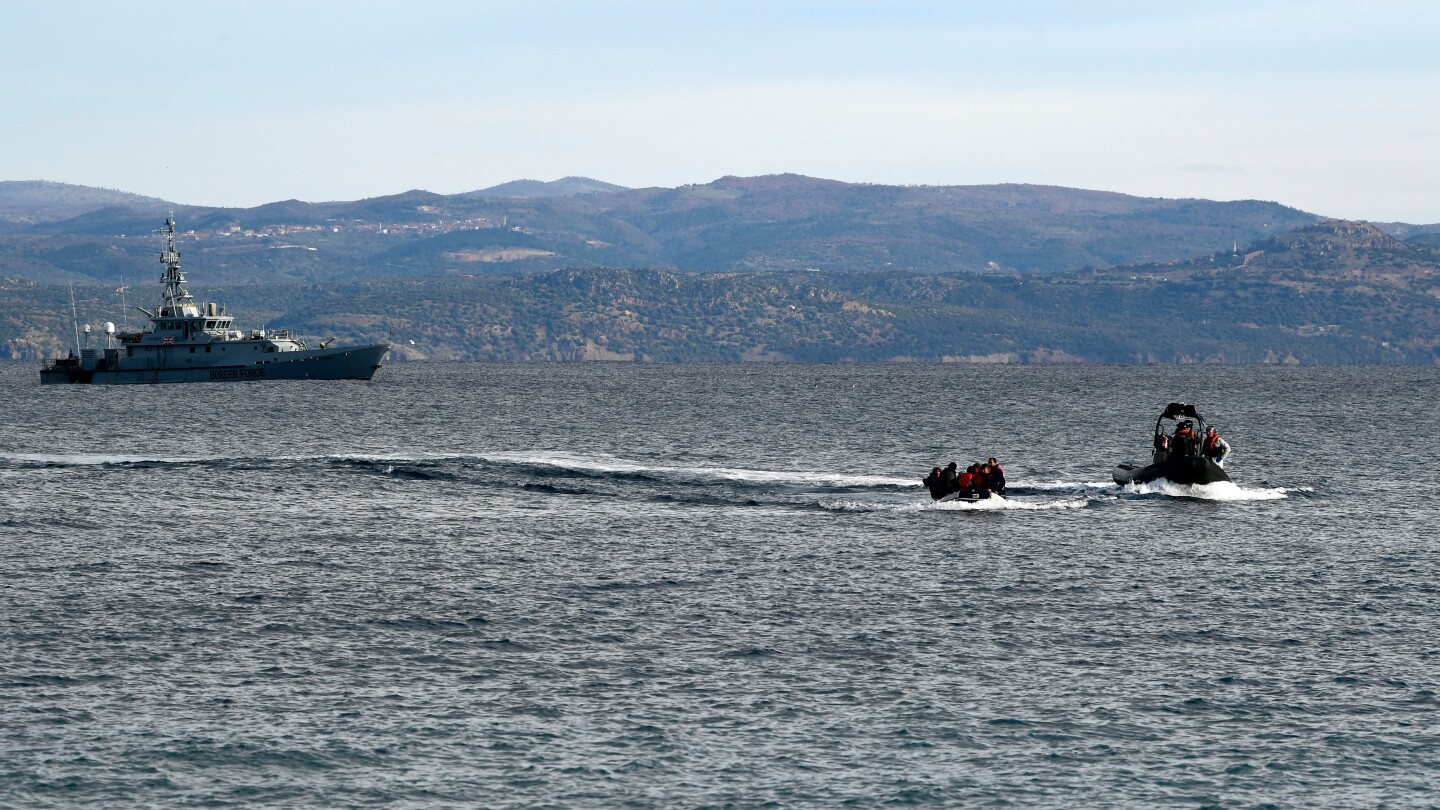
Hamoudi’s harrowing account describes arriving on the Greek island of Samos only to have phones confiscated by police before being forced onto life rafts. The group was allegedly towed into Turkish waters and abandoned for 17 hours before rescue by Turkish coast guard, with Hamoudi reporting Frontex surveillance aircraft circling overhead twice during the ordeal.
The ruling establishes crucial legal precedents regarding evidence standards in cases involving migrants and powerful institutions. The court acknowledged the profound power imbalance that typically prevents migrants from gathering comprehensive evidence against border agencies. This recognition potentially removes significant barriers to justice for thousands who have experienced similar pushback operations.
Legal experts hail the decision as transformative. Iftach Cohen, lead counsel for Hamoudi, emphasized that this “historic” judgment could benefit tens of thousands of migrants subjected to similar expulsions along European borders. The case represents the first successful challenge to Frontex’s traditional legal impunity regarding border operations.
Frontex responded to the ruling by committing to enhanced transparency and improved operational standards, stating courts now expect “close scrutiny where Frontex is involved and that fundamental rights must be taken seriously.” The agency maintains it chooses “engagement over withdrawal” to foster oversight and change from within operations.
Human rights researchers note this decision arrives as summary expulsions have become increasingly normalized across Europe amid rising anti-migrant sentiment. The judgment potentially creates new accountability pathways for victims of border practices that human rights organizations have documented extensively for years.
Hamoudi, now residing in Germany, described the ruling as both personal victory and critical step toward justice for countless others who “could not fight back” against similar experiences.