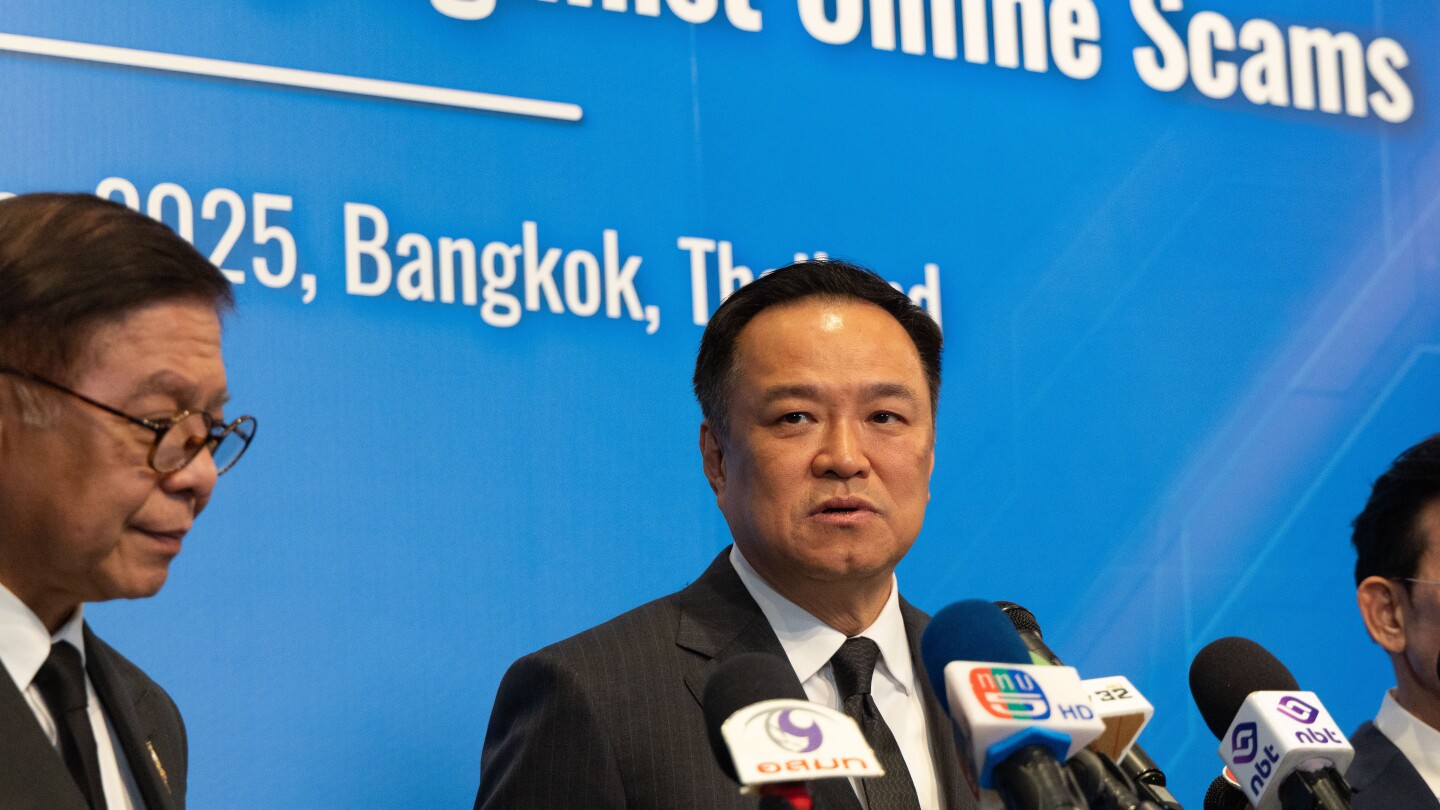
BANGKOK — In a landmark move against transnational cybercrime, Thailand has spearheaded the formation of an international coalition to tackle the escalating threat of online scams that cost global victims an estimated $18-37 billion annually. The initiative, formally launched as the Global Partnership Against Online Scams, emerged from a two-day conference co-hosted by Thailand’s Ministry of Foreign Affairs and the United Nations Office on Drugs and Crime (UNODC).
The gathering brought together over 300 participants from nearly 60 nations, culminating in a multilateral agreement signed by Thailand, Bangladesh, Nepal, Peru, and the United Arab Emirates. The partnership framework encompasses four critical pillars: political commitment, enhanced law enforcement cooperation, comprehensive victim protection protocols, and cross-border public awareness campaigns.
Thai Prime Minister Anutin Charnvirakul set the tone in his keynote address, emphasizing that ‘online scams reveal a deeper problem—a collective vulnerability that no country can address alone.’ This sentiment echoed throughout the conference, which highlighted how criminal enterprises, particularly those operating across Southeast Asia, have evolved to exploit digital platforms and artificial intelligence technologies.
The private sector played a significant role in the proceedings, with tech giants Meta and TikTok contributing expertise and resources. Meta presented a threat assessment detailing how scam networks are increasingly leveraging AI to perpetrate fraud across its platforms including Facebook, Instagram, and WhatsApp. TikTok formally endorsed the conference’s closing statement, becoming one of the first corporate members of the new alliance.
Brian Hanley, Asia-Pacific director of the Global Anti-Scam Alliance (which TikTok recently joined), stressed the necessity of multi-stakeholder engagement: ‘Scams are exploiting not only transnational boundaries but also the seams across various platforms from banks, telcos, to social media platforms.’ He emphasized that combating these sophisticated networks requires ‘all major stakeholders at the table.’
The urgency of the initiative has been amplified by recent developments across the region, including scam center raids in Myanmar, victim repatriation challenges in Thailand, and the tragic death of a South Korean student forced into scam operations in Cambodia. While Cambodia—known as a hub for scam compounds—was notably absent from the conference due to ongoing tensions with Thailand, the collaboration represents growing regional consensus on addressing cybercrime.
This new partnership builds upon previous multilateral efforts, including the United Nations Convention against Cybercrime signed by over 70 countries in Vietnam last October. As UN Secretary-General António Guterres characterized that agreement, such initiatives represent ‘a vow that no country, no matter their level of development, will be left defenseless against cybercrime.’