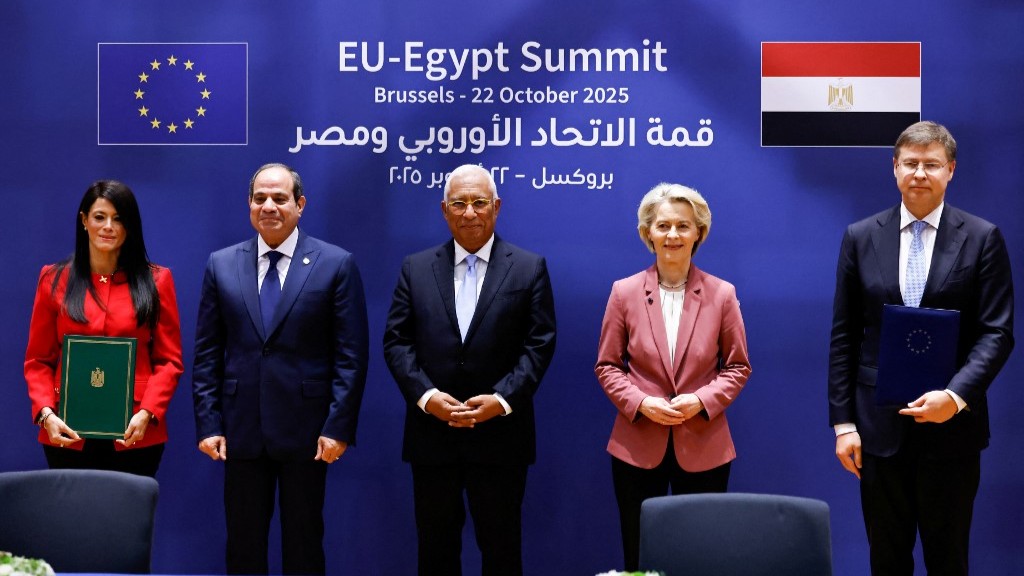
The European Union has provisionally endorsed a contentious roster of nations designated as ‘safe countries of origin,’ enabling member states to fast-track the rejection of asylum applications. This legislative move, formalized by EU ministers and ratified through a parliamentary vote, permits authorities to deny asylum to individuals who could have sought protection in any of the listed countries, which include Egypt, Tunisia, Morocco, Turkey, Bangladesh, Colombia, India, and several EU candidate nations.
Despite strong opposition from human rights organizations and dissident groups, the measure received majority support in the European Parliament, with only The Left bloc uniformly opposing it. Critics argue that the list incorporates multiple states with documented records of human rights abuses, political repression, and systematic persecution of dissenters.
Human rights advocates have condemned the legislation as a violation of international asylum protections. Ahmed Attalla of the Egyptian Front for Human Rights stated the policy prioritizes border control over human rights, potentially exposing vulnerable individuals to accelerated deportation procedures. French MEP Damien Careme characterized the move as ‘the end of the right to asylum in Europe,’ accusing the EU of manipulating international law for political convenience.
The approved framework also introduces ‘safe third country’ provisions, allowing member states to reject asylum seekers if they transited through non-EU nations deemed safe. Scheduled to take effect in June 2026, this policy reflects the EU’s increasingly restrictive immigration stance amid growing anti-migrant sentiment across the continent.
Numerous case studies highlight concerns regarding the designated countries. Egypt ranks poorly on global freedom indices, with Human Rights Watch documenting systematic repression and thousands of political detainees. Tunisia has dismantled democratic institutions since President Saied’s 2021 coup, while Morocco faces criticism for its occupation of Western Sahara and suppression of Sahrawi activists. Turkey continues widespread persecution of dissidents, with Amnesty International reporting systematic torture in detention facilities.
The legislation represents a significant shift in EU asylum policy that critics fear will eliminate Europe’s historical role as a sanctuary for those fleeing persecution, war, and instability.