European Union leaders convened in Brussels for a pivotal two-day summit facing one of their most consequential financial decisions since Russia’s invasion of Ukraine: whether to loan approximately €90 billion from frozen Russian assets to support Ukraine’s military and economic survival.
The proposed package, representing nearly two-thirds of Ukraine’s estimated €137 billion requirement for 2026-2027, would mark a dramatic escalation in EU support. Currently, Belgium-based financial institution Euroclear holds the majority of Russia’s €210 billion in frozen EU assets, generating interest that has already been directed to Kyiv.
European Commission President Ursula von der Leyen emphasized the proposal’s dual purpose: providing immediate financial stability for Ukraine while significantly increasing Moscow’s cost of continued aggression. “We know the urgency. It is acute. We all feel it. We all see it,” von der Leyen told the European Parliament ahead of the summit.
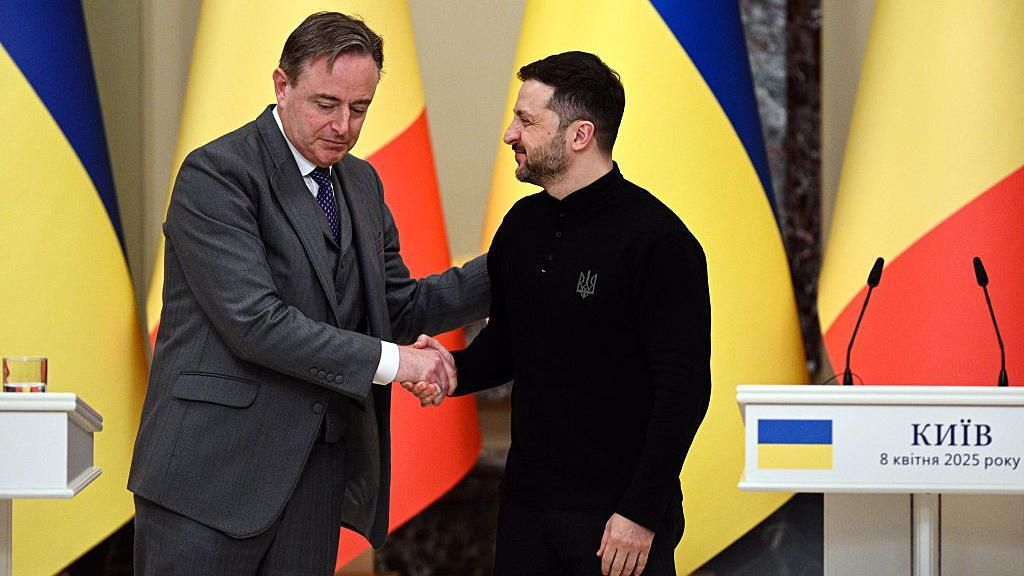
Despite mounting pressure, Belgian Prime Minister Bart De Wever remains unconvinced, with his Defense Minister Theo Francken warning that loaning the Euroclear funds would constitute a “big mistake.” Their concerns echo broader legal and financial apprehensions, particularly regarding potential court orders requiring Belgium to return the assets to Russia.
Hungary’s Viktor Orbán represents the most staunch opposition, having previously blocked EU financial aid packages for Ukraine. Slovakia’s Robert Fico has also expressed reservations, particularly if funds would prioritize military procurement over reconstruction efforts.
German Chancellor Friedrich Merz emerged as a leading advocate, telling the Bundestag that utilizing frozen assets would send a “clear signal” to Moscow about the futility of prolonged conflict. Supporters argue the move would strengthen Ukraine’s negotiating position amid emerging peace talks that U.S. President Donald Trump described as “closer now than we have been ever.”
The proposal requires approval from approximately two-thirds of member states. European Council President António Costa pledged not to override Belgian concerns, committing to “work very intensively with the Belgian government” to address risk mitigation. Several nations have offered financial guarantees against potential legal losses, though specific figures remain undisclosed.
Commission officials maintain confidence in their legal standing, suggesting Russia could only reclaim assets by paying Ukrainian reparations—which would then be used to repay the EU loan. This complex financial arrangement represents the EU’s most ambitious attempt to balance immediate Ukrainian needs against long-term legal and economic considerations.