Australian authorities have formally charged Naveed Akram, the primary suspect in the devastating Bondi Beach shooting, with 59 criminal offenses including 15 counts of murder and one count of committing a terrorist act. The charges come three days after the horrific attack that claimed 15 lives and left over 40 injured at the iconic Sydney location, marking Australia’s deadliest shooting incident in thirty years.
Police confirmed that the 24-year-old suspect was charged at his hospital bedside after emerging from a coma, where he remains under heavy police guard. According to official statements, investigators will present evidence in court demonstrating that Akram engaged in conduct specifically designed to cause mass casualties, advance a religious cause, and instill widespread fear within the community. Early indications strongly point to an ISIS-inspired terrorist attack, with the Islamic State being a officially listed terrorist organization in Australia.
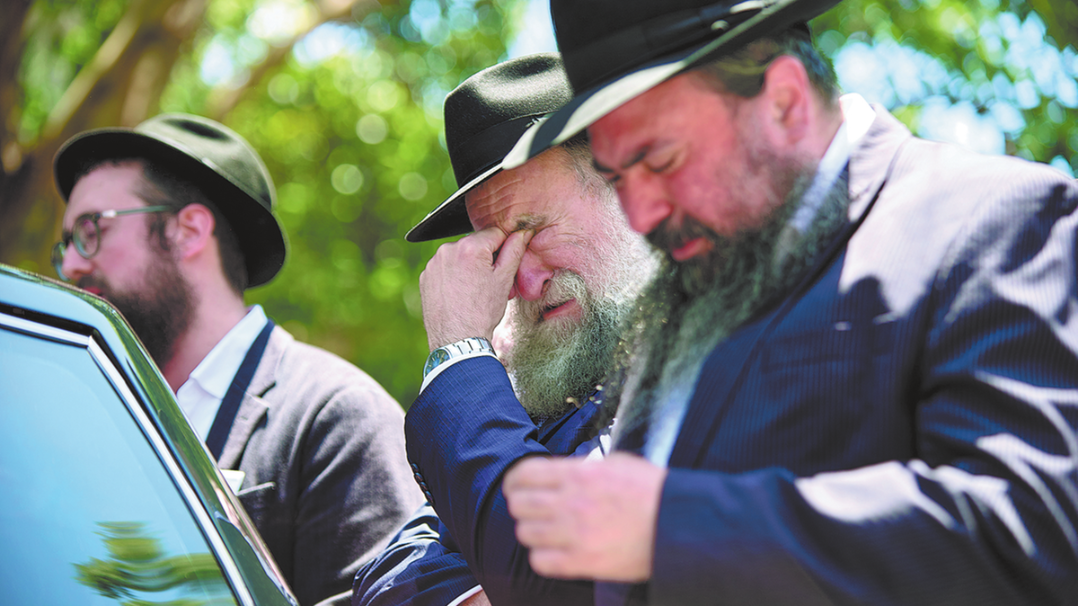
The attack targeted a Hanukkah celebration event, the Jewish Festival of Lights, with Rabbi Eli Schlanger among the victims mourned at a Wednesday funeral service. Current hospitalization figures indicate 41 shooting victims remain in medical care, including four children, with 20 patients continuing to receive treatment across multiple Sydney hospitals.
Prime Minister Anthony Albanese confirmed in media interviews that the attack was directly inspired by ISIS ideology, noting evidence that the perpetrators “were motivated by the sort of ideology of the Islamic State” and that terrorist flags were discovered in their vehicle. The Prime Minister committed to implementing “any legislative change” and “additional powers that are needed across the board” to enhance community safety, particularly for Jewish communities.
New South Wales Police Commissioner Mal Lanyon revealed that both attackers had traveled to the Philippines last month, amid emerging reports suggesting they may have received military-style training in the country’s southern regions. The exact purpose and details of their international travel remain under active investigation.
Background information indicates that Sajid Akram, the second gunman who was killed by police during the incident, was born into a Muslim family in India before immigrating to Australia in 1998. His son Naveed, an Australian citizen, maintained limited contact with relatives in Hyderabad, India, making six visits primarily for family matters according to national broadcaster reports.
The tragedy has triggered immediate political action, with the New South Wales Parliament being recalled ahead of Christmas to fast-track gun reform legislation. Proposed measures include limits on the number of firearms licensed to individual owners and a comprehensive reclassification of shotguns. State Premier Chris Minns also indicated the government would consider restricting protest activities in response to terror threats, expressing concern about “combustible situations” within Australia’s multicultural community.
Prime Minister Albanese emphasized the need for nationwide consistency in gun control, stating that Australia’s firearm laws “are only as strong as the weakest link in them” unless all states implement strengthened regulations simultaneously.