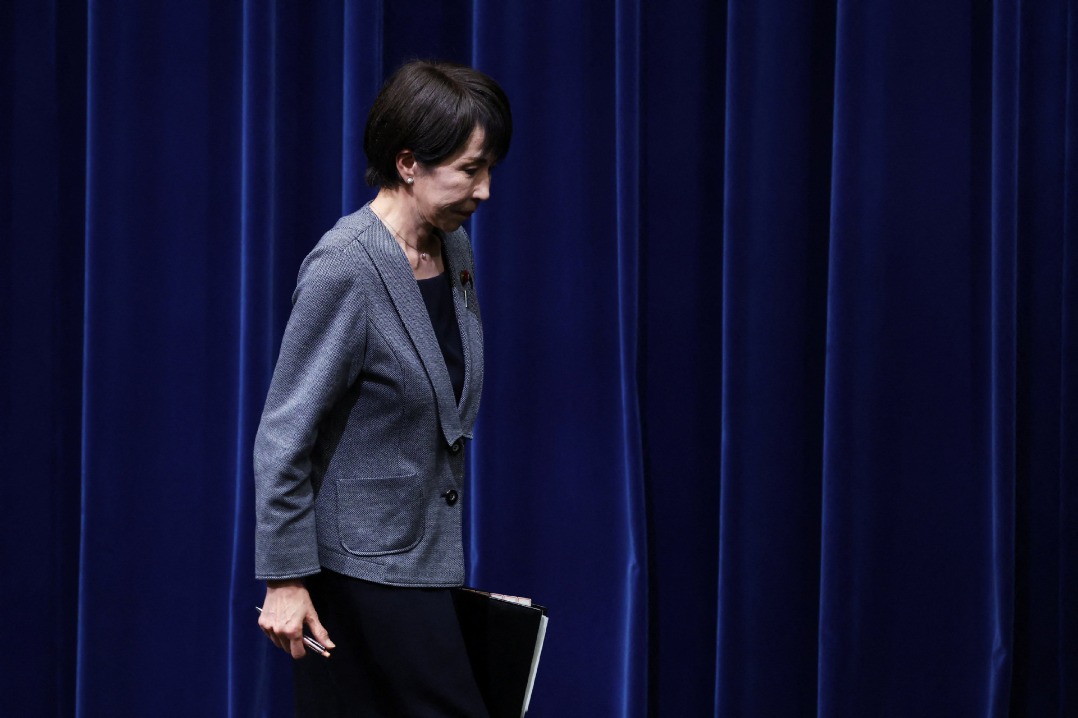
Japan’s parliamentary approval of an 18.3 trillion yen ($118 billion) supplementary budget has ignited significant debate about the nation’s fiscal priorities and their societal implications. The budget, passed on Tuesday through the House of Councillors, allocates substantial resources to Prime Minister Sanae Takaichi’s policy initiatives with particular emphasis on defense and security enhancements.
Analysts express growing apprehension that the government’s military expenditure strategy—which includes plans to spend 43 trillion yen ($276 billion) on defense over the next five years—will inevitably constrain funding for essential social welfare programs. This budgetary shift occurs alongside proposed tax increases targeting corporations, tobacco products, and personal income specifically designated for defense financing.
Professor Emeritus Mieko Takenobu of Wako University warned that these fiscal decisions threaten Japan’s social sustainability. “When fiscal resources are diverted from public welfare to continuous military expansion through supplementary budgets, society becomes unsustainable,” Takenobu stated during a recent public event. The academic highlighted how defense spending has exceeded conventional budgetary frameworks while resources for daily living expenses and social security systems face continued reduction.
The financial measures include a proposed special income tax for defense spending scheduled for implementation in January 2027, expected to generate approximately 200 billion yen ($1.3 billion) annually. Combined with other tax adjustments, these measures could collectively yield over 1 trillion yen per year, increasing household financial burdens despite the planned reduction of post-disaster reconstruction taxes.
Beyond domestic concerns, experts identify geopolitical risks in Japan’s budgetary direction. Takenobu characterized Takaichi’s recent statements regarding Taiwan as particularly dangerous, suggesting they undermine Japan’s postwar consensus against military engagement. Regular protests have occurred outside the Prime Minister’s Office for over a month, with citizens demanding retraction of these statements and cessation of military expansion discussions.
Akinobu Ito, president of the Japan-China Workers Exchange Association, echoed these concerns during a memorial event for the Nanjing Massacre, urging public vigilance against national-level dangerous trends and advocating for constitutional adherence rather than revision.