The Trump administration is actively soliciting Pakistan’s military leadership to contribute troops to a proposed International Stabilization Force (ISF) for Gaza, according to a Reuters report. This development emerges as Pakistani Field Marshal Asim Munir prepares for an upcoming Washington visit, his third meeting with US officials since President Trump took office earlier this year.
Munir, who attained Pakistan’s highest military rank in May following perceived successes in regional conflicts, now represents Islamabad’s most influential defense figure in decades. The proposed ISF constitutes a fundamental component of President Trump’s 20-point peace initiative aimed at resolving the Israel-Gaza conflict, though the concept faces significant operational and political challenges.
Recent negotiations in Doha, Qatar, involving approximately 45 nations, concluded without concrete troop commitments. Key regional powers including Turkey and Israel were notably excluded from these discussions, while potential contributors like Azerbaijan have reportedly reconsidered their participation.
Pakistan faces particular complications as a Muslim-majority nation maintaining no diplomatic relations with Israel. Foreign Minister Mohammad Ishaq Dar previously indicated potential openness to troop contribution while explicitly rejecting any mandate involving Hamas disarmament. This position reflects domestic political sensitivities, where public sentiment strongly favors Palestinian causes.
Parallel diplomatic channels reveal Hamas has proposed freezing offensive operations for up to a decade and considering weapon decommissioning contingent on complete Israeli withdrawal from Gaza—a proposal neither Israel nor the US has formally addressed.
Munir’s recent diplomatic tour across Muslim-majority nations including Indonesia, Malaysia, Saudi Arabia, and Egypt suggests coordinated efforts to build consensus around Gaza stabilization proposals. This engagement occurs against the backdrop of evolving Pakistan-US relations, which have undergone significant transformation following America’s withdrawal from Afghanistan.
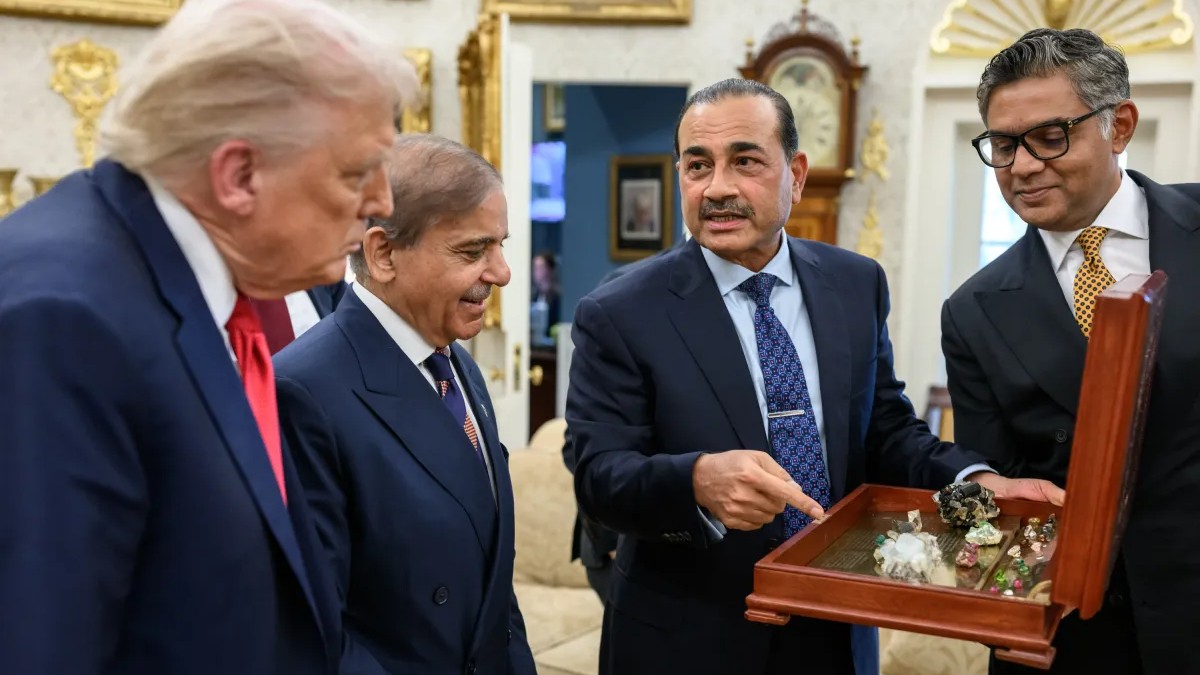
The bilateral relationship has recently yielded tangible benefits for Pakistan, including mineral resource agreements and substantial energy investment commitments. Pakistan’s participation in multilateral peace initiatives has additionally helped avoid punitive trade measures while elevating its international standing. However, potential ISF involvement presents both strategic opportunity and domestic political risk, potentially exposing Pakistani leadership to significant criticism while offering enhanced White House relations.