The U.S. Senate is poised to approve a sweeping $901 billion defense authorization bill that simultaneously advances President Trump’s military priorities while imposing significant congressional oversight mechanisms on the Pentagon. The National Defense Authorization Act (NDAA), spanning over 3,000 pages, received bipartisan support despite revealing substantive policy divisions between legislators and defense officials.
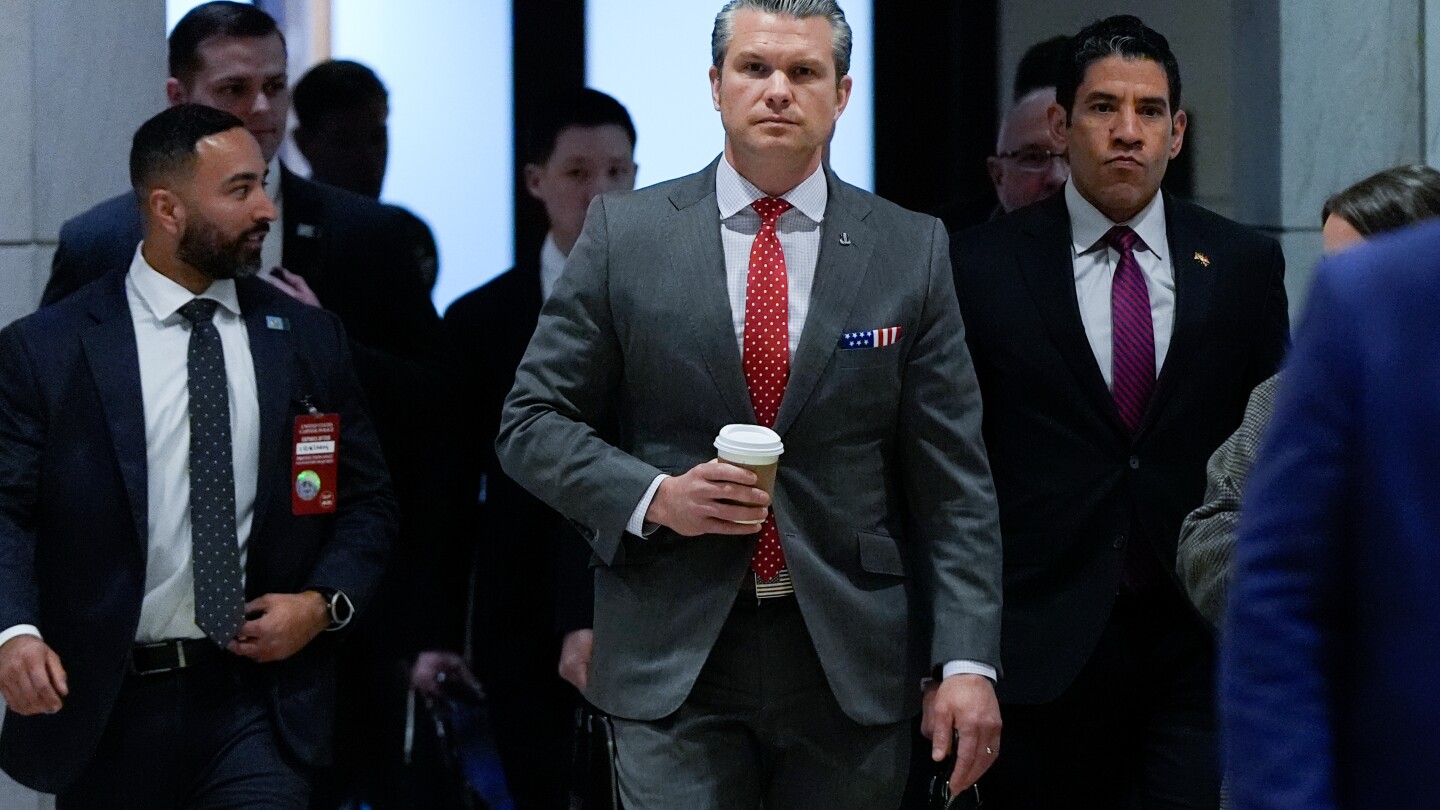
The comprehensive legislation mandates a 3.8% pay increase for military personnel while compelling Defense Secretary Pete Hegseth to release classified footage of maritime strikes targeting drug trafficking vessels near Venezuela. The bill specifically threatens to withhold a quarter of the Secretary’s travel budget until unedited videos and operational orders are provided to armed services committees.
Notably, the legislation counteracts several Pentagon initiatives by requiring maintenance of current troop levels in Europe (minimum 76,000 personnel) and preserving the 28,500-strong presence in South Korea. It additionally allocates $400 million annually for weapons manufacturing to support Ukraine, reflecting congressional pushback against administration decisions regarding Eastern European security.
The NDAA incorporates several of President Trump’s executive orders, including the elimination of diversity, equity, and inclusion programs within military structures—a move projected to save approximately $40 million. Simultaneously, it slashes $1.6 billion from climate-change related defense initiatives, despite military assessments identifying climate threats to national security infrastructure.
Historically significant provisions include the repeal of the 2003 Iraq invasion authorization and the 1991 Gulf War authorization, effectively closing legal chapters from previous conflicts. The legislation also permanently lifts U.S. sanctions on Syria, aligning with administration efforts to support economic reconstruction under the new government.
Aviation safety concerns emerged as a contentious aspect, with the bill permitting military aircraft waivers for precise location broadcasting—a provision criticized following January’s fatal midair collision that claimed 67 lives. Senator Ted Cruz announced plans for separate legislation mandating enhanced location-sharing protocols for military aircraft.
The compromise legislation enhances congressional notification requirements for troop reductions, intelligence sharing modifications, and high-level military personnel changes, reflecting increased legislative scrutiny of defense decision-making.