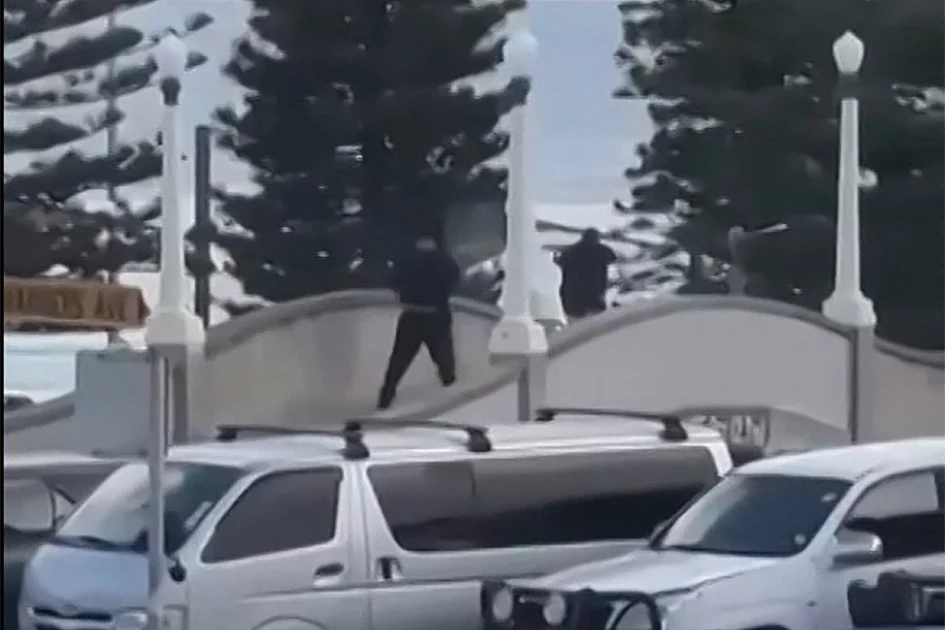
The Philippine government has formally dismissed allegations that the country served as a terrorist training ground for the perpetrators of Australia’s Bondi Beach massacre. This response comes after revelations that father-son duo Sajid Akram and Naveed Akram spent November in the southern Davao province before carrying out the attack that killed 15 people at a Hanukkah celebration.
Presidential spokeswoman Claire Castro, reading from a National Security Council statement, asserted that “no evidence has been presented to support claims that the country was used for terrorist training.” She emphasized President Ferdinand Marcos’s strong rejection of characterizations labeling the Philippines as an “ISIS training hotspot.”
Immigration records confirmed the Akrams entered the Philippines on November 1 with destination Davao, located on Mindanao island—a region with a documented history of Islamist insurgencies. However, military officials challenged the notion that significant training could occur during their month-long stay.
Colonel Xerxes Trinidad, speaking to reporters, stated that “training cannot be acquired in just 30 days… especially if you are to undergo marksmanship training.” Military spokeswoman Colonel Francel Padilla added that armed groups in Mindanao have been “fragmented” and lacking leadership since the beginning of 2024, with no recorded major terrorist operations or training activities.
The contrasting perspectives emerged as Australian authorities investigate potential extremist connections during the Akrams’ visit. While military officials maintain insurgent capabilities have been significantly degraded since the 2017 Marawi siege that claimed over 1,000 lives, security analyst Rommel Banlaoi cautioned that active training camps persist in central Mindanao, with weakened insurgent movements maintaining “local and global online” connections.