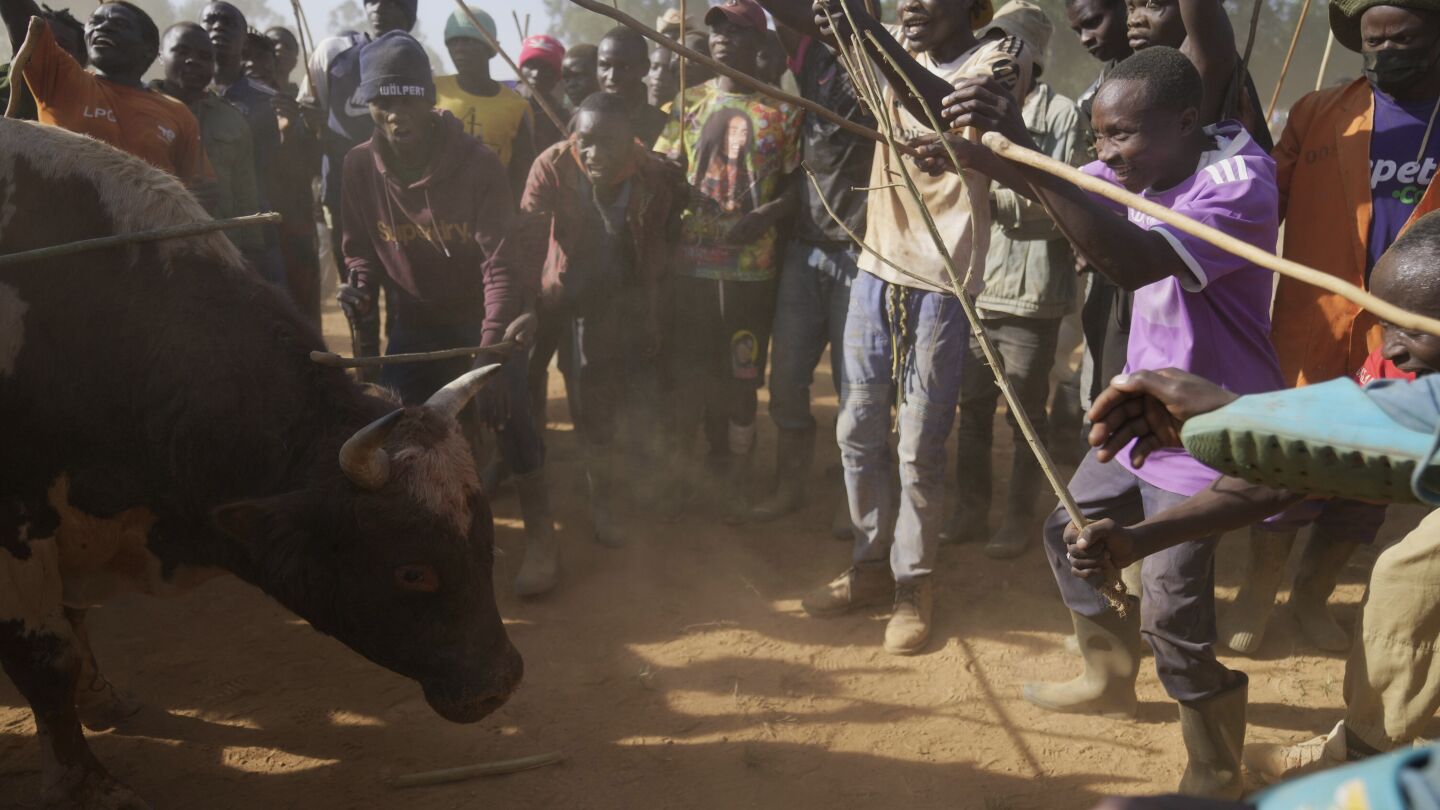
In western Kenya’s Kakamega County, an ancient tradition has transformed into a modern spectacle that captivates thousands. The bullfighting derby, deeply rooted in Luhya community heritage, now serves as both cultural preservation and contemporary social outlet for Kenya’s youth.
The recent rematch between veteran bull Promise and rising contender Shakahola—named after the forest where over 400 cult-related deaths occurred in 2023—demonstrated how this centuries-old practice has adapted to modern times. What began as post-harvest entertainment has evolved into organized sport complete with social media betting, merchandise sales, and viral TikTok content creation.
University of Nairobi sociologist Kathleen Anangwe identifies multiple factors driving this resurgence: “The youth are seeking identity and authenticity,” she explains, noting that bullfighting provides social solidarity amid Kenya’s challenging unemployment landscape. Official statistics place national unemployment at 9%, though youth rates are significantly higher according to workers’ rights groups.
The economic impact extends beyond the arena. Young entrepreneurs capitalize on events by selling snacks, traditional bull-chasing sticks, and refreshments to spectators. The matches foster community bonding while creating informal economic opportunities.
Preparation for fights involves meticulous traditional rituals. Bulls receive special diets of napier grass and herbal concoctions believed to enhance strength. Owners perform pre-match encouragement rituals, and transportation to the arena becomes a procession with hundreds of motorcycle-riding fans waving sticks and ululating.
The spectacle draws diverse audiences, from local devotees to first-time visitors like David Gitau from central Kenya, who expressed amazement at the tradition. The matches themselves are brief but intense—lasting under five minutes as bulls lock horns until one retreats. Organizers emphasize that the animals are not deliberately injured during these encounters.
Twenty-year-old Brenda Milimo, niece of Shakahola’s owner, represents the new generation of enthusiasts. Despite being unemployed, she travels 4.5 hours by bus from Nairobi to attend major matches and participates in casual social media betting. “Bullfighting is in my blood,” she declares, having wagered up to 1,500 Kenyan shillings ($11) on previous matches.
The recent victory by Shakahola—avenging a loss from two years prior—sparked celebratory eruptions of song, dance, and traditional drumming. Owner Josphat Milimo expressed triumphant satisfaction, claiming redemption after previously feeling “cheated of victory.” As the tradition gains popularity among digital-native youth, participants anticipate further formalization through dedicated betting platforms and expanded media coverage.