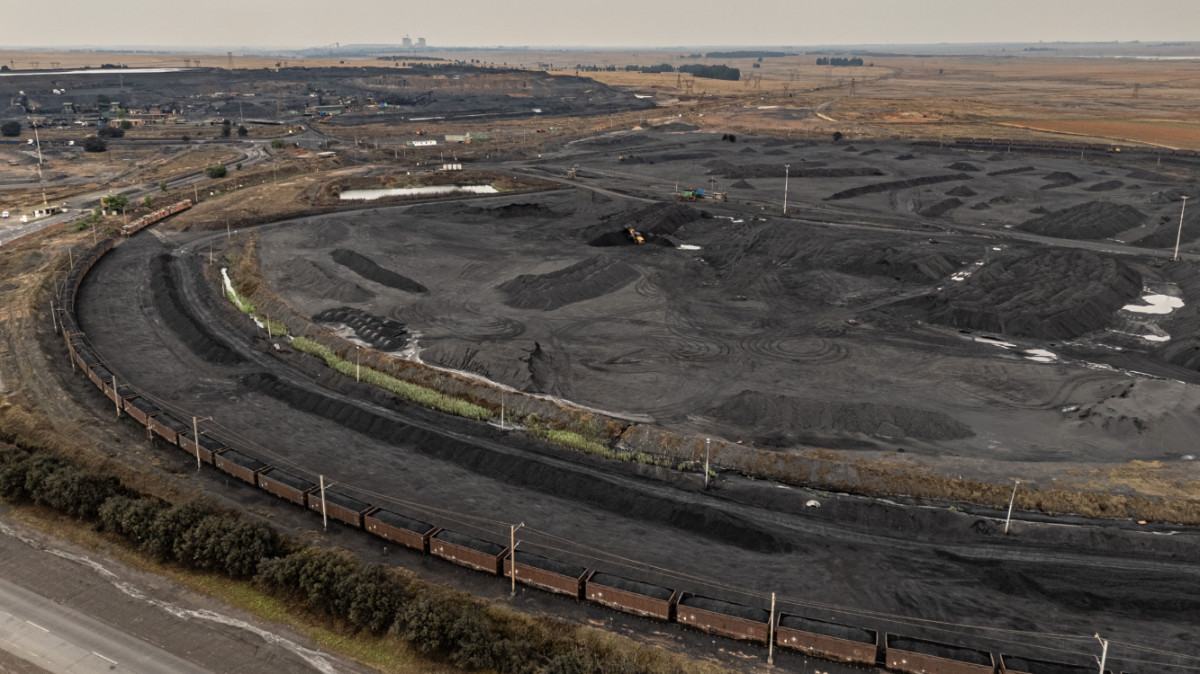
In a significant shift in global energy trade dynamics, South Africa has substantially increased coal exports to Israel, effectively filling the void created by Colombia’s recent embargo. According to data from commodity analytics firms, South African coal shipments to Israel surged by 87% during the three-month period leading to November compared to the previous year. This development positions South Africa to achieve its highest monthly export volumes to Israel since February 2017, as confirmed by the South African Revenue Service.
The export expansion comes directly in response to Colombian President Gustavo Petro’s June 2024 announcement suspending all coal shipments to Israel. President Petro implemented the ban contingent upon Israel’s compliance with International Court of Justice directives to cease military operations in Rafah, southern Gaza. Despite initially accounting for approximately 42% of Israel’s annual coal imports totaling two million tonnes, Colombia completely halted exports by late summer 2024, additionally blocking fulfillment of existing long-term supply agreements.
This trade realignment occurs against the backdrop of ongoing conflict between Israel and Hamas that commenced following October 7, 2023 attacks. The hostilities have resulted in significant casualties, with international bodies including the United Nations characterizing Israel’s campaign as genocidal. Ironically, South Africa has been among the most vocal critics of Israel’s military actions, formally accusing the nation of genocide before the ICJ in December 2023.
Market intelligence from Kpler indicates South Africa’s share of Israel’s seaborne coal market is projected to triple from 2024 levels, potentially reaching 55% market dominance. The phenomenon isn’t isolated—a November report from Oil Change International identified twenty-five nations continuing energy exports to Israel throughout the Gaza conflict. Notably, Azerbaijan remains a primary crude oil supplier, with Turkey facilitating transportation via the Baku-Tbilisi-Ceyhan pipeline despite its official condemnation of Israeli policies.
The situation demonstrates the complex interplay between geopolitical principles, economic interests, and international humanitarian law, where nations maintain trade relationships despite overt political disagreements and humanitarian concerns.