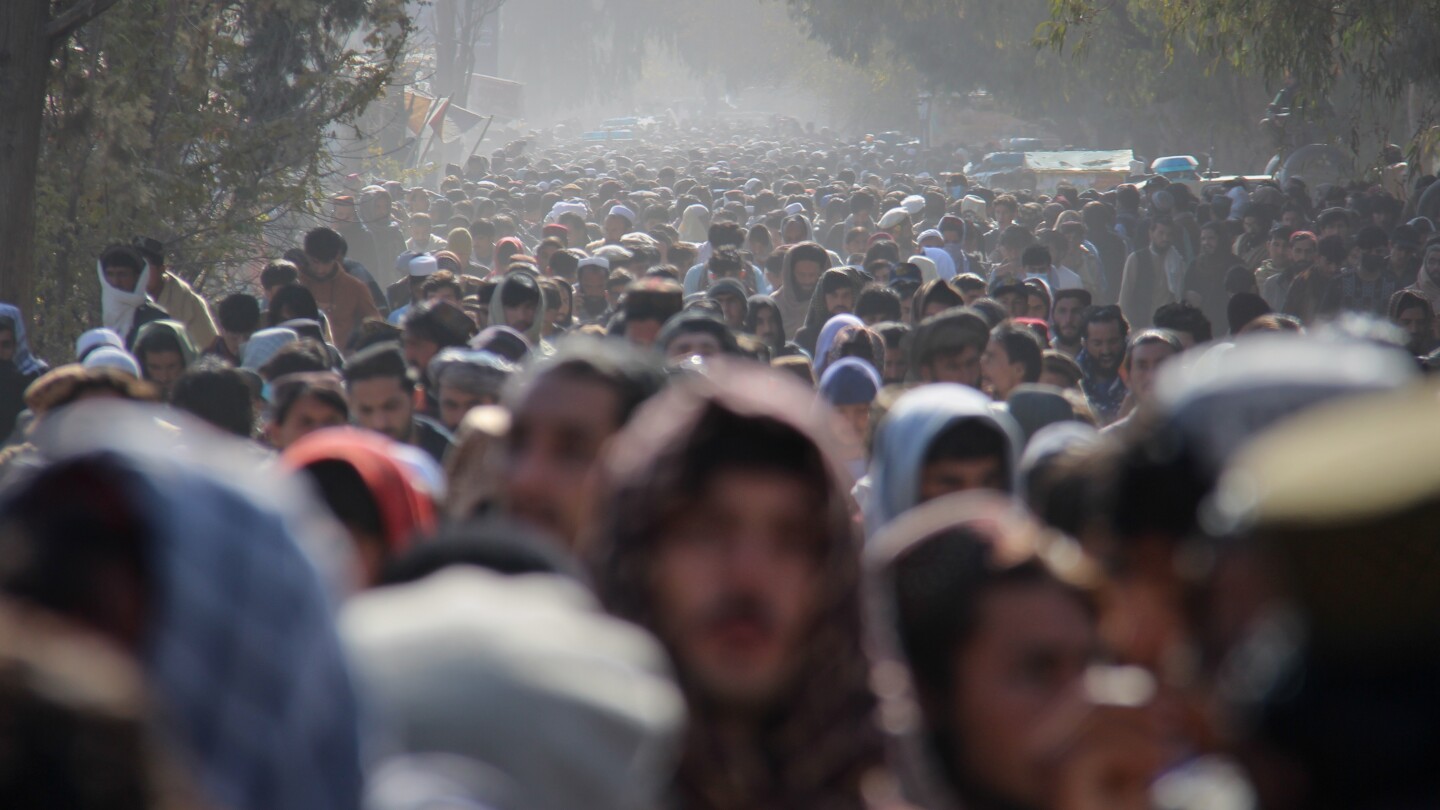
GENEVA — Afghanistan confronts an escalating humanitarian emergency as winter approaches, with over 17 million citizens—more than one-third of the population—projected to experience crisis-level food shortages through March 2026. This alarming figure represents a significant increase of approximately 3 million people compared to the previous year’s assessment.
The Integrated Food Security Phase Classification (IPC), the global authority monitoring hunger crises, attributes this deterioration to multiple converging factors: persistent economic instability, recurring drought conditions, diminishing international aid flows, and the substantial return of Afghan nationals from neighboring Iran and Pakistan. These returnees, numbering over 2.5 million this year alone, have placed additional strain on already limited resources.
Jean-Martin Bauer, Director of Food Security at the United Nations World Food Program, emphasized the severity of the situation during a Geneva press briefing. “The IPC data reveals that more than 17 million Afghans are confronting acute food insecurity—a distressing increase of 3 million from last year’s figures,” Bauer stated via video link from Rome.
The crisis particularly threatens Afghanistan’s most vulnerable populations. Bauer highlighted that “nearly 4 million children currently suffer from acute malnutrition, with approximately 1 million experiencing severe acute malnutrition requiring immediate hospital treatment.”
Current food assistance reaches merely 2.7% of the population, according to IPC reports. This inadequate response is compounded by economic fragility, widespread unemployment, and reduced remittance flows from abroad.
The United Nations recently characterized Afghanistan’s situation as both “severe” and “precarious” as the country enters its first winter without U.S. foreign assistance and with virtually no international food distribution. Tom Fletcher, the UN Humanitarian Chief, informed the Security Council that “overlapping shocks”—including recent devastating earthquakes and increasing restrictions on humanitarian access—have further exacerbated the crisis.
While nearly 22 million Afghans will require UN assistance in 2026, the organization will prioritize 3.9 million individuals facing the most urgent life-threatening conditions due to constrained donor contributions. The IPC projects potential improvement may begin with the spring harvest season starting in April.