The government of Trinidad and Tobago has officially authorized United States military forces to utilize its national airports for logistical operations in the coming weeks, a decision announced Monday amid escalating geopolitical tensions between the U.S. and neighboring Venezuela. The Caribbean nation’s Ministry of Foreign Affairs characterized the arrangement as supporting routine logistical functions including supply replenishment and personnel rotations, while explicitly denying any offensive military purposes.
This development follows the recent installation of advanced radar systems at Tobago’s ANR Robinson International Airport by U.S. military personnel. Trinidad and Tobago officials maintain these systems are solely intended for combating domestic criminal activities, asserting the twin-island nation will not serve as a strategic launch point for attacks against any sovereign state.
The decision has sparked significant political controversy within the country. Opposition Senator Amery Browne, who previously served as foreign minister, condemned the agreement as transforming Trinidad and Tobago into “complicit facilitators of extrajudicial killings” and advancing a “might is right philosophy.” Browne argued this represents a dangerous departure from decades of balanced regional cooperation.
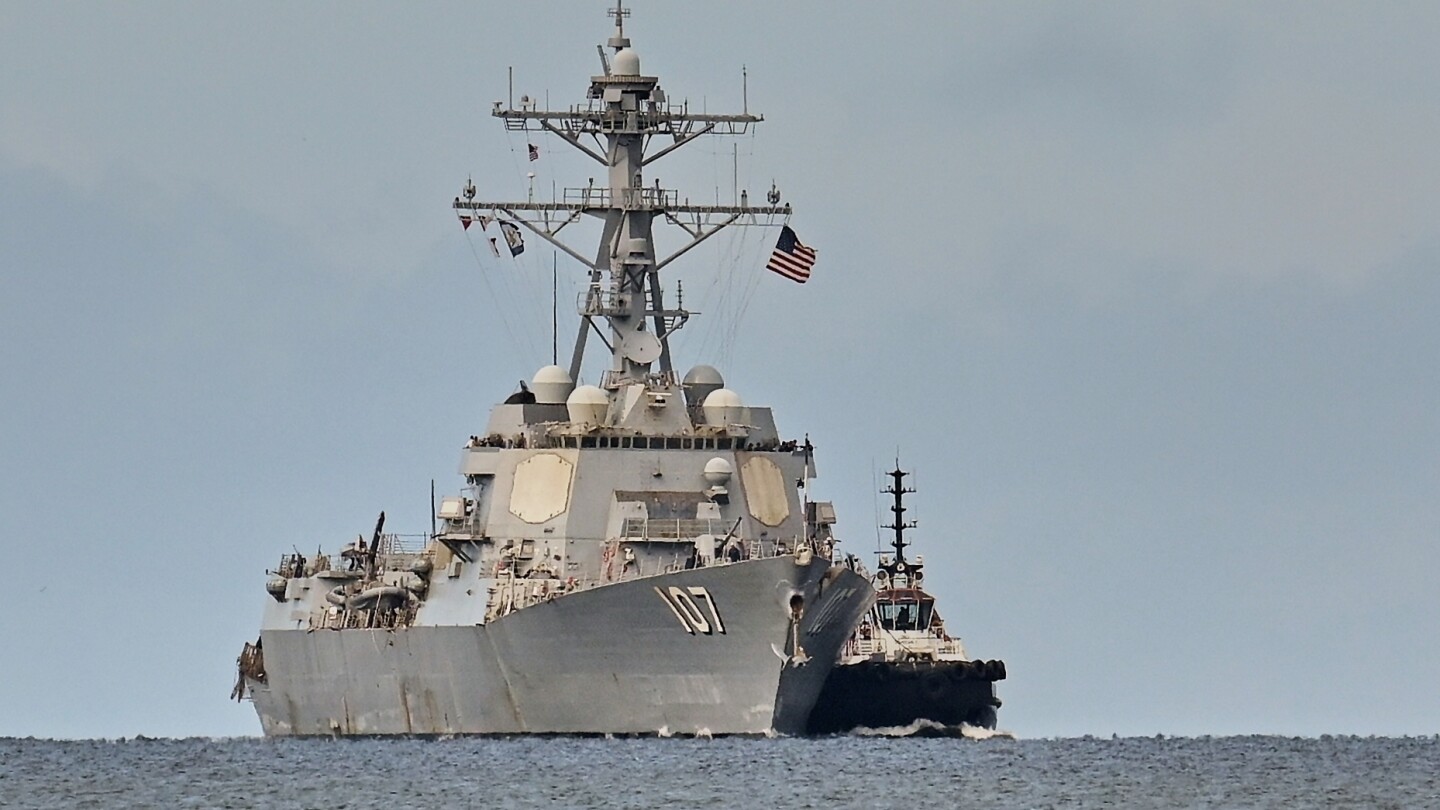
The authorization occurs against the backdrop of intensified U.S. naval operations in the Caribbean, where American warships have conducted strikes against alleged drug trafficking vessels since September, resulting in over 80 casualties. The U.S. Navy has significantly expanded its presence near Venezuelan waters, deploying its largest aircraft carrier alongside additional warships. In October, a U.S. vessel docked in Port-of-Spain, Trinidad’s capital, demonstrating increased military coordination.
U.S. lawmakers have raised constitutional concerns regarding the legality of maritime strikes in Caribbean and eastern Pacific waters, prompting announced congressional reviews of these operations. The proximity of Trinidad and Tobago to Venezuela—separated by merely seven miles at their closest point—adds strategic significance to these military developments.