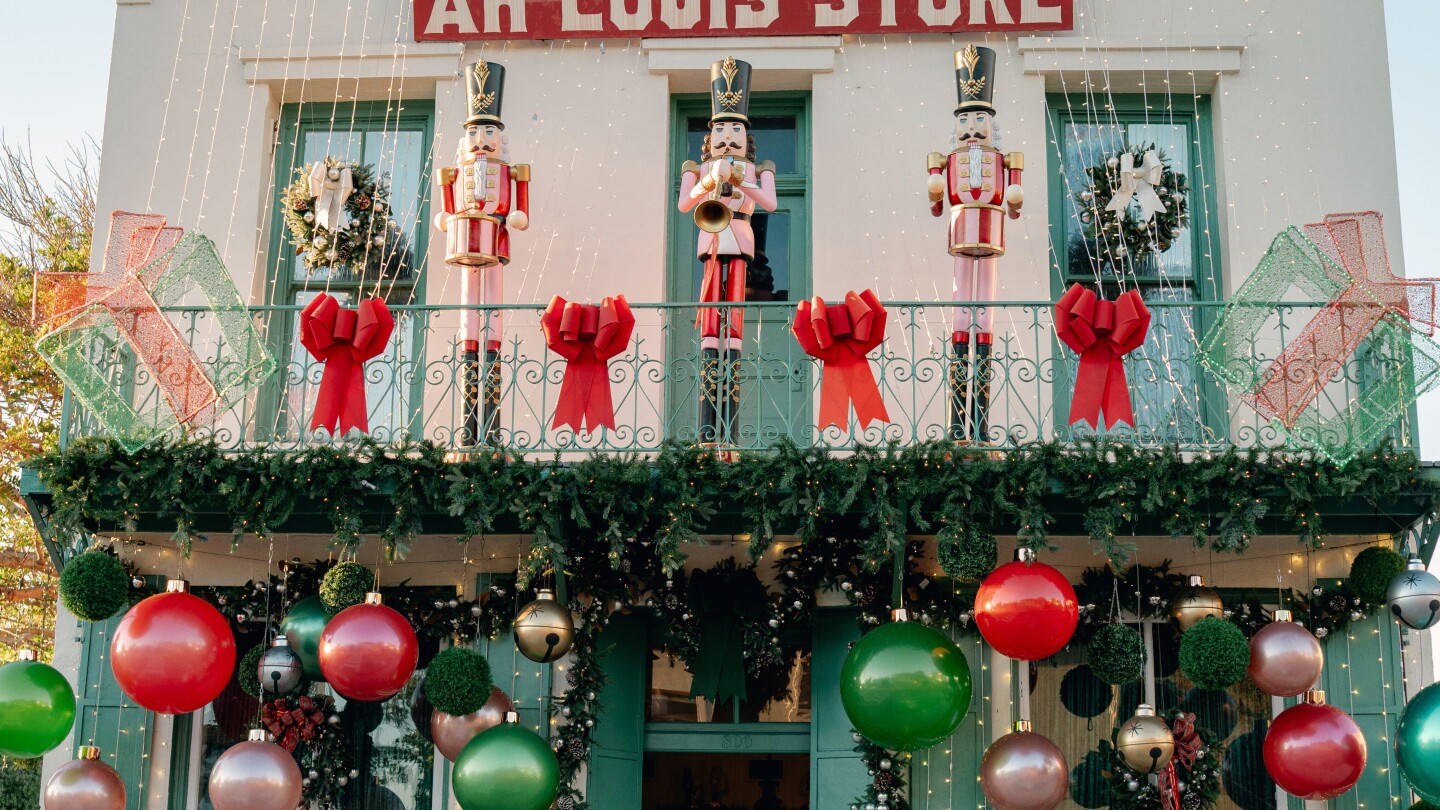
SAN LUIS OBISPO, Calif. – The historic Ah Louis Store transforms into a seasonal spectacle each holiday period, with its façade adorned by green garlands, oversized nutcrackers, and decorative baubles. Inside, shoppers browse through more than 500 ornament varieties and curated gift baskets. Co-owner Emily Butler emphasizes creating “a magical spot” that spreads holiday cheer. Yet this year, converting foot traffic into sales demanded greater strategy amid economic pressures.
Butler and her twin sister, who co-manage the business, encountered supply and pricing challenges due to elevated tariffs on imported goods enacted during the Trump administration. Many of their decorations and stocking stuffers, manufactured overseas, either arrived late or carried steeper costs. In response, the sisters streamlined their offerings toward higher-margin products like nutcrackers and pre-assembled baskets.
Consumers also displayed heightened frugality, frequently opting for a $100 basket instead of a $150 alternative or purchasing a single ornament rather than multiple. “We’re definitely seeing more cautious spending this year,” Butler noted.
This caution reflects broader economic unease. According to a December AP-NORC Center poll, most American adults have observed unusually high prices for groceries, utilities, and holiday gifts. A Gallup index revealed that economic confidence hit a 17-month low in November, with projected holiday gift spending dropping $229 per person from October—the steepest decline recorded at that point in the season.
While the worst-case inflationary impact from tariffs predicted by economists did not fully materialize, certain gifting categories felt distinct effects:
– TOYS AND GAMES: The Toy Association reported significant vulnerability, as most toys sold in the U.S. are manufactured in China. Tariff rates fluctuated dramatically, starting at 10%, peaking at 145%, and settling at 47%. Retailers like Dean Smith, co-owner of JaZams in New Jersey and Pennsylvania, faced wholesale price increases between 5% and 20%, leading to price adjustments that made certain toys less accessible to budget-conscious families.
– ELECTRONICS: Best Buy acknowledged raising prices due to tariffs but emphasized maintaining a range of price points to attract diverse shoppers. Console manufacturers Sony, Microsoft, and Nintendo each announced price increases for popular gaming systems.
– JEWELRY: Price increases here were largely driven by soaring gold values rather than tariffs, though trade policies introduced variability. Deals were struck with countries like Switzerland to reduce duties, while diamond importers rushed shipments ahead of new tariffs from India.
– HOLIDAY DECOR: Sellers like Jeremy Rice of House in Kentucky experienced slowed production and elevated costs for items like artificial flowers and wreaths. Some products saw retail prices rise by over 20% compared to the previous year.
To mitigate tariff-related price hikes, retail analysts suggest shopping at off-price chains like T.J. Maxx or Marshall’s, which often stock pre-tariff inventory, or focusing on domestically produced goods like books, food, and beverages.