BRUSSELS — As Russia’s full-scale invasion of Ukraine approaches its fourth year, European Union leaders are confronting a groundbreaking financial dilemma: whether to utilize approximately €210 billion ($244 billion) in frozen Russian central bank assets to address Ukraine’s critical economic and military needs through 2026.
The upcoming December 18 summit will see EU leaders weighing two distinct proposals for accessing these immobilized funds. The primary option involves creating a ‘reparations loan’ mechanism that would channel proceeds from Russian assets until Moscow agrees to compensate Ukraine for war damages. The alternative approach would require the EU to borrow directly from financial markets, mirroring the bloc’s pandemic recovery strategy.
This unprecedented move carries substantial geopolitical and economic implications. The European Central Bank has issued warnings about potential erosion of confidence in the euro currency should member states appear willing to confiscate foreign assets. Belgium, where the majority of Russian assets are held through the Euroclear clearinghouse, has emerged as the plan’s most vocal opponent due to concerns about legal retaliation and security repercussions.
The political calculus is equally complex. While utilizing frozen Russian assets would require only a qualified majority approval, market borrowing would necessitate unanimous consensus—a challenging prospect given Hungary’s consistent blocking of Ukraine aid measures and emerging resistance from Slovakia and Czech nationalist factions.
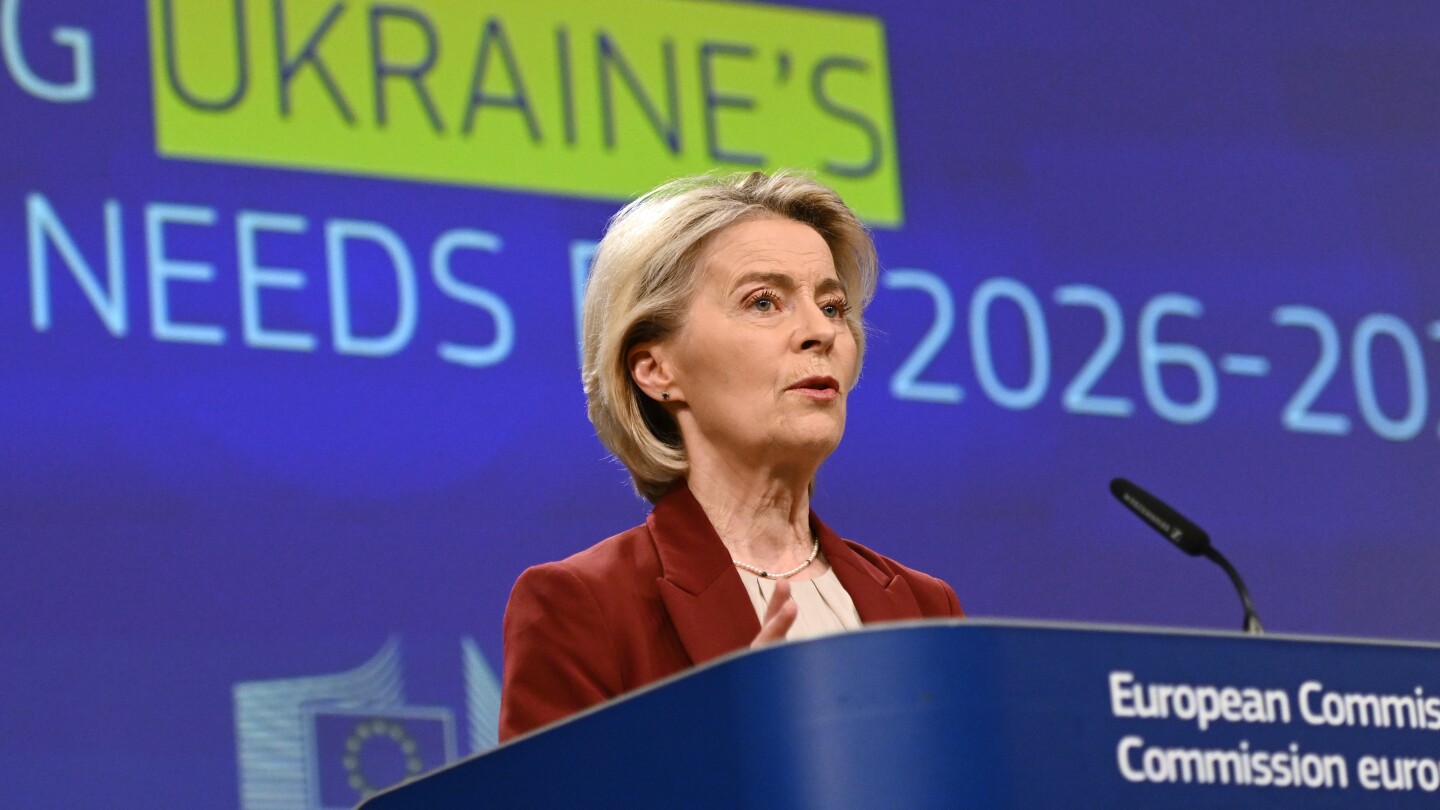
European Commission President Ursula von der Leyen has proposed that the EU cover two-thirds of Ukraine’s €135 billion requirements for 2026-2027, with international partners filling the remainder. The reparations loan structure would preserve Russia’s theoretical claim to its assets while providing immediate funding to Ukraine, creating a circular repayment mechanism contingent on eventual Russian war reparations.
Despite risk-sharing guarantees offered by Germany and other member states, Belgian officials maintain that the proposal exposes their nation to disproportionate legal and financial hazards, highlighting tensions within the bloc regarding solidarity burden-sharing.