WASHINGTON — The U.S. House of Representatives is poised to vote this week on the annual National Defense Authorization Act (NDAA), a comprehensive $900 billion legislative package that establishes military spending priorities and defense policies for the coming year. While traditionally bipartisan, this year’s bill emerges amid heightened scrutiny of Pentagon operations and reflects complex negotiations between congressional priorities and administration directives.
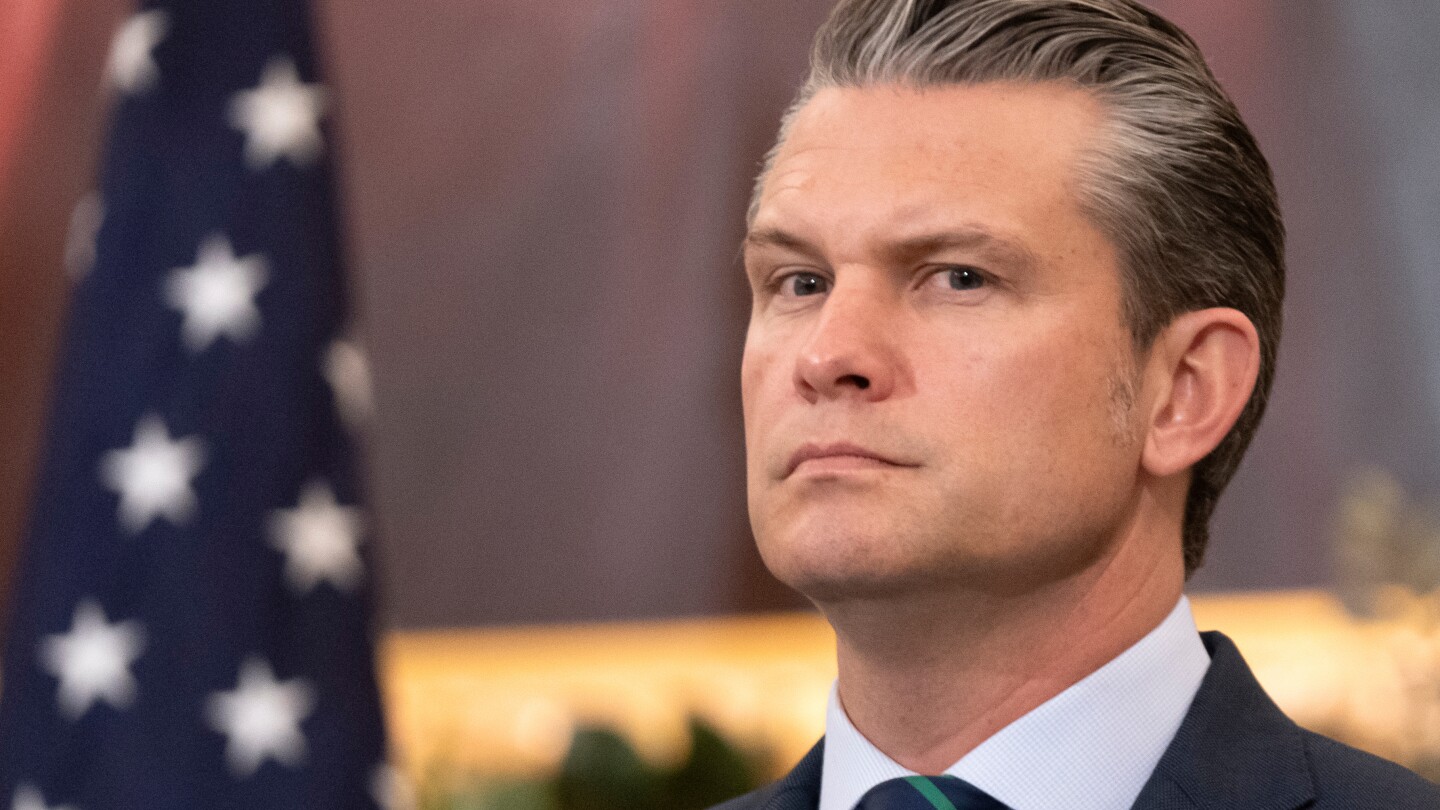
The legislation mandates a 4% pay increase for service members while implementing significant cuts to Pentagon diversity initiatives and climate change programs. In a notable oversight measure, lawmakers are demanding unedited footage of military strikes against suspected drug trafficking vessels, threatening to withhold a quarter of Defense Secretary Pete Hegseth’s travel budget if compliance isn’t met. This follows controversial September incidents where U.S. forces reportedly fired upon survivors clinging to wreckage after initial attacks.
International commitments feature prominently in the bill, which authorizes $400 million annually for weapons manufacturing to support Ukraine’s defense against Russia. Despite the Trump administration’s previously wavering stance on Ukraine support, the legislation requires continued intelligence sharing with Kyiv. Additionally, it establishes minimum troop presence requirements of 76,000 in Europe and 28,500 in South Korea, addressing NATO allies’ concerns about potential security vacuums.
The NDAA also includes historic provisions to formally repeal the 2002 Authorization for Use of Military Force in Iraq, effectively ending legal justification for the Iraq War. Simultaneously, it would permanently lift remaining harsh sanctions on Syria, facilitating potential economic reconstruction.
Controversially omitted from the final version was coverage for in vitro fertilization (IVF) treatments for military personnel, a provision removed by House Speaker Mike Johnson despite criticism from Democrats who characterized the move as callous toward service members’ family-building needs.
The bill cuts $1.6 billion from climate-related military programs and eliminates $40 million in diversity, equity, and inclusion initiatives, including the position of chief diversity officer, aligning with the administration’s broader government-wide reduction of these programs.