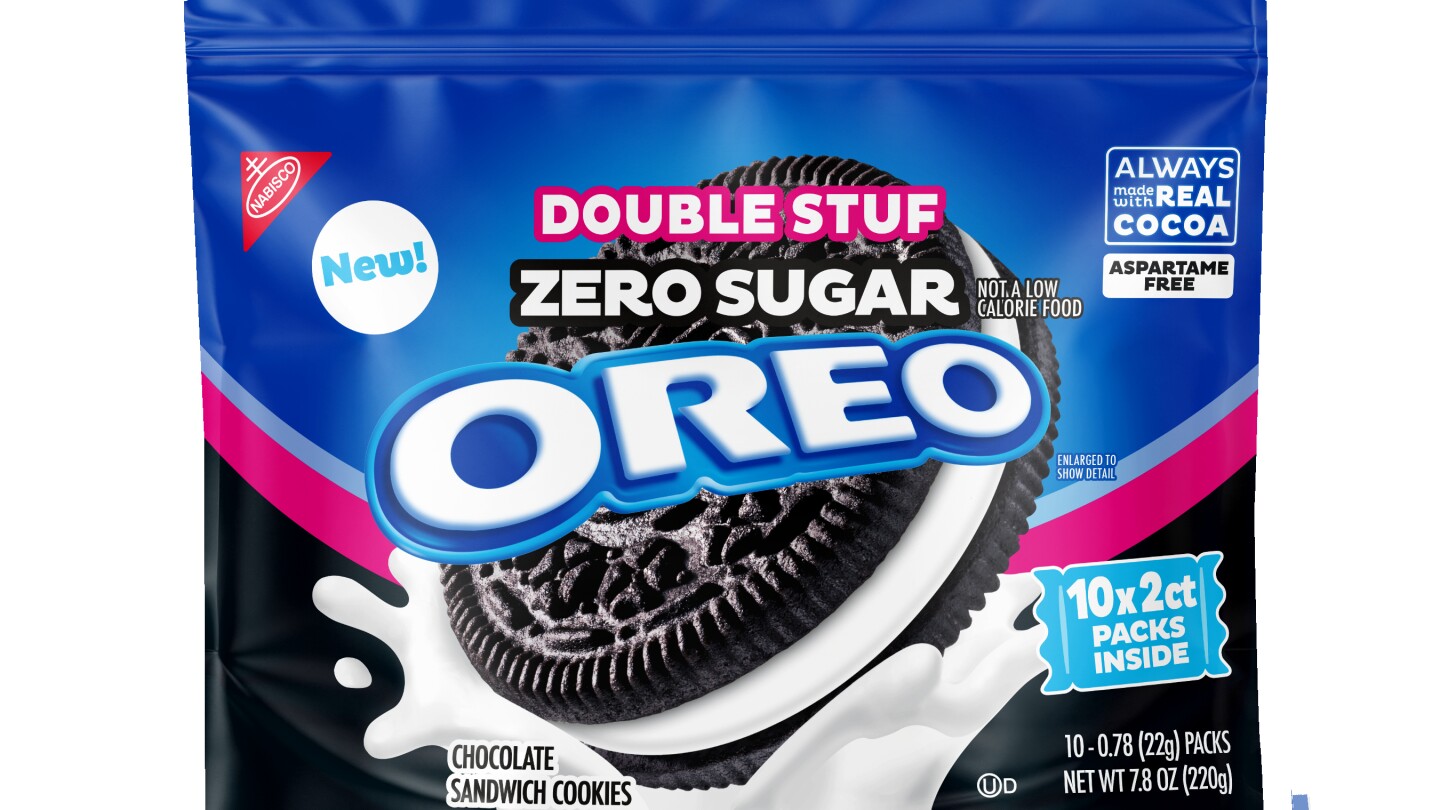
Mondelez International has announced the January launch of Oreo Zero Sugar and Oreo Double Stuf Zero Sugar cookies in the United States, marking the brand’s first permanent sugar-free offering in the American market. The move represents a strategic response to growing consumer demand for healthier snack alternatives while maintaining the iconic Oreo taste experience.
The new product line, already available in European and Chinese markets, addresses what Mondelez identifies as ‘mindful indulgence’ – the increasing consumer preference for treats that align with wellness goals. This development comes amid broader industry recognition of shifting snacking patterns. Market research firm Circana recently reported that a majority of American consumers actively seek snacks they perceive as ‘good for them,’ while Conagra Brands noted particular interest in portion-controlled and wellness-focused options among Millennial and Gen Z demographics.
Mondelez faces competitive pressure in the sugar-free segment from established players including Hershey’s zero-sugar confectionery lines and Voortman’s sugar-free wafer cookies. The market potential is demonstrated by Coca-Cola Zero Sugar’s performance, which saw 9% sales growth in 2023 compared to just 2% for the original formula.
Developing the sugar-free alternative required four years of research to maintain the classic Oreo flavor profile. The reformulated cookies utilize a combination of maltitol (a sugar alcohol naturally present in fruits and vegetables), polydextrose soluble fiber, sucralose, and acesulfame potassium as sweetening agents.
Nutritional analysis reveals significant differences between product lines. A 22.6-gram serving of Zero Sugar Oreos contains 90 calories, 4.5 grams of fat, and 16 grams of carbohydrates with zero added sugars. By comparison, a 34-gram serving of traditional Oreos (approximately three cookies) contains 160 calories, 7 grams of fat, 25 grams of carbohydrates, and 13 grams of added sugars representing 26% of recommended daily intake.