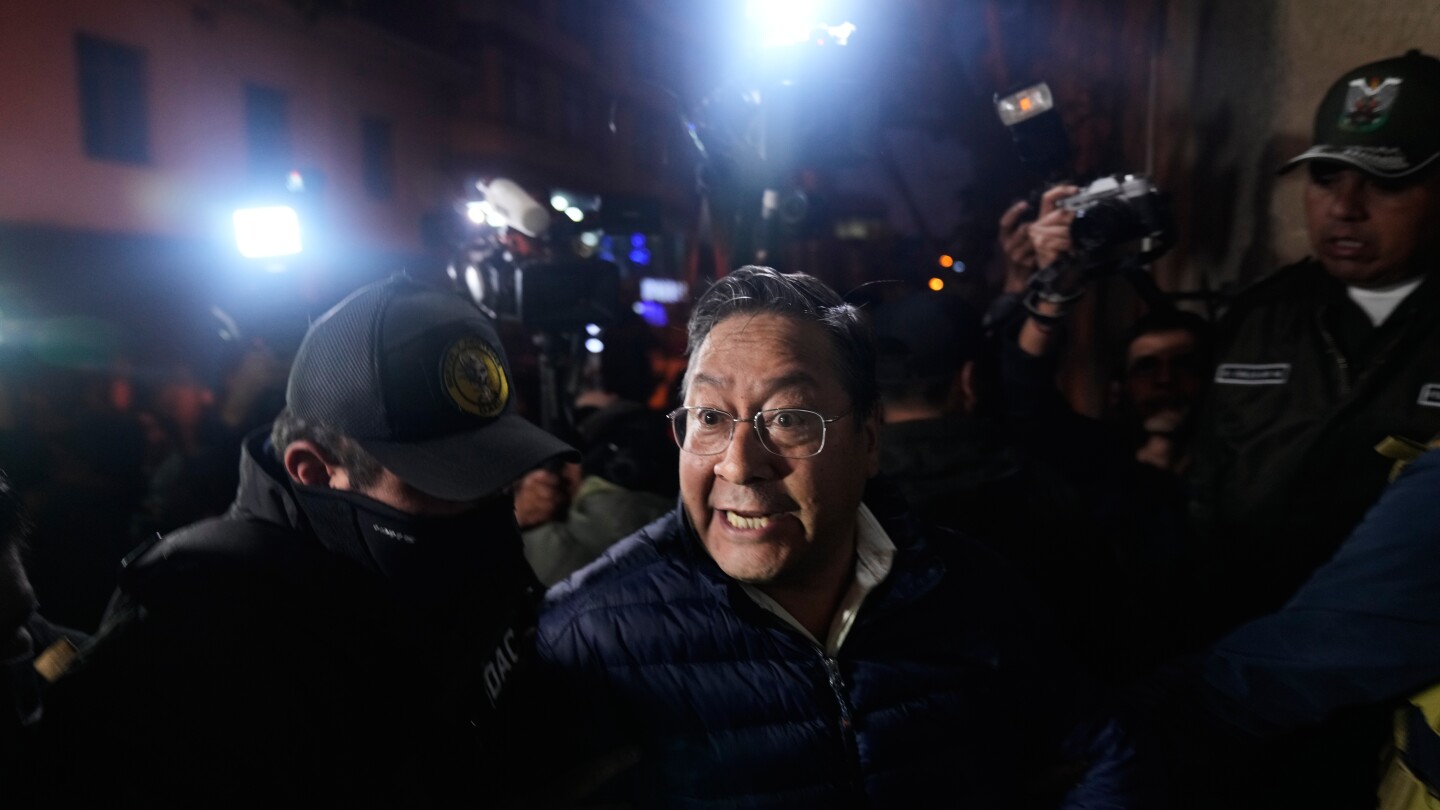
In a dramatic development shaking Bolivia’s political landscape, a court has mandated the detention of former President Luis Arce for five months as he awaits trial on corruption allegations. The ruling came during a virtual hearing on Friday, just two days after Arce’s unexpected arrest on the streets of La Paz.
The 62-year-old former leader, who left office merely a month ago following the election of Bolivia’s first conservative president in nearly twenty years, faces charges of breach of duty and financial misconduct. These accusations center on the alleged diversion of millions of dollars from state funds into private accounts during Arce’s tenure as economy minister under former President Evo Morales between 2006 and 2017.
Despite the initial emergence of these allegations in 2017, investigations remained stagnant during Morales’ presidency, with courts appearing deferential to the ruling political power. The case gained renewed momentum when conservative President Rodrigo Paz assumed office last month, ending the prolonged dominance of the Movement Toward Socialism (MAS) party.
Arce has vehemently denied all charges, characterizing them as politically motivated persecution. “I’m a scapegoat,” he asserted during the hearing, maintaining that he had no personal involvement in the management of the government fund under scrutiny—a fund designated to support Indigenous communities and peasant farmers who constituted the core base of MAS support.
Prosecutors allege that Arce orchestrated the siphoning of money from rural development projects to secure loyalty from MAS-allied union and Indigenous leaders during election campaigns. If convicted, the former president could face up to six years imprisonment.
Arce’s legal team petitioned for his release pending trial, citing his previous battle with kidney cancer, but Judge Elmer Laura rejected the appeal. The judge exceeded the prosecution’s request for three months in a juvenile detention center by ordering five months in a state prison, emphasizing that the alleged crimes “directly affect state assets and resources that were allocated to vulnerable sectors.”
The case represents a significant test for Bolivia’s judicial independence and threatens to deepen the country’s political divisions as it grapples with its most severe economic crisis in four decades.