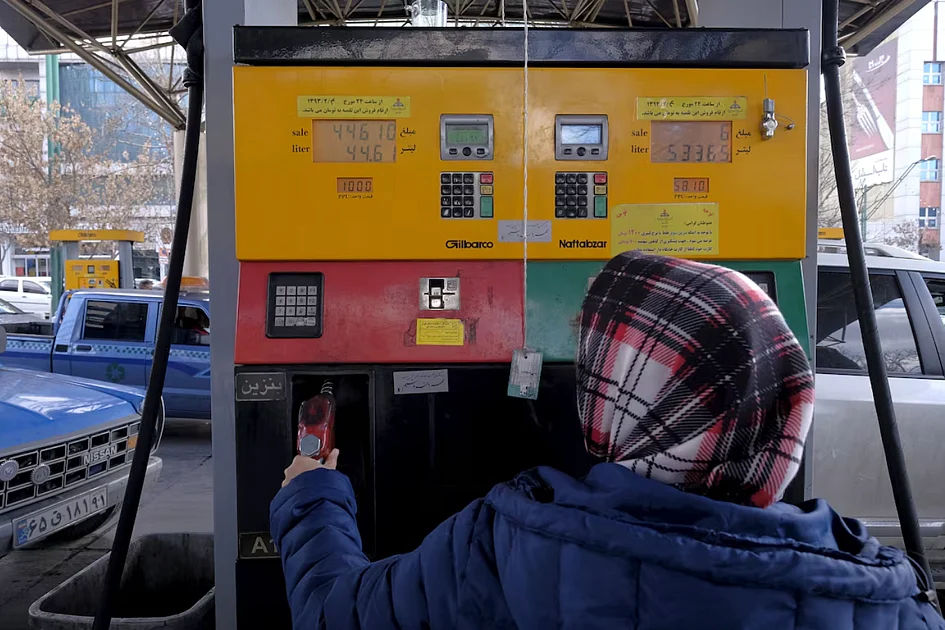
In a significant economic policy shift, the Iranian government has introduced a revised fuel pricing structure effective Saturday, December 13, 2025. The new system imposes substantially higher rates for heavy consumers while maintaining subsidized prices for moderate users, according to government spokesperson Fatemeh Mohajerani’s announcement on state television.
The revised pricing mechanism establishes a three-tier system: Regular vehicles can purchase up to 60 liters monthly at the subsidized rate of 15,000 rials per liter, with an additional 100 liters available at 30,000 rials. Consumers exceeding the 160-liter monthly threshold will now pay 50,000 rials per liter – representing a 233% increase from the previous highest tier. Emergency vehicles including ambulances remain exempt from these changes.
This strategic move addresses Iran’s dual challenges of soaring domestic fuel consumption and widespread gasoline smuggling to neighboring countries, where prices are significantly higher. As an OPEC member with some of the world’s lowest fuel prices, Iran has long struggled with inefficient energy usage patterns that strain government resources.
The policy adjustment follows careful consideration of potential social implications, particularly memories of the 2019 protests that erupted after previous fuel price hikes. Government officials have emphasized that the graduated approach specifically targets heavy users while protecting essential services and average citizens. Taxi operators, crucial to public transportation, will maintain their existing fuel quotas unchanged.
Market analysts suggest this measured approach reflects Tehran’s attempt to balance fiscal responsibility with social stability, using economic incentives rather than rationing to modify consumption behavior. The success of this policy may determine future energy sector reforms in Iran’s sanctioned economy.