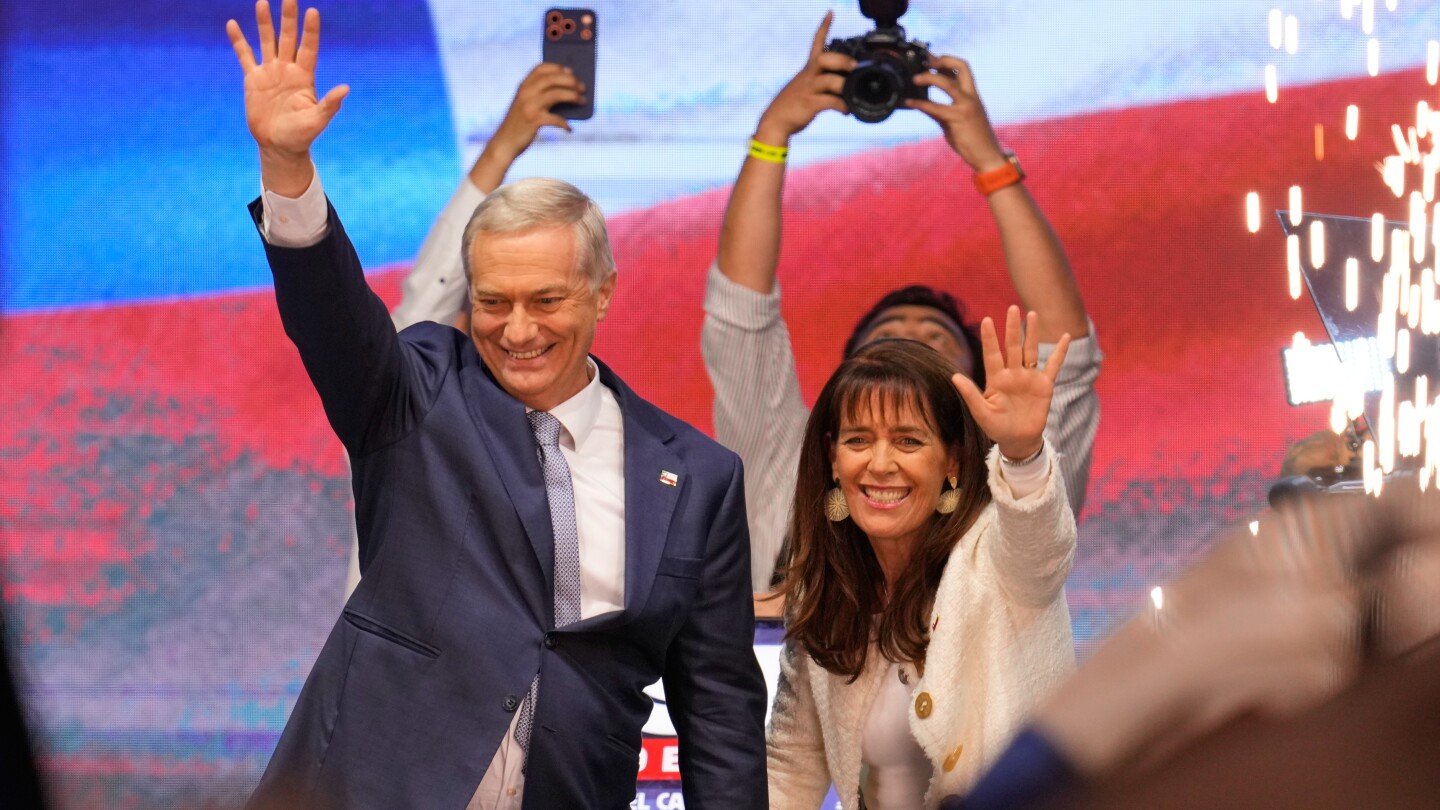
SANTIAGO, Chile — In a seismic political realignment, Chile has elected ultra-conservative former legislator José Antonio Kast as president, marking the nation’s most significant rightward turn since its return to democracy 35 years ago. Kast secured a decisive 58.2% victory in Sunday’s runoff election, defeating center-left governing coalition candidate Jeannette Jara, who garnered 41.8% of votes.
The election outcome represents a profound response to mounting public concerns over crime, immigration, and economic stagnation in one of Latin America’s traditionally stable nations. Kast’s campaign successfully channeled widespread anxiety about public safety, promising stringent measures against organized crime and pledging to deport hundreds of thousands of undocumented immigrants.
In his victory address, Kast emphasized restoring order: ‘Chile needs order—in the streets, in the state, in the priorities that have been lost.’ Notably, he demonstrated unexpected moderation by chastising supporters who booed his opponent, demanding respect for the defeated candidate.
Kast’s triumph aligns with a broader regional trend that has seen right-wing leaders gain power across Latin America, from Argentina’s Javier Milei to Bolivia’s conservative shift. The Trump administration promptly congratulated Kast, with U.S. Secretary of State Marco Rubio expressing confidence in strengthened bilateral cooperation on security and economic priorities.
The election exposed deep ideological divisions between the candidates. Jara, a lifelong Communist Party member and former labor minister, represented continuity with President Gabriel Boric’s social welfare policies. Kast, by contrast, embodies moral conservatism with opposition to same-sex marriage and abortion, drawing comparisons to Brazil’s incarcerated former leader Jair Bolsonaro.
Kast now faces the challenge of implementing his ambitious agenda without a congressional majority. His proposals include constructing maximum-security prisons inspired by El Salvador’s Nayib Bukele, building extensive border barriers, and implementing $6 billion in spending cuts while maintaining social benefits—a plan economists question for its feasibility.
Political analyst Patricio Navia notes that Kast’s success will depend on his ability to moderate radical instincts: ‘If he governs as a moderate right-wing president, he’ll find support. But can Kast control his radical instincts? That’s the big question.’
The president-elect will assume office on March 11, 2026, ending the center-left’s governance and opening a new chapter in Chile’s political history.