BAB BERRED, Morocco — For generations, farmers in Morocco’s rugged Rif Mountains have cultivated cannabis under constant threat of prosecution. Now, a groundbreaking legalization initiative is transforming this clandestine agricultural tradition into a regulated industry, offering veteran growers unprecedented legal protection and economic stability.
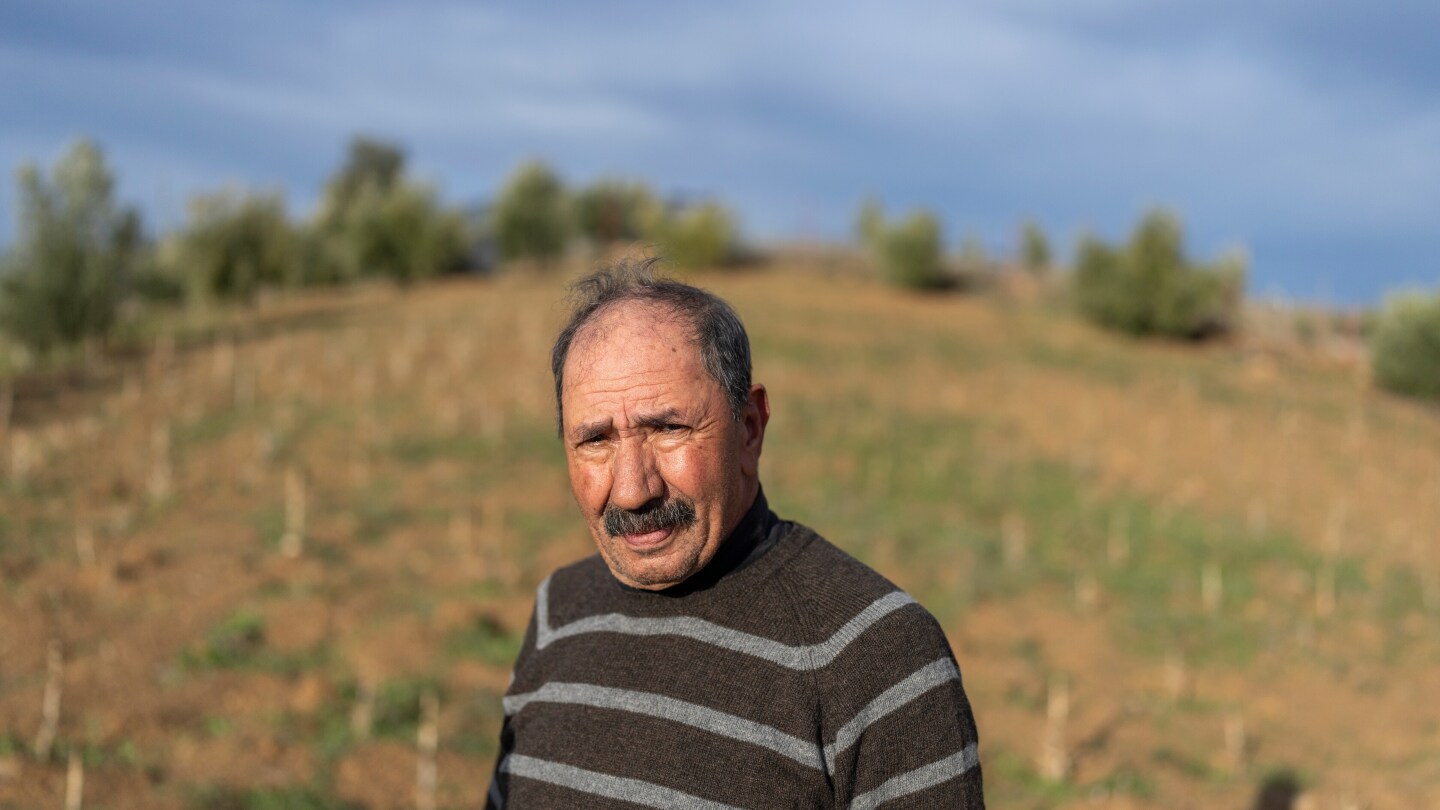
Mohamed Makhlouf, a 70-year-old farmer who began cultivating at age 14, exemplifies this dramatic transition. Where once the aroma of his crops signaled danger, today his government-approved plants grow openly under police observation without consequence. “Legalization is freedom,” Makhlouf reflects. “If you want your work to be clean, you work with the companies and within the law.”
This shift represents Morocco’s ambitious effort to integrate its massive cannabis production—long recognized as the world’s largest supplier of hashish resin—into the formal economy. The 2021 legislation made Morocco the first major illegal cannabis producer and first Muslim-majority nation to legalize certain cultivation forms, specifically for medicinal and industrial applications.
The regulatory framework established since 2022 governs every production aspect, from seed selection to distribution. The national cannabis agency has licensed over 3,371 growers across the Rif region, recording nearly 4,200 tons of legal production. These farmers now supply cooperatives like Biocannat near Bab Berred, which transforms raw plants into CBD oil, skincare products, chocolates, and industrial hemp textiles—all containing less than 1% THC to comply with medicinal standards.
Beyond agricultural benefits, legalization has spawned an entire ecosystem of packaging, transportation, and irrigation jobs. “All of it made possible through legalization,” notes Aziz Makhlouf, director of a cooperative with deep family roots in cannabis farming.
However, challenges persist in this unprecedented transition. The legal market remains insufficient to absorb the hundreds of thousands dependent on illicit trade, with government data showing legal cultivation on 14,300 acres compared to 67,000 acres still used illegally. Recent protests in Taounate highlighted payment delays to farmers working through official channels, revealing tensions in implementation.
As described by the Global Institute Against Transnational Organized Crime, Morocco currently experiences “coexistence of both markets rather than a decisive transition.” The nation now navigates parallel cannabis economies—one regulated, one outlawed—attempting to bring a centuries-old trade into the light without abandoning those who sustained it through decades of marginalization.