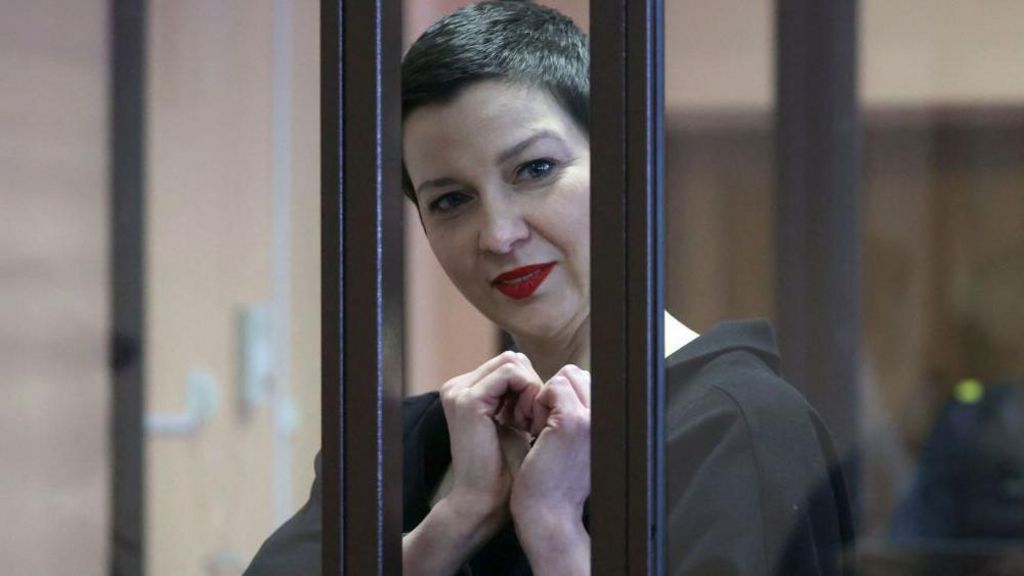
In a significant diplomatic breakthrough, Belarusian authorities have released 123 political prisoners, including prominent opposition leader Maria Kolesnikova and Nobel Peace Prize recipient Ales Bialiatski. This prisoner amnesty follows successful negotiations between Minsk and U.S. Special Envoy John Coale, representing the Trump administration.
The release arrangement coincides with Washington’s agreement to remove critical sanctions on Belarusian potash exports—a vital fertilizer component that constitutes a substantial portion of the nation’s economy. The sanctions relief marks a dramatic shift in U.S. policy toward the Eastern European country, which has maintained close ties with Russia.
Belarusian state media confirmed the immediate lifting of potash restrictions, with Coale stating that additional sanctions would be gradually eliminated as bilateral relations normalize. The development represents a major victory for President Alexander Lukashenko, whose administration has faced international isolation since the controversial 2020 election that sparked widespread protests and brutal government crackdowns.
Maria Kolesnikova, imprisoned since 2020 often under solitary confinement, was among the most high-profile releases. Her sister Tatiana Khomich, a relentless campaigner for her freedom, confirmed via video call that Kolesnikova appeared in good health following her release. Initial reports indicate that several freed individuals are expected to arrive shortly in Vilnius, Lithuania, where crowds have gathered outside the U.S. embassy.
The diplomatic engagement extends beyond bilateral relations, with Coale reportedly discussing Ukraine-related matters with Lukashenko and exploring potential assistance from Minsk in negotiations with Russian President Vladimir Putin. This overture creates a notable policy divergence between the United States and European allies, who continue to maintain sanctions against Lukashenko’s government.
The prisoner release occurs against the backdrop of Belarus’s involvement in Russia’s 2022 invasion of Ukraine, which prompted strengthened Western sanctions. Despite this complicating factor, the negotiations demonstrate the Trump administration’s willingness to pursue diplomatic channels with traditionally isolated governments.