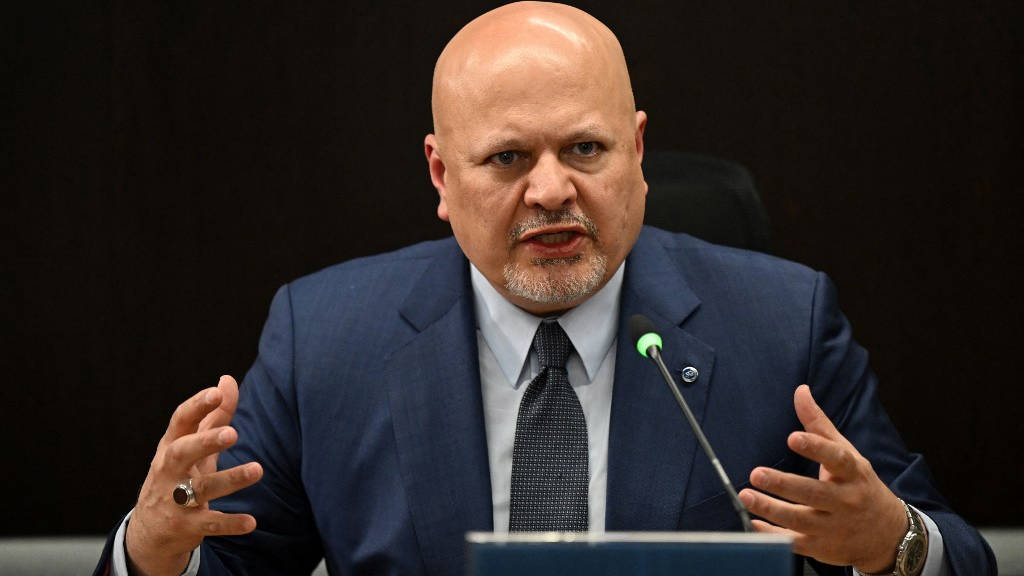
The UK Foreign, Commonwealth and Development Office has maintained a stance of non-commentary regarding serious allegations made by Karim Khan, the Chief Prosecutor of the International Criminal Court (ICC). In an official court submission dated Wednesday, Khan detailed an alleged campaign of intimidation he faced prior to seeking arrest warrants against Israeli leaders in May 2024.
According to the prosecutor’s filing with the ICC’s appeals chamber, a senior British government official reportedly threatened to withdraw UK funding and support for the international judicial body if Khan proceeded with warrants targeting Israeli Prime Minister Benjamin Netanyahu and former Defense Minister Yoav Gallant. The warrants concern alleged war crimes committed during military operations in Gaza.
Multiple investigative reports, including previous coverage by Middle East Eye (MEE), identify the official in question as David Cameron, who served as Foreign Secretary at the time of the alleged April 23, 2024 phone conversation. When pressed by MEE to confirm or deny the allegations and to clarify whether an investigation would be launched into the matter, the Foreign Office declined to respond, continuing a pattern of silence established since initial reports surfaced in June.
Khan’s submission describes receiving communication from the UK official who argued that pursuing warrants against Israeli leadership would be ‘disproportionate’ and could trigger financial repercussions for the court. This account appears to corroborate earlier reporting from MEE, which cited sources including former staff within Khan’s office who were familiar with the call’s minutes.
According to these sources, Cameron characterized the potential issuance of warrants as analogous to ‘dropping a hydrogen bomb.’ He reportedly drew a distinction between prosecuting Russia for its aggression against Ukraine and targeting Israel while it was engaged in self-defense following the October 7 attacks. Further international reporting from outlets including France’s Le Monde and The New Yorker has echoed these details, with the latter publication reporting that Khan himself relayed the ‘hydrogen bomb’ comment to UN investigators.
A contrasting perspective, presented in journalist Peter Oborne’s book ‘Complicit: Britain’s Role in the Destruction of Gaza,’ cites a source close to Cameron describing the exchange as ‘robust’ but not threatening. This source claimed Cameron merely highlighted that powerful factions within the Conservative Party would likely advocate for defunding the ICC and potentially withdrawing from the Rome Statute should the warrants be pursued.
The allegations have prompted calls for accountability from several British political figures. Former Scottish First Minister Humza Yousaf and independent MP Jeremy Corbyn have both demanded a formal parliamentary investigation to establish the facts surrounding the conversation and determine whether a serving UK foreign secretary attempted to improperly influence an independent international judicial process.