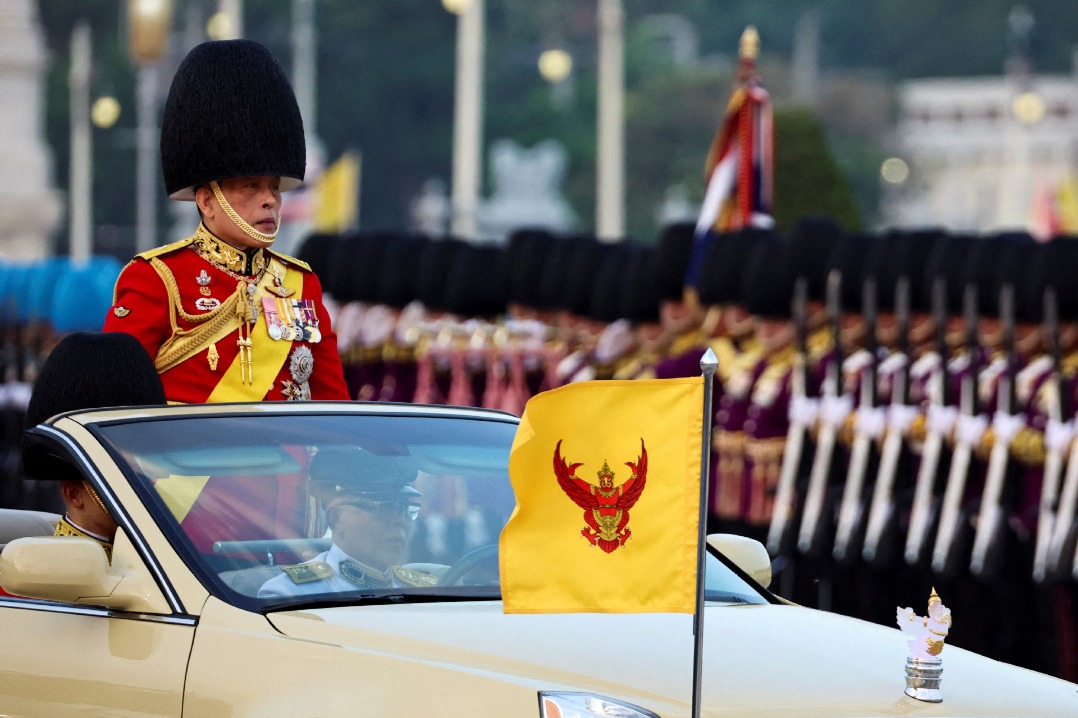
Thailand’s political landscape has entered a pivotal phase following the official dissolution of the House of Representatives. King Maha Vajiralongkorn formally endorsed a Royal Decree on Friday, mandating an early general election to be conducted within the next 60 days. The announcement, published in the Royal Gazette, sets in motion constitutional procedures that will return political decision-making power to the Thai electorate.
Prime Minister Anutin Charnvirakul initiated the dissolution process, submitting a formal proposal to the monarchy citing significant governance challenges. The 58-year-old Bhumjaithai Party leader, who assumed office in September, acknowledged his administration’s minority status in parliament and growing stability concerns. In a Thursday night Facebook address, Anutin declared: ‘I have returned power to the people,’ framing the dissolution as necessary for establishing stable national leadership.
The outgoing coalition government faced mounting pressures on multiple fronts, including economic stagnation, constitutional amendment debates, and escalating border tensions with Cambodia. Anutin’s administration highlighted achievements in disaster response and economic revitalization efforts during its brief tenure but ultimately concluded that fresh elections represented the only path to sustainable governance.
Constitutional provisions require the Election Commission to schedule polling within 45-60 days from the decree’s enactment. This timeline coincides with concerning economic forecasts from Thailand’s Kasikorn Research Center, which projects GDP growth slowing to 1.6% in 2025 amid weakened tourism recovery and constrained household consumption.
Complicating the electoral landscape, recent border clashes with Cambodia have resulted in significant casualties, with nine Thai soldiers killed and over 120 injured. The security situation adds another layer of complexity to an election that will determine Thailand’s political direction amid regional tensions and economic uncertainty.