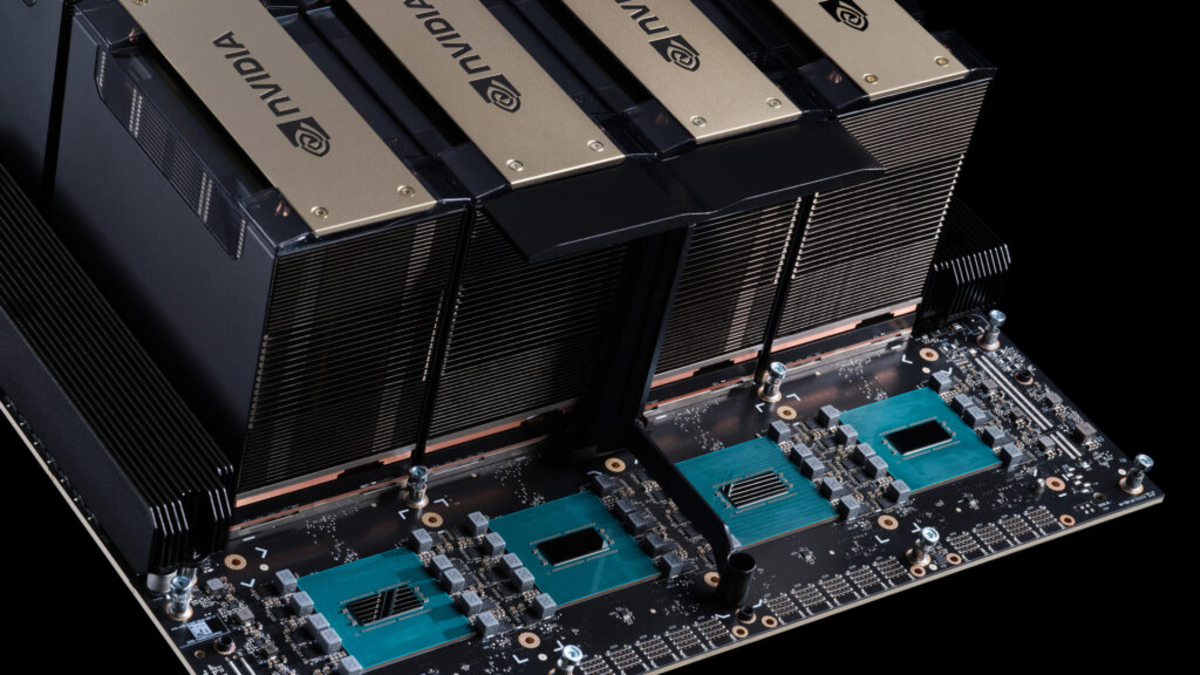
China is demonstrating a notable shift in its position regarding Nvidia’s H200 graphics processing units (GPUs), moving from initial skepticism to a pragmatic governance strategy. This strategic recalibration follows the Trump administration’s December 8 announcement permitting Nvidia to export H200 products to China under specific national security conditions, a decision reportedly communicated directly to Chinese President Xi Jinping during a November 24 phone conversation.
The initial Chinese response to potential H200 exports, characterized by warnings of ‘sugar-coated bullets’ that might undermine domestic chip development, has evolved into a more nuanced ‘twin track’ approach. This strategy allows Chinese firms to utilize H200 chips for AI model training—which demands high-performance processing capabilities—while employing domestic chips for inference tasks requiring less computational power but greater energy efficiency.
Chinese technology giants including ByteDance and Alibaba have expressed significant interest in acquiring H200 chips, with industry sources indicating potential orders approaching 100,000 units. The appeal lies not only in the H200’s substantial performance advantage over previous options but also in Nvidia’s deeply entrenched CUDA ecosystem, which offers a comprehensive development environment that domestic alternatives cannot yet replicate.
Despite this openness to foreign technology, Chinese commentators emphasize the continued importance of developing domestic capabilities. Columnist Tangyipao notes that while the H200 can help alleviate computing power bottlenecks, China must remain vigilant against technological lock-in and continue advancing its indigenous chip industry, particularly through products like Huawei’s Ascend processors.
Security concerns regarding potential ‘back doors’ in Nvidia’s technology have been partially addressed through the company’s December 10 announcement of a software-based monitoring tool designed for GPU management rather than control. Nvidia explicitly stated its chips contain no hardware tracking technology, kill switches, or back doors—though some Chinese analysts call for independent verification of these claims.
This balanced approach reflects China’s historical development philosophy of ‘walking on two legs,’ advocating for simultaneous advancement across multiple sectors without becoming overly dependent on any single technology or approach.