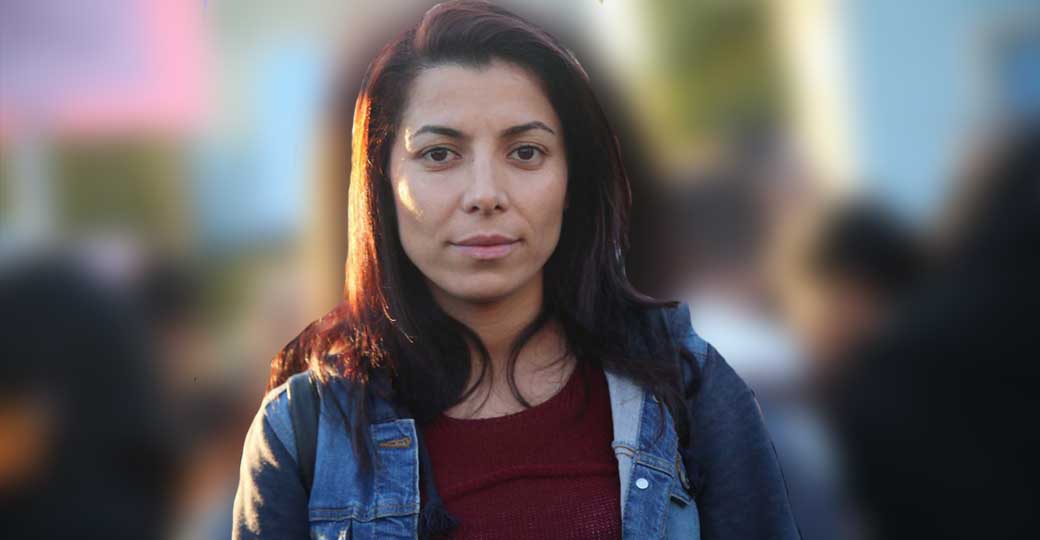
In a significant judicial development, Iran’s Supreme Court has nullified the capital punishment verdict against Verisheh Moradi, a distinguished Kurdish leftist figure and member of the Community of Free Women of Eastern Kurdistan (KJAR). The court’s decision, citing substantial procedural flaws and investigative deficiencies in the initial trial, represents a rare judicial reversal in Iran’s legal system.
Moradi had been condemned to death in November 2024 by Branch 15 of Tehran’s Revolutionary Court on charges of ‘armed rebellion’ stemming from her alleged involvement in the Mahsa Amini protests. The case originated from her arrest in August 2023, where authorities accused her of affiliation with the Free Life Party of Kurdistan (PJAK), an organization linked to the Kurdistan Workers’ Party (PKK).
The Supreme Court’s annulment specifically highlighted the failure to properly notify Moradi of the precise charges against her during legal proceedings, constituting a violation of due process. Judicial authorities have now referred the case back to the original court for comprehensive review and renewed proceedings.
Moradi’s background includes combat experience against Islamic State forces in Syria, where she sustained injuries during the 2014 defense of Kobane. Despite her imprisonment, she remained politically active, co-signing a June 2024 prison letter condemning Israel’s military actions in Gaza.
This case occurs against the backdrop of Iran’s escalating use of capital punishment, which reached a concerning peak with at least 975 executions recorded in 2024—the highest number documented since 2015. The international community has consistently criticized Tehran’s application of the death penalty, particularly in cases involving political dissent and minority rights activists.
Simultaneously, Nobel Peace Prize laureate Narges Mohammadi was forcibly returned to prison after attending a memorial service, cutting short her provisional release granted for health reasons in December 2024. Mohammadi’s continued persecution underscores the challenging environment for human rights defenders within Iran’s judicial landscape.