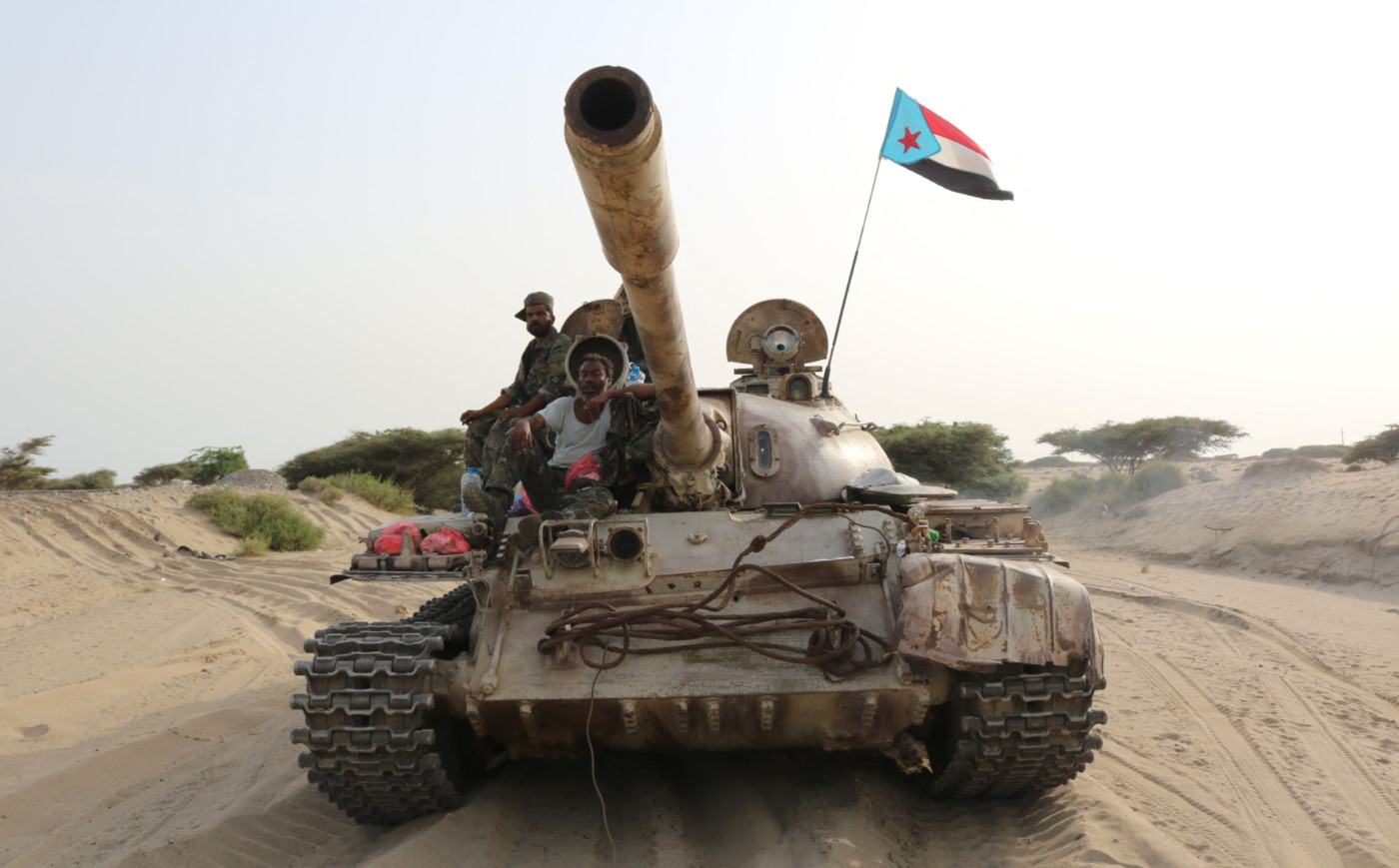
Yemen’s protracted civil conflict has entered a new phase as forces aligned with the UAE-backed Southern Transitional Council (STC) have consolidated control over the resource-rich Hadhramaut province. The operation, dubbed “The Promising Future,” marks a significant escalation in the southern separatist movement’s campaign for autonomy.
The STC’s Hadrami Elite Forces captured the strategic city of Seiyun on December 3rd before expanding their territorial gains throughout the governorate. Their advance included seizure of critical oil infrastructure previously controlled by the Hadhramaut Tribal Alliance, with the operation culminating in the raising of the historic South Yemen flag over captured territories.
This development occurs against the backdrop of Yemen’s complex historical divisions. The nation existed as separate entities for much of the twentieth century, with North Yemen gaining independence from Ottoman rule in 1918 while South Yemen remained under British control until 1967. The Marxist-Leninist People’s Democratic Republic of Yemen maintained tense relations with its northern neighbor throughout the 1970s before unification in 1990.
The current conflict originated in 2014 when Houthi rebels captured the capital Sanaa, triggering a Saudi-led military intervention. The STC emerged as a powerful southern faction in 2017 with Emirati support, briefly seizing Aden in 2019 before joining the internationally recognized government through Saudi-mediated talks.
Strategic significance underpins the STC’s offensive. Hadhramaut contains approximately 80% of Yemen’s modest oil reserves and stretches from the Gulf of Aden to the Saudi border. The province has also struggled with influence from Al-Qaeda in the Arabian Peninsula (AQAP), which the STC cites as justification for its intervention.
Regional powers maintain complex relationships with the conflict. Saudi Arabia prioritizes border security and a political settlement with the Houthis, while the UAE has cultivated the STC as a proxy to advance its security and commercial interests. The UAE has established military bases throughout southern Yemen and seeks to secure maritime routes through strategic partnerships.
The humanitarian situation remains catastrophic, with over half the population in government-controlled areas facing acute food insecurity according to June 2025 IPC reports. More than 4.5 million people have been displaced by the combined effects of conflict, extreme weather, and economic collapse.
Analysts suggest the STC’s objectives focus on consolidating control over former South Yemen territories rather than confronting Houthi forces in the north. The group seeks international recognition and has signaled willingness to improve relations with Israel to gain Western acceptance.
Despite the strategic gains, experts anticipate continued diplomatic maneuvering rather than direct military confrontation between regional powers and the emerging southern authority.