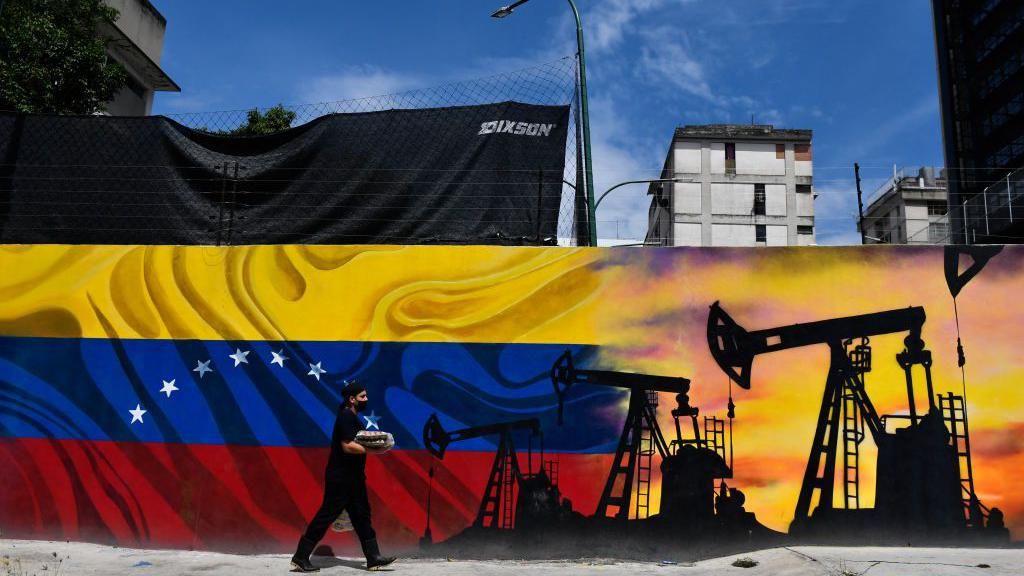
Tensions between the United States and Venezuela have reached a critical juncture as military and economic pressures intensify. Venezuelan President Nicolás Maduro asserts that Washington’s aggressive posture stems primarily from desire to control his nation’s massive petroleum reserves—the world’s largest at approximately 303 billion barrels.
The confrontation escalated this week with the US military seizing an oil tanker allegedly transporting Venezuelan crude in violation of sanctions. This action follows a series of strikes against vessels accused of drug trafficking. President Donald Trump has publicly demanded Maduro’s resignation, alleging his administration facilitates narcotics and criminal elements reaching American shores.
Despite Venezuela’s enormous reserves, current production tells a different story. Output has plummeted to approximately 860,000 barrels daily—just one-third of levels from a decade ago and representing under 1% of global consumption. This dramatic decline followed tightened governmental control over state oil company PDVSA, prompting an exodus of skilled personnel.
US sanctions, initially imposed in 2015 during the Obama administration citing human rights concerns, have severely constrained Venezuela’s energy sector. These measures have limited foreign investment, restricted access to essential equipment, and crippled infrastructure. While some Western companies maintain limited operations, American firm Chevron stands as the primary US producer still active, accounting for roughly one-fifth of Venezuela’s current output after receiving special authorization.
The geopolitical calculus involves multiple factors. Some US politicians, including Florida Republican Congresswoman María Elvira Salazar, advocate for intervention, suggesting American companies could rapidly revitalize Venezuela’s oil industry. However, White House officials emphasize combating drug trafficking and challenging Maduro’s legitimacy as primary objectives.
Energy analysts remain skeptical about immediate benefits. Even if sanctions eased, restoring Venezuela’s production would require tens of billions of dollars and potentially a decade of investment. Additionally, declining long-term global oil demand and Venezuela’s OPEC membership present further complications for potential investors.
The situation presents a paradox: while Venezuela’s heavy crude is desirable for US Gulf Coast refineries, and increased production could eventually lower prices, the practical challenges of revitalizing the industry remain formidable. As Capital Economics’ David Oxley notes, private companies will only commit resources if profitable—a uncertain proposition given the substantial investments and extended timeframe required.