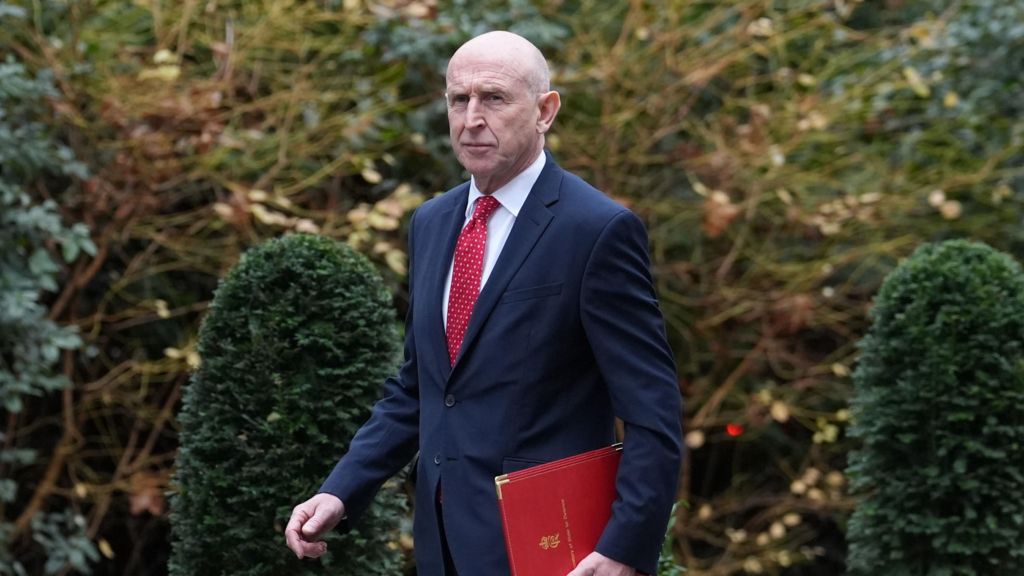
In a sweeping strategic overhaul, the UK Ministry of Defence (MoD) is consolidating its disparate intelligence units into a single integrated organization—the Military Intelligence Services (MIS). This landmark reform responds to a more than 50% surge in hostile intelligence operations targeting British defence infrastructure over the past year.
The MIS will unify intelligence personnel from the Royal Navy, British Army, Royal Air Force, UK Space Command, and Permanent Joint Headquarters. This consolidation aims to dramatically accelerate how critical information is collected, analyzed, and disseminated across military branches.
Accompanying the MIS will be two supporting entities: a new Defence Counter-Intelligence Unit designed to centralize expertise in disrupting adversarial operations, and a Defence Intelligence Academy dedicated to advanced training in intelligence disciplines.
The restructuring follows recommendations from June’s Strategic Defence Review and comes shortly after the Dawn Sturgess Inquiry revealed foreign intelligence services operating “far beyond traditional espionage norms.” In response, the UK government imposed comprehensive sanctions on Russia’s GRU military intelligence agency.
Defence Secretary John Healey stated the reform positions Britain at the “leading edge of military innovation,” providing “sharper insights into what our adversaries might do next” to protect forces and critical infrastructure. His comments were echoed by Armed Forces Minister Alistair Carns, who warned that “the shadow of war is knocking on Europe’s door,” emphasizing that the continent now faces “wars of necessity” rather than choice.
The announcement coincides with heightened geopolitical tensions. NATO Secretary General Mark Rutte recently cautioned that Russia could attack an allied nation within five years, urging preparedness for large-scale conflict. This warning follows Royal Navy reports of tracking Russian submarines in the English Channel—part of a 30% increase in Russian naval activity in UK waters over two years.
Amid these developments, the UK remains committed to raising defence spending to 2.6% of GDP by 2027—the largest sustained increase since the Cold War’s conclusion.