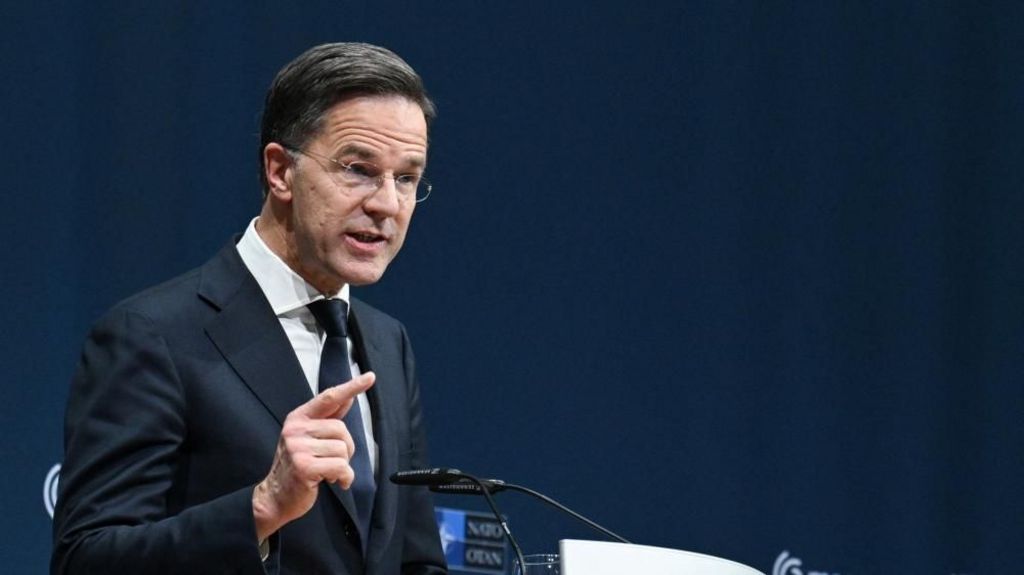
NATO Secretary General Mark Rutte has issued a grave warning that Russia could potentially launch an attack against a NATO member nation within the next five years. Speaking in Berlin, Rutte emphasized that Moscow is already escalating its covert campaign against Western societies through cyber-attacks, disinformation, and other deniable operations.
Rutte’s alarming assessment echoes intelligence reports from Western agencies, which the Kremlin has dismissed as hysterical rhetoric. The NATO leader urged European nations to recognize the imminent threat, stating that allies must prepare for potential conflict on a scale reminiscent of what previous generations endured during major 20th-century wars.
This warning comes amid ongoing diplomatic efforts by U.S. President Donald Trump to broker an end to Russia’s full-scale invasion of Ukraine, which began in February 2022. Despite recent assurances from Russian President Vladimir Putin that Moscow has no plans to wage war against Europe, Rutte reminded audiences that similar reassurances were given just before the invasion of Ukraine.
The NATO chief highlighted Russia’s significant military production capabilities, noting that its economy has been operating on a war footing for over three years. According to the Kiel Institute for the World Economy, Russia is currently producing approximately 150 tanks, 550 infantry fighting vehicles, 120 Lancet drones, and over 50 artillery pieces monthly—a production rate that far exceeds Western capabilities.
Rutte expressed concern about complacency among some NATO members, warning that conflict remains “next door” to Europe. He stressed that supporting Ukraine represents a crucial guarantee for European security, as a Russian victory would create a longer NATO border with Russia and significantly increase the risk of armed attack against alliance members.
Under pressure from the Trump administration, NATO countries have pledged to increase military spending, though analysts note it would take years for Western European factories to match Russia’s weapons production capacity. Recent moves by France and Germany to revive voluntary military service for 18-year-olds reflect growing recognition of the heightened security threat.