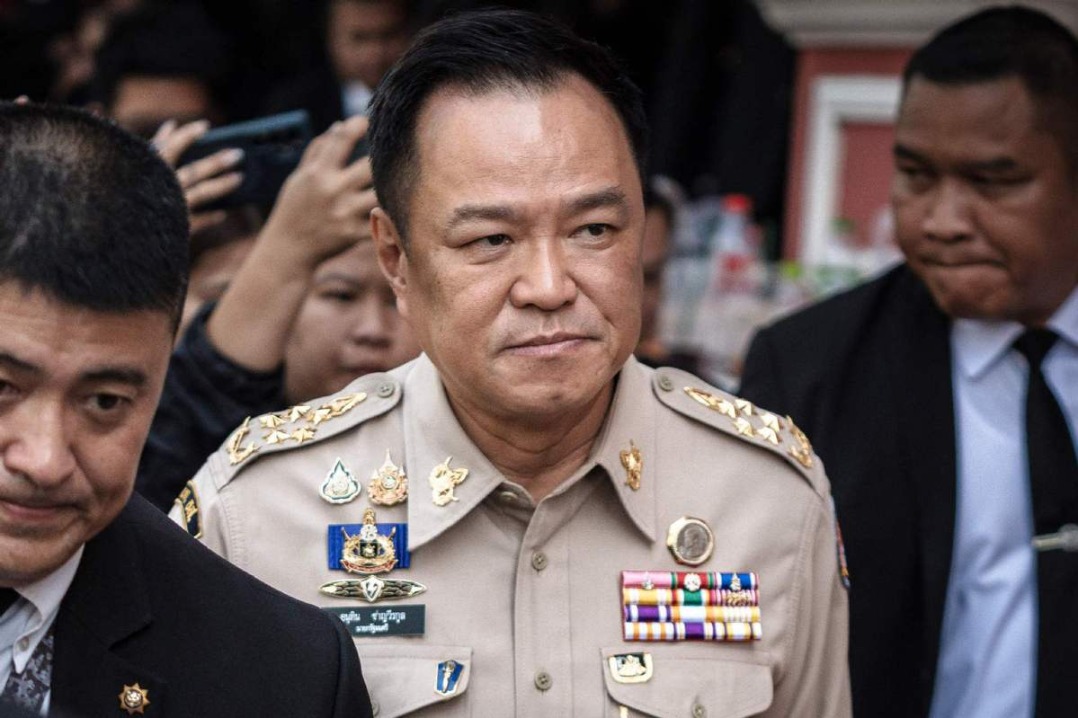
In a significant political development, Thai Prime Minister Anutin Charnvirakul has indicated plans to dissolve parliament and restore decision-making authority to the Thai electorate. The announcement came through an official social media communication on Thursday, where the premier declared his intention to “request to return power to the people.
The statement, widely interpreted by political observers as foreshadowing a parliamentary dissolution, suggests Thailand may be approaching a new electoral cycle. Such a move would typically precede the organization of general elections, allowing citizens to determine their political representation anew.
This development occurs within Thailand’s complex political landscape, where transitions of power have historically carried substantial significance. The Prime Minister’s carefully worded message aligns with constitutional protocols that grant the head of government authority to recommend parliamentary dissolution to the monarchy, a necessary step before elections can be scheduled.
Political analysts are now examining the potential timing and implications of this move, considering both domestic political dynamics and Thailand’s international relationships. The dissolution of parliament would trigger a formal election process, enabling Thai citizens to participate in shaping their nation’s political direction through democratic means.