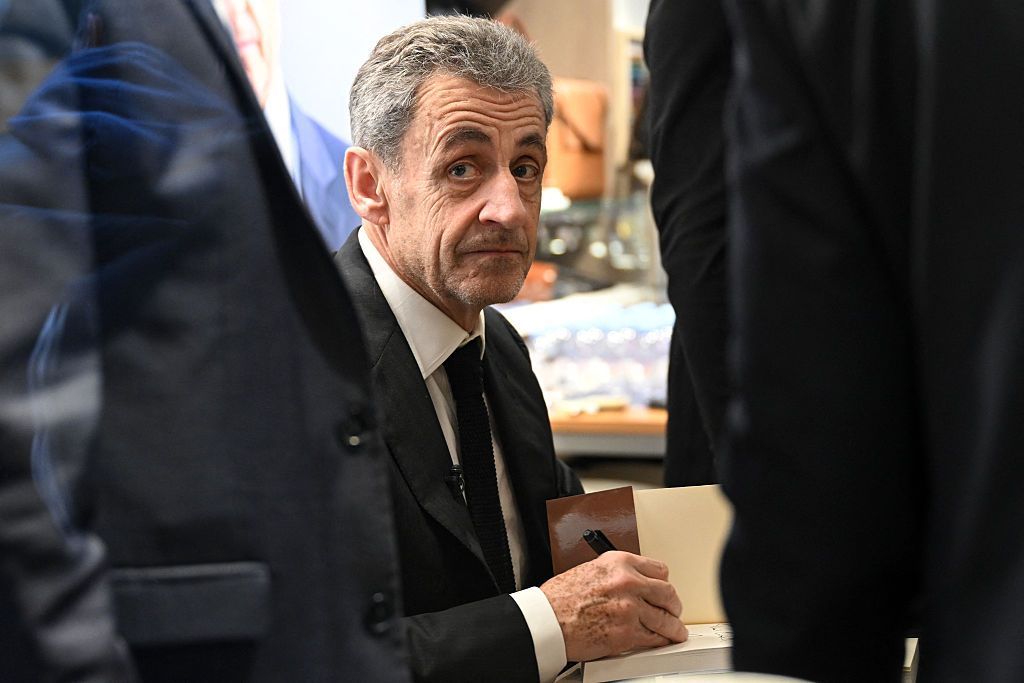
In a remarkably candid memoir penned just weeks after his release, former French President Nicolas Sarkozy offers unprecedented insights into his 20-day incarceration at Paris’s La Santé prison. “A Prisoner’s Diary,” spanning 216 pages, documents Sarkozy’s experience as inmate number 320535 while serving a five-year sentence for campaign finance conspiracy involving alleged Libyan funding during his 2007 presidential bid.
The memoir vividly describes Sarkozy’s 12-square-meter isolation cell, which he compares to a “bottom-of-the-range hotel” despite its reinforced door with guard eye-hole. The former head of state details his decision to forgo daily yard walks—which he deemed “more like a cage than a place of promenade”—opting instead for exercise on a running machine in what became his “veritable oasis.”
Beyond the physical descriptions, Sarkozy reveals touching moments: being kept awake by a fellow inmate singing Lion King songs, receiving overwhelming support through postcards covering his walls, and experiencing unexpected kindness from prison staff who consistently addressed him as “Président.”
The book transforms into political commentary as Sarkozy vehemently denies the charges, claiming victimhood in a “politically-motivated cabal” within France’s justice system. He draws striking parallels between his case and the historic Dreyfus affair, noting both involved “fake documents” and similar humiliations—including his dismissal from the Legion of Honor.
This dismissal becomes the platform for Sarkozy’s critique of current President Emmanuel Macron, whom he accuses of insincerity for not personally explaining the decision. More significantly, Sarkozy expresses unprecedented warmth toward former rival Marine Le Pen, praising her “brave and unambiguous” support following his conviction. He notably renounces future participation in any “Republican Front” against her National Rally party, arguing that excluding RN voters from the political mainstream constitutes a strategic error for the right.
The memoir, launched with substantial media attention at a Paris book signing, represents both personal catharsis and political repositioning, potentially reshaping alliances within French conservative politics as Sarkozy maintains considerable influence despite his legal troubles.