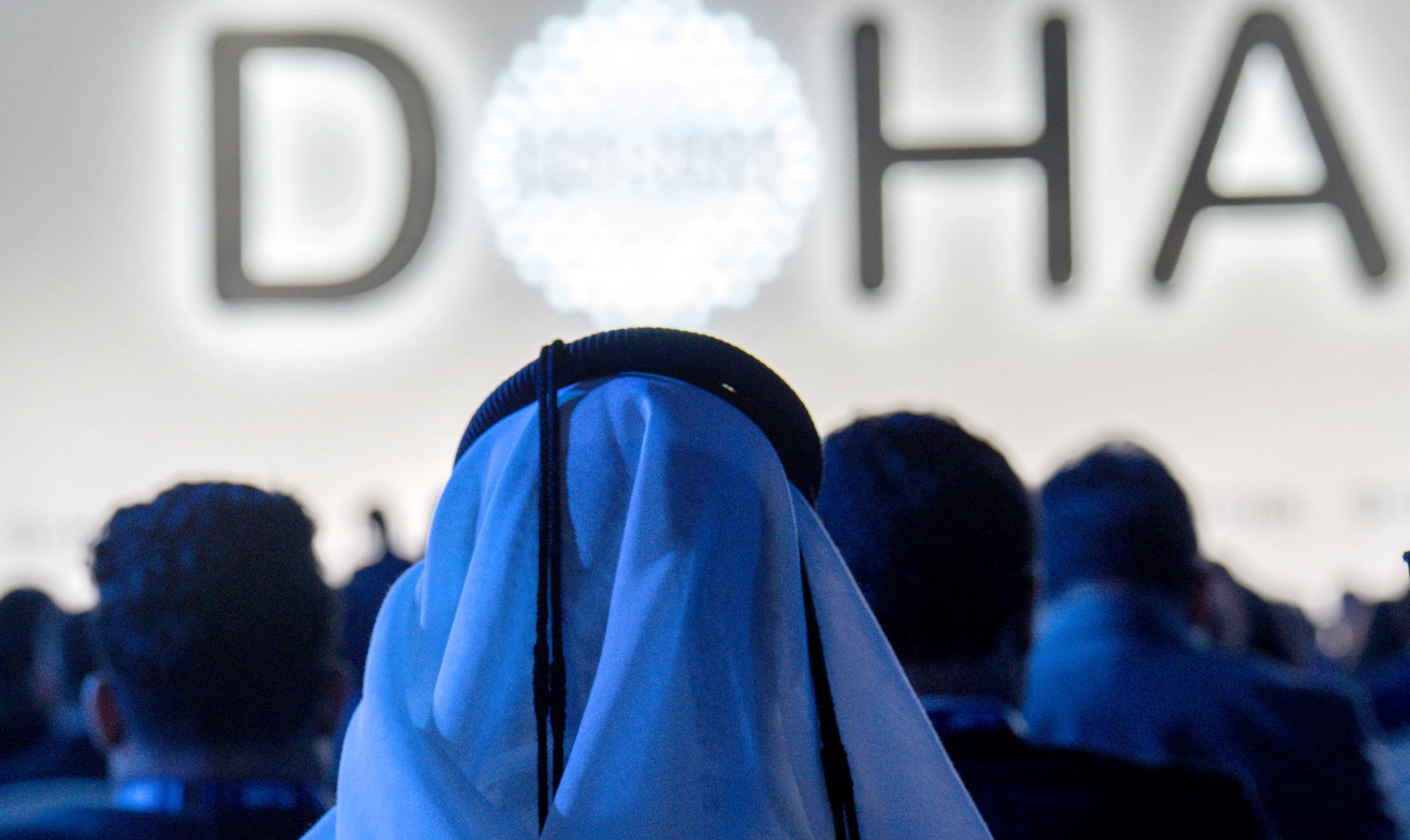
The recent Doha Forum became a stage for revealing the profound shifts in Middle Eastern geopolitics and America’s evolving role in the region. Syrian leader Ahmed al-Sharaa received an unexpectedly warm reception, highlighting his rehabilitated status, while prominent US figures sparked contentious debates on Gaza and regional security.
Mr. al-Sharaa’s appearance generated remarkable enthusiasm, with attendees rising to capture photos during his CNN interview. When questioned about past terrorist allegations, he deflected by referencing Israel’s actions in Gaza and Western military interventions, asserting that public perception of terrorism has become increasingly politicized. His confidence appeared bolstered by recent White House engagement, including his meeting with President Trump.
The Trump administration’s distinctive approach was articulated by several representatives. US Ambassador to Turkey Tom Barrack signaled a departure from previous democratic promotion efforts, comparing them to colonial mandates. He emphasized that Syria would determine its own future without Western-imposed timelines. This perspective was reinforced by Donald Trump Jr., who championed his father’s ‘America First’ doctrine, stating the US would no longer serve as the world’s financial backer but rather seek transactional partnerships, particularly with energy-rich Gulf states.
However, regional reactions to America’s retrenchment have been mixed. Saudi analyst Dr. Abdulaziz Alghashian expressed diminished expectations regarding US security guarantees, citing Washington’s muted response to 2019 Houthi attacks as prompting Riyadh to diversify alliances, including pursuing détente with Iran.
Significant policy divergences emerged regarding Palestine. While US delegates focused on expanding the Abraham Accords and Gaza reconstruction, Arab diplomats uniformly emphasized the necessity of Palestinian statehood as a precondition. Egypt’s Foreign Minister outlined ceasefire implementation requirements, while Turkey’s Hakan Fidan challenged Israel’s disarmament prerequisites. Both Qatar and Saudi Arabia explicitly conditioned reconstruction funding on a credible pathway to statehood—a proposition Israel’s government strongly opposes.
The forum also featured notable Western voices. Tucker Carlson, interviewing Qatar’s Prime Minister, denounced expectations that Qatar fund Gaza’s reconstruction while denying allegations of being a Qatari agent. Former Secretary Hillary Clinton defended her comments about young people consuming propaganda on TikTok regarding Gaza, asserting they lacked historical context while expressing anger about multiple global conflicts.
The evident disparities between US and regional priorities, particularly regarding Palestinian statehood and security commitments, suggest that while America First rhetoric has reached the Gulf, its practical implementation faces substantial resistance from partners seeking more reliable alliances and diplomatic solutions.