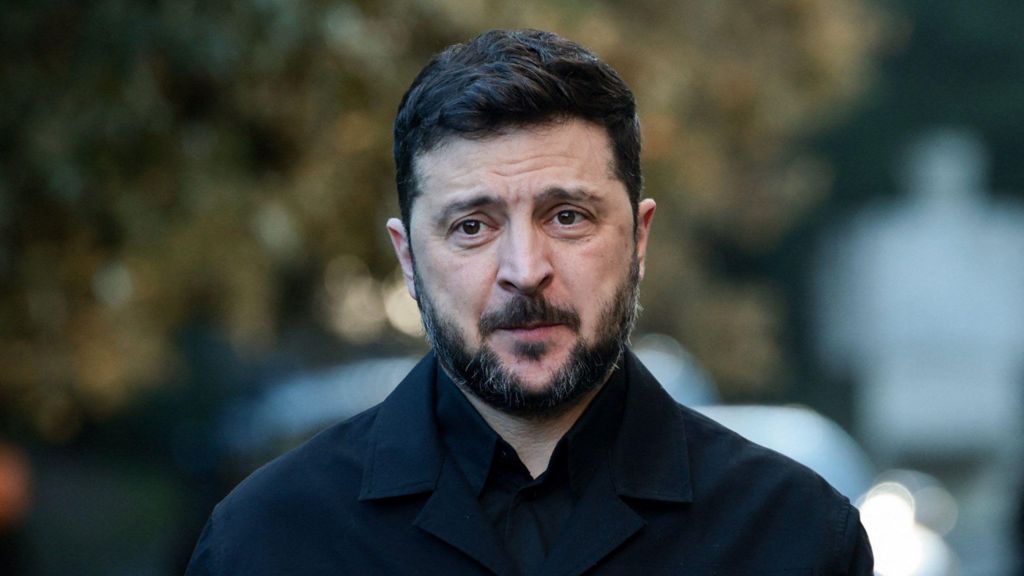
Ukrainian President Volodymyr Zelensky has forcefully responded to international pressure regarding presidential elections, declaring Ukraine’s readiness to conduct a democratic vote within 60-90 days provided adequate security guarantees from Western allies materialize. This statement comes as a direct rebuttal to claims by former US President Donald Trump that Kyiv exploits ongoing hostilities to avoid electoral accountability.
The constitutional dilemma stems from the suspension of normal electoral processes under martial law imposed after Russia’s full-scale invasion in 2022. While Zelensky’s five-year term technically concluded in May 2024, Ukrainian law prohibits elections during military emergency periods.
In detailed remarks to journalists following Trump’s Politico interview, Zelensky announced he would request legislative proposals to enable exceptional wartime elections. He emphasized that electoral decisions remain Ukraine’s sovereign prerogative, stating: ‘The issue of elections in Ukraine depends first and foremost on our people, not the people of other countries.’
The Ukrainian leader specifically addressed what he termed ‘completely unreasonable narratives’ suggesting his administration clings to power deliberately prolonging the conflict. These allegations mirror Kremlin propaganda positioning Zelensky as an illegitimate leader and demanding elections as a ceasefire precondition.
Practical implementation challenges remain formidable according to opposition lawmakers and policy experts. Lesia Vasylenko, an opposition parliamentarian, emphasized that true electoral fairness requires inclusive participation of all citizens—including frontline military personnel and the approximately four million refugees dispersed across Europe.
Security concerns present perhaps the most significant obstacle. Hanna Shelest of Ukrainian Prism think tank noted the impossibility of securing polling stations amid ongoing missile strikes and occupation of Ukrainian territory. Historical precedent also exists—Western democracies including Britain suspended elections during World War II.
Public sentiment appears to reinforce governmental caution. A March survey by the Kyiv International Institute of Sociology revealed 78% of Ukrainians oppose elections even after conflict resolution, prioritizing national unity over political processes during existential warfare.
The election discourse emerges as US-mediated peace negotiations continue, with Zelensky’s legitimacy becoming an unexpected bargaining point in diplomatic discussions.